

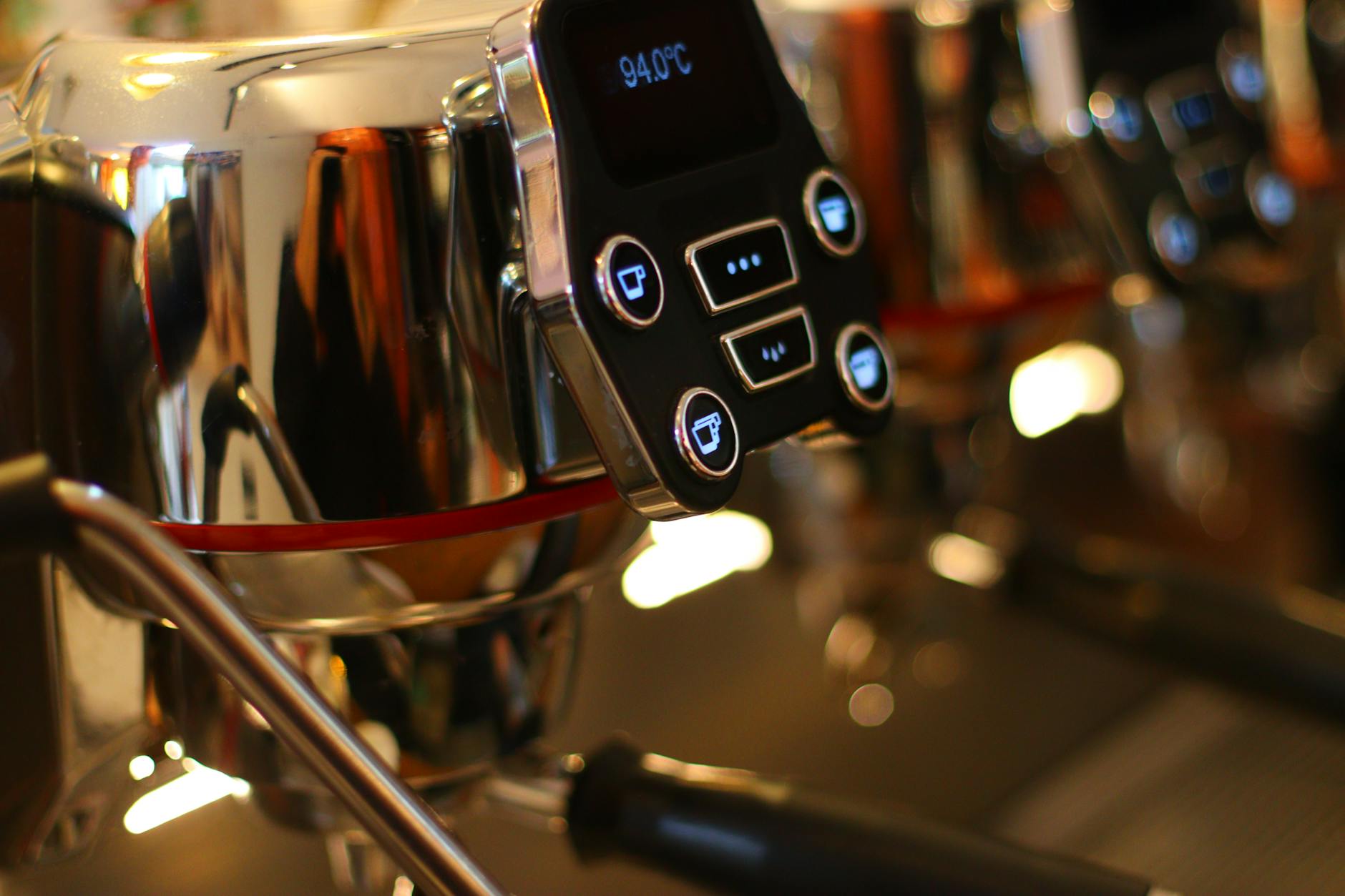
Why your espresso machine is leaking: Common causes and easy fixes
There’s nothing quite like the ritual of a morning espresso. But finding a mysterious puddle of water under your beloved machine can quickly ruin the moment. A leaking espresso machine is a common frustration for home baristas, but don’t panic. More often than not, the cause is a simple, fixable issue rather than a sign of a catastrophic failure. From worn-out seals to a simple loose connection, the problem is usually within your power to solve. This guide will walk you through the most common reasons your machine is leaking, helping you diagnose the source of the drip and get you back to pulling perfect shots without the mess. We’ll cover everything from easy DIY fixes to knowing when it’s time to call in a pro.
The first place to look: The group head gasket
If you see water leaking from around the portafilter handle while you’re brewing, the prime suspect is almost always the group head gasket. This is a round, rubber ring that creates a tight seal between the portafilter and the machine’s group head. It’s designed to withstand intense heat and pressure, but it doesn’t last forever. Over time, the rubber becomes hard, brittle, and cracked, losing its ability to seal properly.
Why it fails:
- Heat and pressure cycles: Constant expansion and contraction with each shot wears the rubber down.
- Coffee oil buildup: Old coffee grounds and oils can accumulate on the gasket, making it hard and less effective.
- Age: Like any rubber component, it simply degrades over time.
The fix is straightforward: replace the gasket. This is a common maintenance task that most owners can do at home. You’ll need to order the correct size gasket for your specific machine model. The replacement process typically involves removing the shower screen, prying out the old, hardened gasket with a small tool, cleaning the area thoroughly, and pressing the new, flexible gasket into place. Most experts recommend replacing your group head gasket every 6 to 12 months, depending on usage.
Checking your water lines, tank, and connections
If the leak isn’t coming from the group head, the next step is to investigate the path the water takes to get there. The leak could be originating from the back or bottom of the machine, which points toward issues with the water supply components. Start with the most accessible parts first.
The water tank: Carefully remove the water reservoir and inspect it for hairline cracks, especially around the base and the valve where it connects to the machine. A small crack can be difficult to see when the tank is in place but will slowly leak water onto your counter. If you find a crack, the only reliable solution is to replace the tank.
Internal hoses and fittings: Inside your machine, a network of plastic or braided steel hoses carries water from the tank to the pump and boiler. The constant vibration of the pump can sometimes cause the fittings at either end of these hoses to become loose. Furthermore, over many years, the plastic hoses can become brittle and crack. If you’re comfortable opening your machine’s casing (always unplug it first!), you can perform a visual inspection. Look for drips or white, chalky residue, which indicates a slow, evaporating leak.
Overflows and blockages in the drip tray
Sometimes a “leak” isn’t a leak at all, but an overflow. This is a common issue that often gets misdiagnosed as a more serious problem. Your espresso machine’s drip tray is designed to catch excess water from the three-way solenoid valve, which releases pressure after a shot is pulled. If water is pooling under the machine, your first check should be the drip tray itself.
First, ensure the drip tray isn’t simply full. It can fill up faster than you think. Second, check for cracks. Like the water tank, the plastic drip tray can develop cracks from being dropped or mishandled. A crack in the tray will cause a slow, steady leak onto the surface below.
Finally, check the drain line. The tube that directs water from the solenoid valve into the drip tray can become clogged with coffee grounds and scale buildup. If this line is blocked, the water will back up and spill out from inside the machine, often making it look like a serious internal leak. Cleaning this drain pathway with a pipe cleaner or a small brush can often resolve the issue entirely.
A quick troubleshooting guide
Finding the source of the leak is the hardest part. Once you know where the water is coming from, you can narrow down the potential cause. Use this table as a quick reference to help you diagnose the problem based on the location of the drip.
| Leak Location | Likely Cause | How to Fix | DIY Difficulty |
|---|---|---|---|
| Around the portafilter during brewing | Worn or dirty group head gasket | Clean or replace the gasket | Easy |
| From the back of the machine | Cracked water tank or loose inlet hose | Inspect and replace tank; tighten hose fitting | Easy to Moderate |
| Underneath the machine | Cracked drip tray or blocked internal drain line | Replace drip tray or clear the blockage | Easy |
| From an internal component (e.g., boiler fitting, pump) | Loose internal fitting, cracked hose, or failing valve/boiler | Tighten fitting or replace component. May require professional service. | Advanced |
While most leaks are minor, a constant drip from deep within the machine could signify a more serious issue with a boiler fitting or a safety valve. If you’ve checked all the common culprits and can’t find the source, or if the leak is significant and near electrical components, it’s safest to unplug the machine and consult a qualified repair technician.
A puddle under your espresso machine can be alarming, but it rarely signals the end of its life. By systematically checking the most common culprits, you can often solve the problem yourself. Start with the group head gasket, the hardest-working seal in your machine. From there, inspect your water tank, drip tray, and all visible hoses and connections for cracks or looseness. Most leaks are simply signs of normal wear and tear on replaceable parts. Regular cleaning and preventative maintenance, like periodic gasket changes, will go a long way in keeping your machine running smoothly and your countertops dry. Stay vigilant, address small drips before they become big problems, and enjoy your perfect espresso, leak-free.
 No products in the cart.