

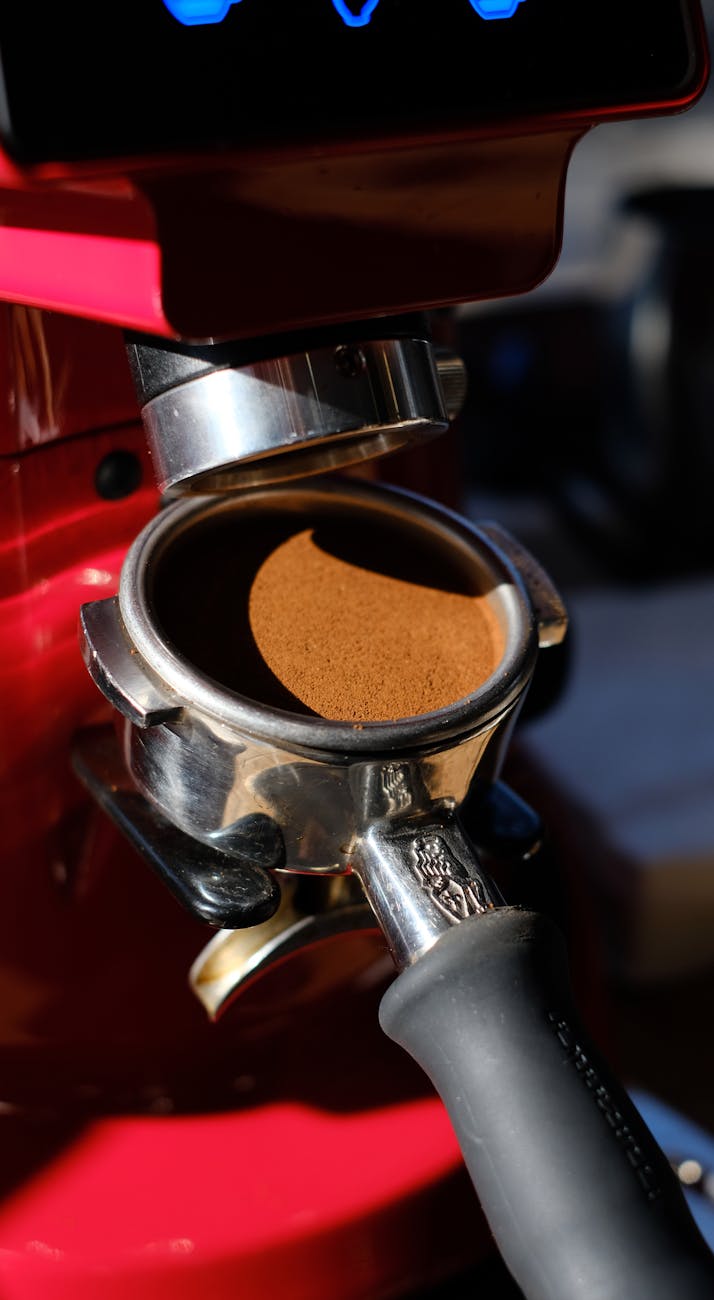
Does size matter? How filter baskets impact your espresso shot
For many aspiring home baristas, the journey to the perfect espresso shot is paved with variables like grind size, water temperature, and pressure. Yet, one of the most fundamental components is often overlooked: the filter basket. This small metal cup sitting inside your portafilter is far more than just a holder for your coffee grounds. It is the stage where the magic of extraction happens. The size and design of your basket directly dictate your dose, which in turn has a profound impact on how water interacts with the coffee, influencing everything from shot time to the final taste in your cup. Understanding this relationship is key to moving beyond inconsistent results and gaining true control over your espresso.
Understanding the filter basket and dose
At its core, the filter basket’s job is to hold a compacted puck of coffee grounds while allowing pressurized water to flow through it, extracting flavor. The most defining characteristic of any basket is its size, which is typically measured in the grams of coffee it’s designed to hold. This weight is what we refer to as the dose.
You’ll commonly encounter three main categories:
- Single baskets: Designed for a 7-10 gram dose, producing a traditional single espresso. They often have a tapered, funnel-like shape which can make even tamping a challenge.
- Double baskets: The most common standard, designed for doses between 14-20 grams. These are the workhorses for most home and commercial espresso machines, featuring straight or nearly straight sides for more even extraction.
- Triple baskets: Built for large doses, typically 20-22 grams or more. These are deeper and produce a more concentrated, larger shot, often used for “split” shots or for those who prefer a very strong espresso base in milk drinks.
The basket’s size determines the appropriate dose range. Overfilling a basket leaves no room for the coffee to swell when it gets wet, which can choke the machine or cause the puck to press against the shower screen, leading to uneven flow. Underfilling it creates excessive headspace (the gap between the tamped coffee and the shower screen), which can cause the water to disturb the puck’s surface, resulting in a soupy, poorly extracted shot.
How basket geometry influences extraction
Once you’ve chosen your basket and dose, you’ve effectively set the geometry of your coffee puck. The same 18-gram dose of coffee will form a much deeper puck in a 51mm portafilter basket than it will in a wider 58mm basket. This geometry is critical to how the water extracts flavor from the coffee.
Think of it this way: a deeper coffee bed offers more resistance to the water. This increased resistance means the water has a longer contact time as it travels through the grounds. If your puck preparation is perfect, this can lead to a rich, full-bodied extraction. However, a deeper puck is also more prone to channeling, where water finds a path of least resistance (like a crack) and rushes through, over-extracting that channel while leaving other parts of the puck under-extracted. This results in a shot that is simultaneously bitter and sour.
Conversely, a shallower puck (created by a smaller dose in the same basket) offers less resistance. The water passes through more quickly. To compensate and achieve a proper extraction time of 25-30 seconds, you must grind the coffee much finer. This can bring out more delicate, brighter flavors but also runs the risk of creating a thin, watery, and under-extracted shot if not dialed in perfectly.
Precision baskets: The next level of consistency
Not all filter baskets are created equal. The standard baskets that come with most espresso machines are functional, but they often have inconsistencies in their manufacturing. The holes might not be perfectly uniform in size or distribution, which can subtly encourage uneven water flow and channeling. This is where precision baskets come in.
Brands like VST, IMS, and Pullman have built their reputations on creating baskets with extremely tight manufacturing tolerances. The key features of a precision basket are:
- Uniform hole size and pattern: Every single hole is precisely drilled to the same diameter and distributed perfectly evenly across the bottom of the basket.
- Perfectly circular shape: This ensures a snug fit for precision tampers, minimizing the untamped ring of coffee around the edge of the puck.
The result is a more uniform and consistent flow of water through the entire coffee bed. This helps maximize extraction yield, allowing you to get more of the desirable sweet flavors out of your coffee while minimizing the risk of channeling. While they demand better puck preparation (any flaws in your distribution or tamping will be more obvious), the reward is a higher potential for shot-to-shot consistency and a truly exceptional taste.
Choosing and dialing in your basket
So, how do you put this all into practice? Choosing the right basket starts with your goal. If you primarily drink lattes and cappuccinos, a larger 18g or 20g double basket will give you a strong espresso base that cuts through milk. If you prefer straight espresso, a 15g or 18g basket might offer more clarity and nuance.
Once you’ve chosen your basket, the process of dialing in begins. Use the basket’s rated size as your starting point. For an 18-gram basket, start with an 18-gram dose. Your goal is to adjust your grind size to achieve a desired brew ratio in a reasonable amount of time. A common starting point is a 1:2 ratio (e.g., 18g of coffee in, 36g of liquid espresso out) in about 25-30 seconds.
From there, taste is your guide.
- Sour or thin? Your shot is likely under-extracted. Grind finer to increase contact time.
- Bitter or harsh? Your shot is likely over-extracted. Grind coarser to shorten contact time.
You can also make small adjustments to your dose within the basket’s recommended range (e.g., ± 1 gram). A slightly larger dose can increase sweetness and body, while a slightly smaller dose can increase clarity. Each change in dose will require a corresponding change in grind size to maintain your target shot time.
| Basket Type | Common Dose Range | Typical Target Yield (1:2 Ratio) | Best For |
|---|---|---|---|
| Single Basket | 7g – 10g | 14g – 20g | Traditional single espresso, dialing in. |
| Double Basket | 14g – 20g | 28g – 40g | All-purpose, straight espresso, milk drinks. |
| Triple Basket | 20g – 22g+ | 40g – 44g+ | Large milk drinks, split shots. |
The filter basket is far from a simple component; it is the foundation of your espresso recipe. It sets the boundaries for your dose, which in turn defines the physical shape of your coffee puck and fundamentally alters the dynamics of extraction. By understanding how basket size, dose, and puck geometry are interconnected, you move from simply following a recipe to making informed decisions. Choosing the right basket for your desired taste profile and learning to dial in your dose within that basket’s range are essential skills. Whether you stick with a stock basket or upgrade to a precision model, paying close attention to this crucial piece of equipment is a non-negotiable step toward mastering the art of espresso.

 No products in the cart.