

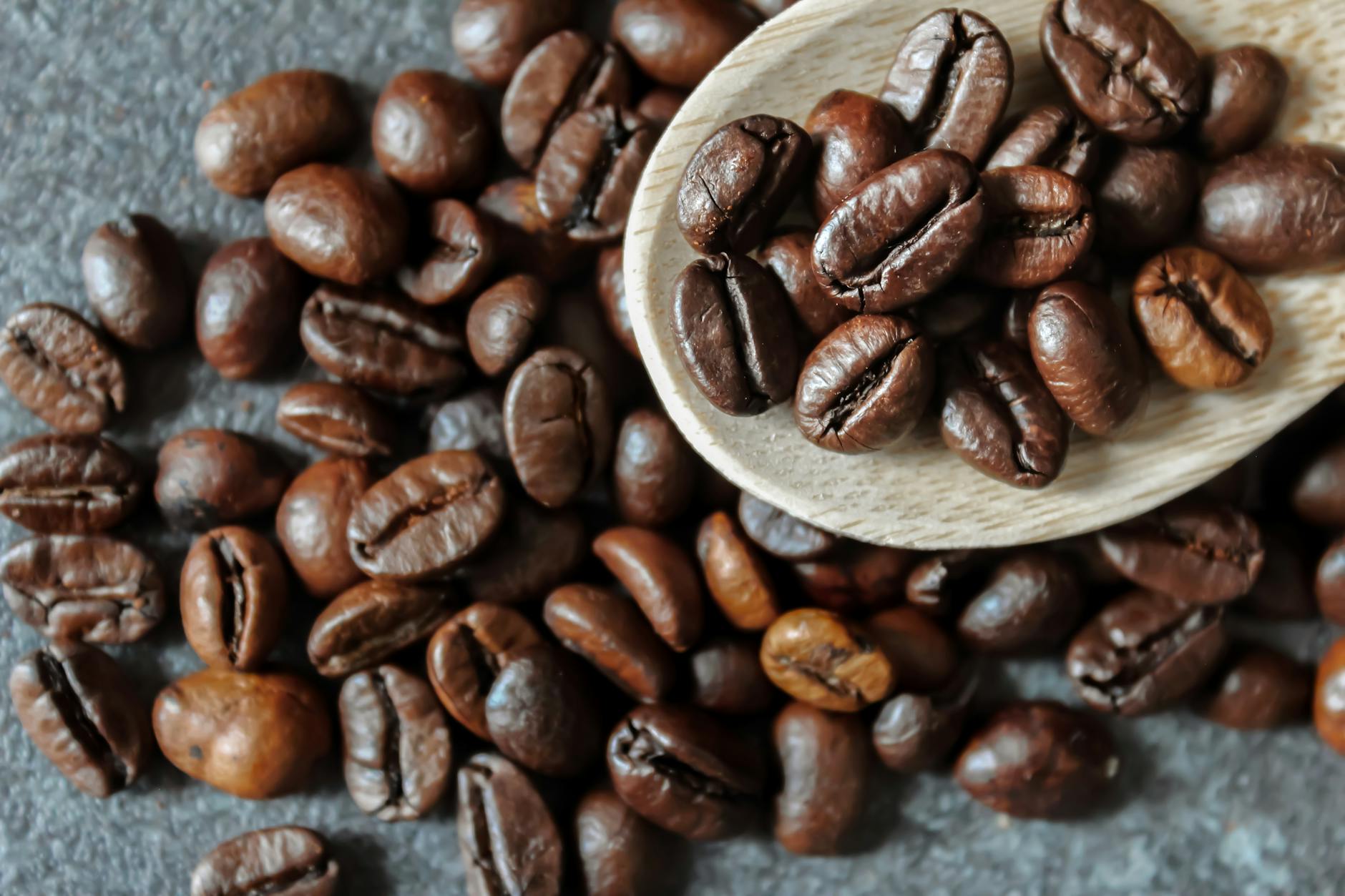
Welcome to the vibrant, complex, and often challenging world of light roast espresso. For home baristas accustomed to the chocolatey, syrupy shots from medium or dark roasts, venturing into light roasts can feel like learning a whole new language. These beans promise a symphony of bright, acidic, and floral notes, but often deliver a frustratingly sour or weak cup. Why the difficulty? Light roast beans are physically different; they are harder, less porous, and less soluble than their darker counterparts. This means your standard espresso recipe simply won’t work. This guide is your roadmap to navigating the nuances of light roasts, transforming potential frustration into the most aromatic and flavorful espresso you’ve ever made at home.
Understanding the challenge of light roasts
Before we can fix a problem, we need to understand its source. The difficulty with light roast espresso isn’t about your skill, but about the physics and chemistry of the bean itself. During the roasting process, coffee beans undergo thousands of chemical changes. They become more brittle, porous, and soluble as the roast progresses. Light roasts are stopped early in this process, preserving more of the coffee’s original character but leaving the bean in a much denser, less developed state.
This creates a twofold challenge for extraction:
- Density and hardness: A light roast bean is physically harder than a dark roast bean. This makes it more difficult for your grinder to produce a uniform grind size. It also means water has a harder time penetrating the coffee grounds to extract flavor compounds. This resistance is a primary cause of under-extraction, which tastes unpleasantly sour.
- Lower solubility: The desirable flavor compounds in a light roast are simply less willing to dissolve in water compared to those in a darker roast. To achieve a balanced and sweet extraction, you need to give the water more help. This means we must manipulate our brewing variables—like temperature, time, and pressure—to increase solubility and pull those delicate flavors out of the grounds.
Essentially, every step of your espresso preparation needs to be adjusted to overcome these two fundamental properties. Simply grinding finer isn’t enough; it’s about creating an entire system that favors a higher, more even extraction.
Your toolkit for success: gear and preparation
Taming a light roast requires the right tools for the job. While you don’t need the most expensive commercial-grade equipment, certain pieces of gear are non-negotiable for overcoming the physical challenges of these dense beans. Your success hinges on consistency and control.
The grinder is king. If there is one place to invest, it’s your grinder. For light roasts, you need a high-quality burr grinder capable of producing a very fine and, most importantly, consistent grind. Inconsistency in grind size, with a mix of large “boulders” and tiny “fines,” is a recipe for disaster. Water will rush through the paths created by the boulders (channeling) while over-extracting the fines, resulting in a shot that is simultaneously sour and bitter. Look for grinders with large flat burrs or high-quality conical burrs and stepless or micro-stepped adjustment for pinpoint accuracy.
Beyond the grinder, your setup should include:
- An espresso machine with stable temperature: Because light roasts require more heat energy for proper extraction, temperature stability is key. A machine with a PID (Proportional-Integral-Derivative) controller allows you to set and maintain a specific temperature, giving you a crucial variable to control.
- A bottomless portafilter: This is an invaluable diagnostic tool. It allows you to see your extraction in real-time. You can easily spot channeling and other issues that would be hidden by a spouted portafilter.
- Puck preparation tools: These are not just for show. A WDT (Weiss Distribution Technique) tool, which is essentially a set of fine needles, is critical for breaking up clumps and evenly distributing the grounds. A calibrated tamper ensures you apply consistent and level pressure every time. Finally, a precision filter basket (from brands like VST or IMS) has more uniformly sized and spaced holes, promoting a more even flow of water through the puck.
Dialing in: a new recipe for brighter coffee
The classic espresso recipe you’ve probably heard—a 1:2 ratio (e.g., 18g in, 36g out) in 25-30 seconds—is designed for medium to dark roasts. If you apply this to a light roast, you’ll almost certainly get a sour, under-extracted shot. We need a new approach designed to maximize solubility and contact time.
Our new recipe will manipulate three key variables: ratio, temperature, and time. The goal is to push extraction further to get past the sourness and into the sweetness.
1. Use a longer ratio. Instead of a 1:2, start with a 1:2.5 or even a 1:3 ratio. For an 18g dose, that means aiming for a liquid yield of 45g to 54g. This longer pour allows more water to pass through the coffee, giving it more opportunity to extract those less soluble flavor compounds.
2. Increase the brew temperature. Heat increases the rate of extraction. While a medium roast might taste great at 92°C (198°F), a light roast often needs a boost. Start with your machine set to 94-96°C (201-205°F). This extra thermal energy will help break down the compounds and extract sweetness.
3. Aim for a longer shot time. Because we’re using a finer grind and a higher ratio, the total shot time will naturally be longer. Don’t be afraid of shots that run for 35, 40, or even 45 seconds. Time is an output, not an input. It’s a result of your other variables. The final taste is what matters, not the number on the stopwatch.
A practical example of dialing in
Let’s say you have an 18g dose. Here’s how you might approach it:
| Step | Action | Target | Taste & Next Step |
|---|---|---|---|
| 1 | Set dose, ratio, and temp. | 18g in, 45g out (1:2.5 ratio). Temp at 95°C. | Shot runs in 25 seconds. Tastes very sour. Action: Grind much finer. |
| 2 | Adjust grind. Keep other variables the same. | 18g in, 45g out. Temp at 95°C. | Shot runs in 40 seconds. Tastes sweet, but a little thin with a lingering sour finish. Action: Increase ratio to extract more. |
| 3 | Adjust ratio. Keep other variables the same. | 18g in, 50g out (1:2.8 ratio). Temp at 95°C. | Shot runs in 45 seconds. Tastes balanced, sweet, with bright acidity and no unpleasant sourness. This is the one! |
Remember, always change only one variable at a time, and let your taste buds be the ultimate guide.
Elevate your espresso with advanced techniques
Once you’ve mastered the basic recipe adjustments, you can introduce more advanced techniques to further improve the consistency and quality of your light roast espresso. These methods are focused on ensuring the coffee puck is perfectly and evenly saturated before and during extraction, which is the key to preventing channeling with very fine grinds.
Mastering pre-infusion. Pre-infusion is the process of gently wetting the coffee puck with low-pressure water before ramping up to the full 9 bars of pressure. For light roasts, this step is invaluable. It allows the dense, tightly packed grounds to become fully saturated, swelling and settling into a stable structure. This drastically reduces the likelihood of water finding a weak spot and creating a channel. If your machine allows it, experiment with long pre-infusion times, perhaps 8-12 seconds, until you see the first drops of espresso form. This single technique can transform a good shot into a great one.
Experimenting with pressure profiling. For those with machines capable of controlling pressure throughout the shot, you have a powerful tool. A common pressure profile for light roasts involves a long, low-pressure pre-infusion (around 3-4 bars), a gentle ramp up to a lower peak pressure (perhaps 7-8 bars instead of the traditional 9), and then a gradual decline in pressure towards the end of the shot. Lowering the peak pressure is gentler on the delicate puck structure, while tapering off the pressure at the end can reduce the chance of extracting bitter compounds as the puck begins to degrade.
Considering your water. Finally, don’t overlook the main ingredient in your coffee: water. Using distilled or overly filtered water will result in a flat, lifeless cup, as some mineral content is necessary for flavor extraction. Conversely, very hard tap water can mute acidity and cause scale buildup in your machine. For the best results, use filtered water with a specific mineral content (often measured in parts per million, or PPM) that is ideal for coffee brewing. This final step can be the difference that makes those delicate floral and fruity notes truly sing.
The journey to mastering light roast espresso at home is one of patience, precision, and a willingness to unlearn old habits. It requires a shift in mindset, moving away from rigid, traditional recipes toward a more flexible, taste-driven approach. By understanding the inherent challenges of these dense, less soluble beans and equipping yourself with the right tools and techniques, you can overcome the initial hurdles. Remember to start with a quality grinder, embrace longer ratios and higher temperatures, and perfect your puck preparation. Advanced methods like pre-infusion can then take your shots to the next level. The reward for your effort is truly exceptional: a cup of espresso that is vibrant, sweet, and bursting with the unique, origin-specific flavors that make light roasts so special.

 No products in the cart.