

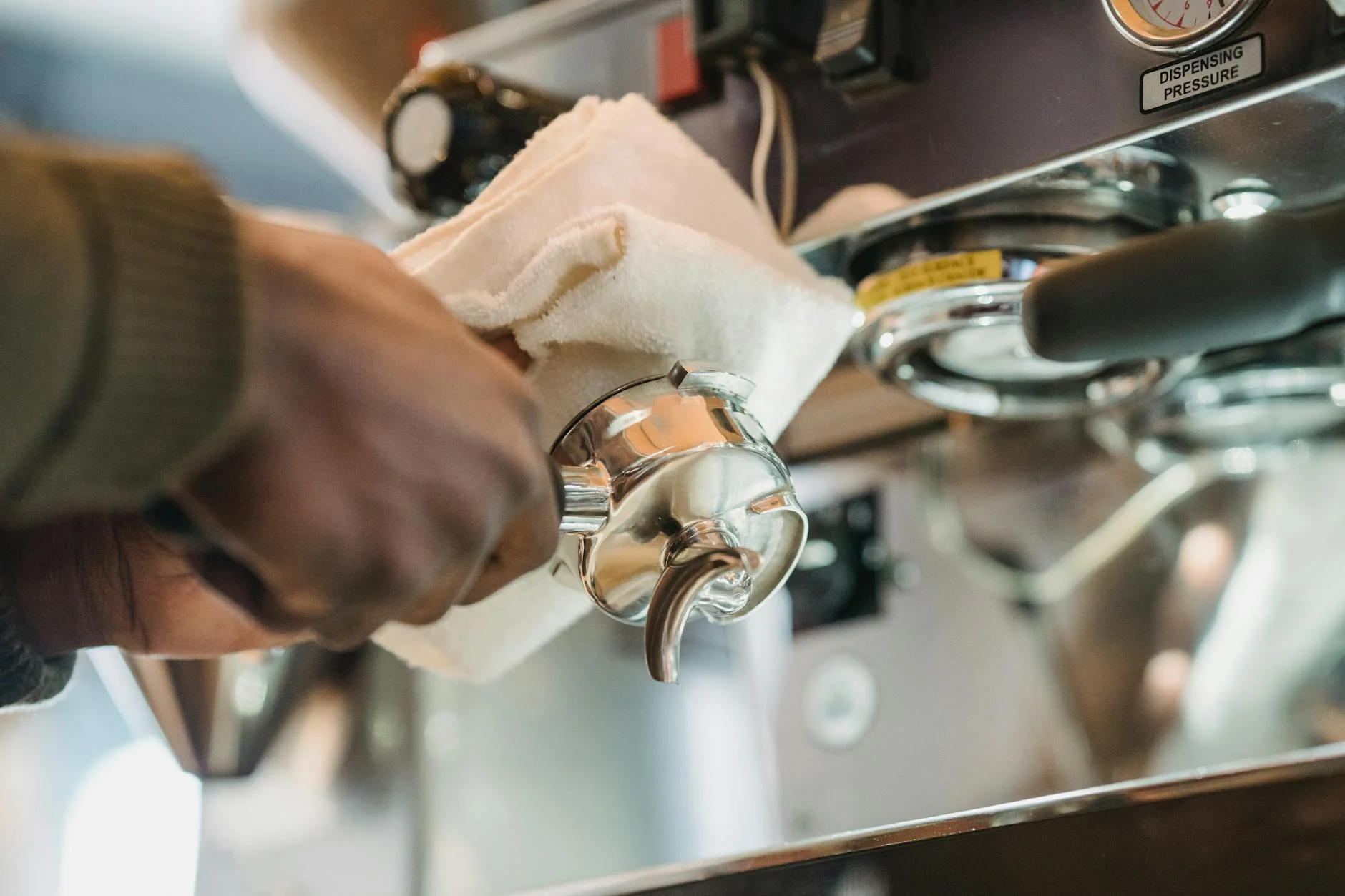
How to clean an espresso machine group head for better tasting coffee
That perfect shot of espresso—rich, aromatic, and crowned with a beautiful crema—is the goal of every home barista. But what happens when your coffee starts tasting bitter, burnt, or just plain off? Before you blame the beans or your grind size, the culprit is often hiding in plain sight: a dirty group head. This essential component of your espresso machine is where hot water meets your coffee grounds, and it’s a magnet for old oils and fine particles. Neglecting it is the fastest way to ruin a good cup. This guide will walk you through everything you need to know about cleaning your group head, transforming your daily brew from disappointing to delicious. It’s a simple process that makes a world of difference.
Why a clean group head is non-negotiable
The group head is the heart of your espresso machine’s brewing process. It’s a complex assembly designed to deliver hot water at a stable temperature and high pressure onto the puck of coffee in your portafilter. During every extraction, two things are left behind: microscopic coffee grounds and coffee oils. While the grounds can be easily rinsed away, the oils are stickier. Over time, these oils build up and turn rancid, imparting a foul, bitter, and acrid taste to every subsequent shot you pull. This buildup can also clog the tiny holes in your shower screen, leading to uneven water distribution and channeling, which results in a poorly extracted, unbalanced shot. In short, a dirty group head doesn’t just make your coffee taste bad; it prevents your machine from performing as it should.
The essential tools for the job
Before you can start scrubbing, you need to assemble the right toolkit. Having these items on hand makes the cleaning process quick and efficient. You wouldn’t try to fix a car without a wrench, and you shouldn’t try to clean your machine without the proper gear. Here’s what you’ll need:
- Blind basket: This is a portafilter basket with no holes. It’s essential for backflushing, as it allows pressure to build up and force cleaning solution back through the group head.
- Group head brush: This specially designed brush has an angled head and stiff bristles, perfect for scrubbing the shower screen and the inside of the group without burning your hands.
- Espresso machine cleaner: Look for a powder or tablet specifically formulated to dissolve coffee oils, such as products from brands like Cafiza or Urnex. Do not use dish soap, as it can leave residue and damage your machine.
- Microfiber cloths: You’ll need a few clean cloths for wiping down the group head, gasket, and portafilter.
- A small screwdriver or Allen key: This is needed for the less frequent deep clean to remove your shower screen. Check your machine’s manual to see what type of tool you need.
Your weekly and monthly cleaning ritual
Consistency is key to maintaining a clean machine and brewing great coffee. Your cleaning routine can be broken down into two main parts: the weekly backflush and the more intensive monthly deep clean. The weekly clean tackles the fresh buildup, while the monthly clean gets into the areas that are harder to reach.
The weekly backflush with a cleaner:
- Insert your blind basket into your portafilter. Add about half a teaspoon of espresso machine cleaning powder.
- Lock the portafilter into the group head, just as you would to pull a shot.
- Run the brew cycle for about 10 seconds. You will hear the pump strain as pressure builds.
- Stop the cycle. The pressure will release through the three-way solenoid valve, discharging foamy, brownish water into the drip tray. This is the cleaner doing its job, flushing out the rancid oils.
- Repeat this cycle 4-5 times.
- Remove the portafilter and rinse it and the blind basket thoroughly.
- Lock the clean portafilter back into the machine and repeat the 10-second cycle with just water 5-10 times to completely rinse any residual cleaner from the system.
This simple process, done once a week, is the single most effective thing you can do to improve the taste of your coffee.
The deep clean: removing the shower screen
Once a month, it’s a good idea to perform a deeper clean. This involves removing the shower screen and dispersion block to scrub away any stubborn buildup that backflushing can’t reach. First, ensure your machine is off and has cooled down. Use your screwdriver to remove the central screw holding the shower screen in place. The screen and possibly a metal dispersion plate will come loose.
Soak these parts in a solution of hot water and espresso machine cleaner for about 30 minutes. While they soak, take your group head brush and thoroughly scrub the inside of the group head, paying special attention to the rubber gasket. After soaking, use a brush to scrub the shower screen and dispersion plate until they are sparkling clean, ensuring all the little holes are clear. Rinse them with fresh water, wipe everything dry, and carefully reassemble. This deeper clean ensures your water flow is even and unobstructed for a perfect extraction.
| Task | Frequency | Purpose |
|---|---|---|
| Water Flush and Wipe Gasket | After every session | Removes fresh coffee grounds and surface oils. |
| Backflush (Water Only) | Daily | Rinses the three-way solenoid valve and internal paths. |
| Backflush (with Cleaner) | Weekly | Dissolves built-up, rancid coffee oils from deep inside. |
| Deep Clean (Screen and Gasket) | Monthly | Removes stubborn grounds and oils from hidden areas. |
A clean espresso machine is the foundation of exceptional coffee. As we’ve seen, the group head is a critical area that requires regular attention to prevent the buildup of rancid oils and old grounds that sabotage the flavor of your brew. By incorporating a simple daily rinse, a weekly backflush with a proper cleaner, and a more thorough monthly deep clean, you take control over the quality of your espresso. This isn’t a tedious chore; it’s a small investment of time that pays huge dividends in taste. Making this routine a habit will not only lead to consistently better-tasting coffee but will also extend the life of your machine, ensuring you can enjoy delicious, cafe-quality espresso at home for years to come.

 No products in the cart.