

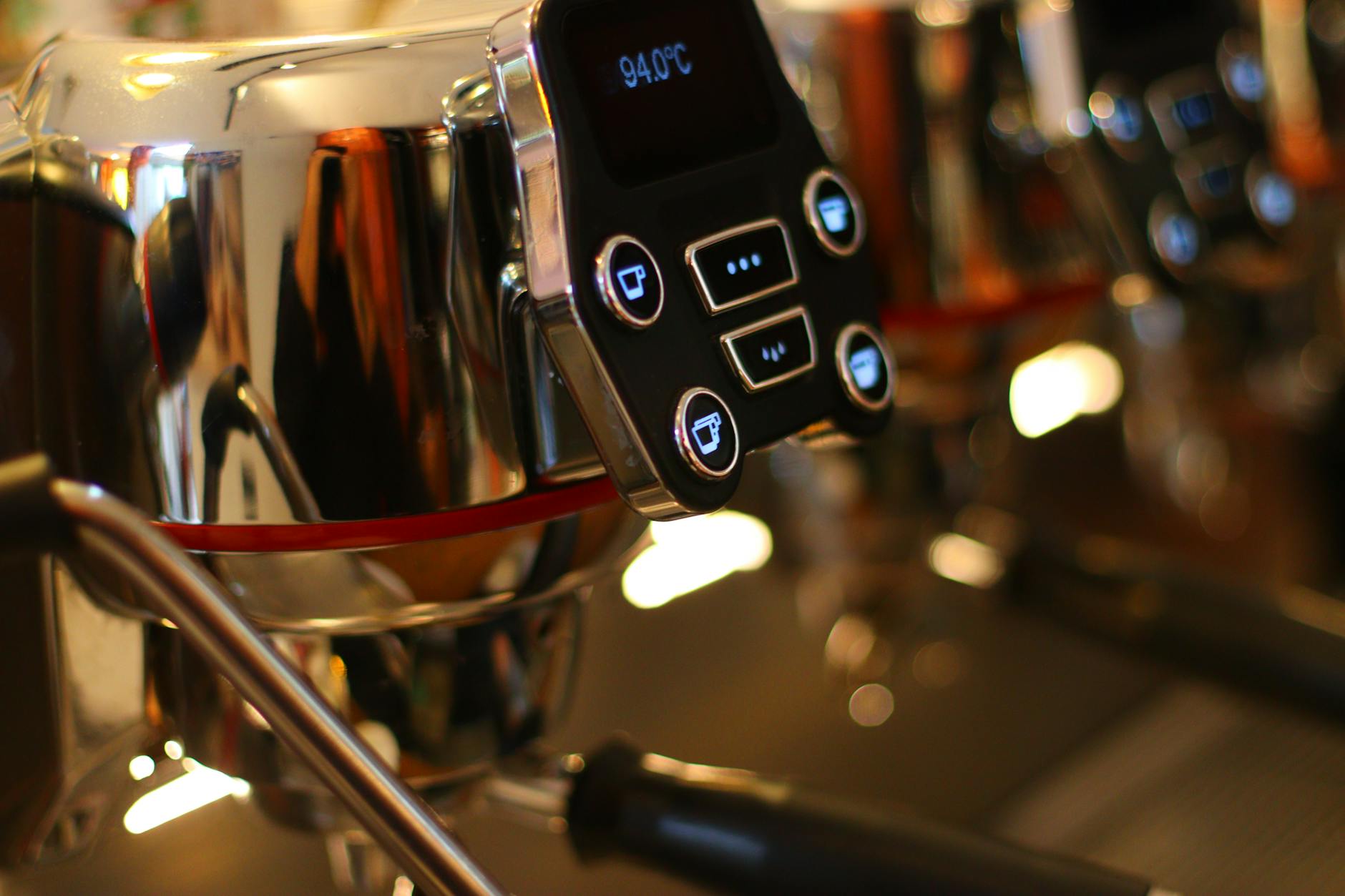
Mastering espresso: Why water temperature is your most crucial variable
The quest for the perfect espresso shot is a journey filled with variables. Baristas and home enthusiasts meticulously weigh their coffee dose, dial in their grind size, and time their extraction to the second, all in pursuit of that elusive, balanced “god shot.” Yet, among these critical factors, one is often misunderstood or overlooked: the temperature of the water. Water is the solvent that unlocks all the flavor locked inside your coffee beans, and its temperature is the key that determines which flavors are released. This article will delve into the science of espresso extraction, exploring how water temperature is not just a setting on your machine, but a powerful tool you can use to manipulate flavor and master your brew.
The science of solubility and temperature
At its core, brewing coffee is a chemical process of extraction. You are using water to dissolve soluble flavor compounds from ground coffee. Water temperature acts as a powerful catalyst in this process. Think of it like dissolving sugar in tea; it dissolves much faster in hot tea than in iced tea. The same principle applies to espresso. Hotter water has more energy, causing it to dissolve the coffee solids more quickly and efficiently.
Coffee beans contain hundreds of different soluble compounds, each contributing to the final taste and aroma. These can be grouped into several categories:
- Acids: These are extracted relatively easily and early in the process. They contribute brightness and fruity notes.
- Sugars: These dissolve a bit more slowly than acids and are responsible for the sweetness and caramel notes that balance the shot.
- Oils and Lipids: These are crucial for the espresso’s body, mouthfeel, and the formation of a rich, stable crema.
- Bitter Compounds: Compounds like caffeine and melanoidins (a byproduct of roasting) extract more slowly and contribute to bitterness and depth.
The crucial takeaway is that these compounds extract at different rates and are affected differently by temperature. This is why a small change of just one or two degrees can dramatically shift the balance of your espresso shot, moving it from sour to sweet to bitter.
Finding the sweet spot: Under-extraction vs. over-extraction
Understanding that different compounds extract at different rates leads directly to the two most common espresso faults: under-extraction and over-extraction. Water temperature is a primary driver of both.
If your water is too cold, it lacks the energy to properly dissolve the desirable sugars and oils. The extraction will be inefficient, pulling out the fast-extracting, sour-tasting acids without the sweetness to balance them. This results in an under-extracted shot. The tell-tale signs are:
- A predominantly sour or salty taste.
- A thin, weak body and a pale, bubbly crema.
- A quick, gushing shot time (often called a “gusher”).
- A flavor that feels “undeveloped” or grassy.
Conversely, if your water is too hot, it extracts everything far too aggressively. It will dissolve all the acids and sugars very quickly and then move on to pulling out an excessive amount of the more bitter, astringent compounds from the coffee grounds. This results in an over-extracted shot. You’ll know it by:
- An overwhelmingly bitter, dry, or ashy taste.
- A lack of any sweetness or pleasant acidity.
- A dark but thin crema that dissipates quickly.
- A flavor that can be described as “hollow” or burnt.
The “sweet spot” is the temperature that achieves a balanced extraction, where you have extracted just enough of the sugars and oils to balance the initial acidity, without pulling out too many of the bitter elements. This is where the magic happens, revealing the true, complex character of the coffee.
How roast level dictates your ideal temperature
There is no single “perfect” temperature for all coffee. The ideal brewing temperature is intrinsically linked to the roast level of the beans you are using. This is because the roasting process fundamentally changes the physical structure and solubility of the coffee bean.
Light roasts are roasted for a shorter time. The beans are denser, harder, and less porous. This means they are less soluble, and it’s harder for water to penetrate and extract the flavor compounds. To compensate for this, you need to use a higher water temperature (typically 92-96°C or 198-205°F). This extra thermal energy helps to properly extract their delicate floral and bright, fruity notes, preventing a shot that tastes sour and underdeveloped.
Dark roasts are roasted for longer, making them more brittle, porous, and far more soluble. Using a high temperature on a dark roast would result in rapid over-extraction, pulling out harsh, smoky, and bitter flavors. To prevent this, you should use a lower water temperature (typically 88-92°C or 190-198°F). This gentler approach allows you to extract the rich, chocolatey, and caramel notes without the accompanying ashy bitterness.
Here is a general guide to help you get started:
| Roast level | Recommended temperature range | Target flavor profile |
|---|---|---|
| Light | 92°C – 96°C (198°F – 205°F) | Bright acidity, fruity, floral, complex |
| Medium | 90°C – 94°C (194°F – 201°F) | Balanced sweetness, caramel, chocolate |
| Dark | 88°C – 92°C (190°F – 198°F) | Rich, low acidity, dark chocolate, smoky |
Tools and techniques for temperature control
Controlling water temperature requires understanding your equipment. Different types of espresso machines offer varying levels of stability and control.
Machines with single boilers or thermoblocks are common in entry-level setups. They often experience wide temperature swings. To manage this, baristas use a technique called “temperature surfing,” which involves running a water flush through the group head to either cool it down or bring it up to brewing temperature before pulling a shot.
Heat exchanger (HX) machines offer better stability but still require a “cooling flush.” Because the water in the exchanger can become superheated, you must purge some water before brewing to bring the temperature down to the desired range.
The gold standard for temperature control is a machine with a dual boiler and a PID controller. A dual boiler machine has separate boilers for brewing and steaming, ensuring the brew water temperature remains extremely stable. A PID (Proportional-Integral-Derivative) controller is essentially a smart digital thermostat. It constantly monitors the boiler temperature and makes tiny adjustments to the heating element to keep the water within a fraction of a degree of your set target. This gives you precise, repeatable control over your most important variable.
Conclusion
Water temperature is far more than a minor detail in the espresso-making process; it is a fundamental pillar of extraction. It acts as the primary dial for controlling which flavor compounds are dissolved from your coffee grounds and in what proportion. As we’ve explored, a lower temperature can tame a dark roast’s bitterness, while a higher temperature can unlock a light roast’s vibrant acidity. Understanding this relationship moves you beyond simply following a recipe and empowers you to actively diagnose your shots and make targeted adjustments. By learning to wield temperature as a tool, you can fine-tune every extraction, adapt to any coffee bean, and take a definitive step toward consistently pulling truly exceptional espresso shots right in your own kitchen.
 No products in the cart.