

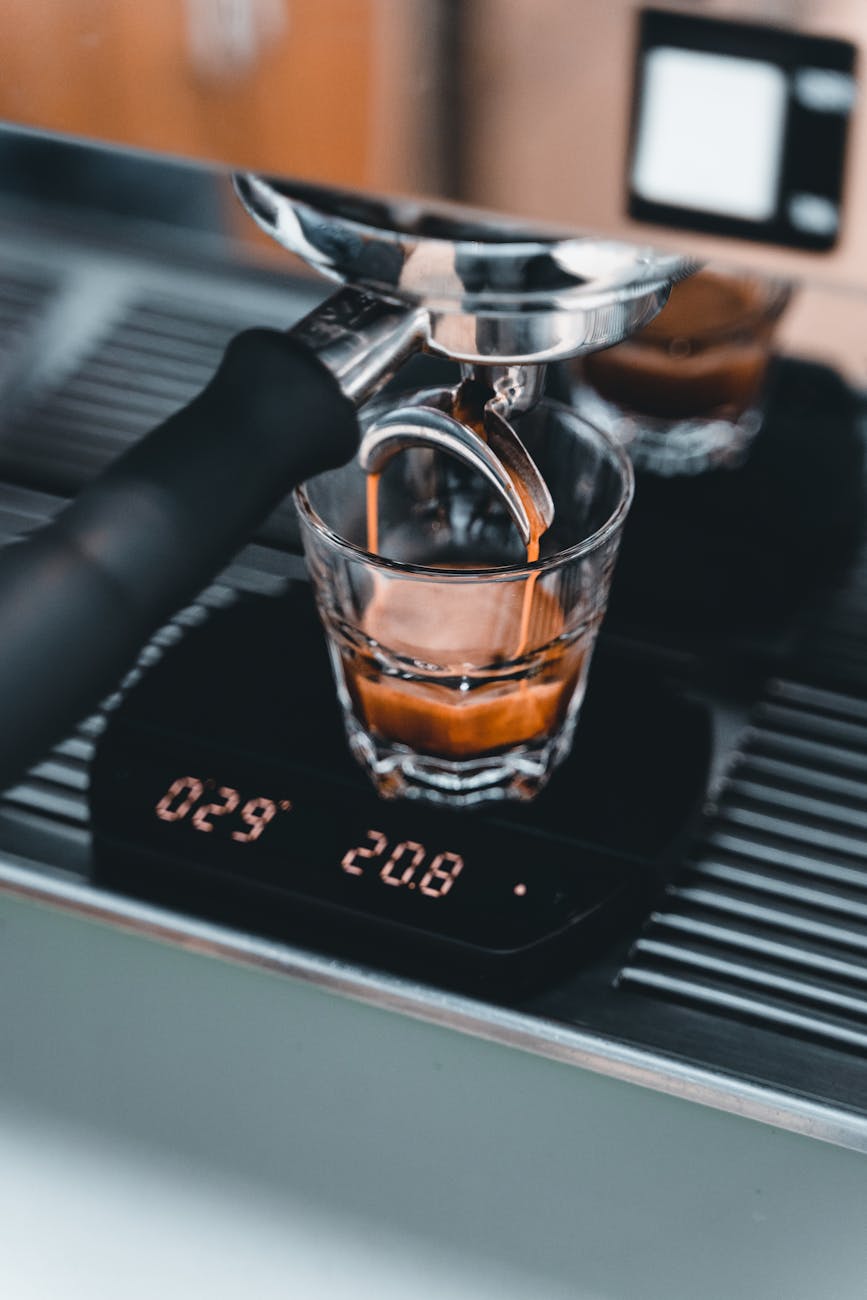
Why your espresso tastes sour: Troubleshooting under-extraction issues
There’s nothing more disappointing than the anticipation of a rich, syrupy espresso shot, only to be met with a puckering, sour taste. It’s a common frustration for home baristas, often leading them to question their beans, their machine, or their skills. But that sharp, acidic flavor isn’t a sign of bad coffee; it’s a clear signal from your brew. The culprit is almost always under-extraction. This means the water passed through the coffee grounds too quickly, failing to dissolve the full spectrum of delicious flavors. In this guide, we will break down exactly why this happens and provide a step-by-step process to diagnose and fix the issue, transforming your sour shots into perfectly balanced, sweet, and complex espresso.
Understanding extraction and flavor
Making espresso is a process of extraction. Hot, pressurized water acts as a solvent, dissolving solids and oils from the coffee grounds to create the beverage in your cup. This process doesn’t happen all at once. Different flavor compounds dissolve at different rates. Think of it as a timeline of taste.
Initially, the first compounds to be extracted are the acids and salts. These are highly soluble and are responsible for the bright, fruity, and sometimes sour notes in coffee. If you were to stop the extraction process very early, your shot would be dominated by this acidity. As the extraction continues, the sugars are dissolved. These sugars are what bring balance, sweetness, and body to the shot, counteracting the initial acidity. Finally, if the extraction goes on for too long, you begin to pull out the heavier, bitter compounds. A perfectly balanced shot is one where you stop the process right in the sweet spot, with just the right amount of acids, a full body of sugars, and before the heavy bitterness takes over.
So, when your espresso tastes overwhelmingly sour, it’s a direct indication that you’ve only extracted those initial acidic compounds. You’ve cut the process short before the balancing sugars could be dissolved. Your goal is to slow things down to allow for a more complete extraction.
The number one culprit: Your grind size
The single most influential variable you can control to fix a sour espresso is the grind size. It’s the foundation of a good shot. Imagine your coffee puck as a maze that water has to navigate. If the coffee particles are very large (a coarse grind), there are huge gaps between them. The water will rush through this maze with very little resistance, completing its journey far too quickly. This short contact time between water and coffee means only the easily dissolved acids are extracted, resulting in a sour, weak, and thin-bodied shot.
The solution is simple: grind finer. By making the coffee particles smaller, you reduce the space between them. This creates a more compact and dense maze for the water. The water is forced to slow down, increasing the contact time and allowing it to extract the desirable sugars that balance the acidity. When dialing in a new coffee, always start by adjusting the grind. If your shot runs too fast and tastes sour, make a small adjustment to a finer setting. Even a tiny change on a quality grinder can have a significant impact on your shot time and taste.
Dialing in the brew ratio and time
Once you’re in the right ballpark with your grind size, the next step is to manage your brew ratio and shot time. These two elements are intrinsically linked and give you a recipe for repeatability. The brew ratio is simply the ratio of the dry coffee grounds (the dose) to the liquid espresso in the cup (the yield).
- Dose: The amount of ground coffee you put in your portafilter. This is measured in grams.
- Yield: The weight of the liquid espresso in your cup. This is also measured in grams.
- Time: The duration of the extraction, from the moment you press the button to the moment you stop the shot.
A great starting point for most coffees is a 1:2 ratio. For example, if you use 18 grams of coffee for your dose, you would aim for a 36-gram yield. The target time for this extraction should generally fall between 25 and 32 seconds. If you hit your target 1:2 ratio in just 15 seconds, it’s a clear sign of under-extraction, and the shot will taste sour. This fast time confirms that your grind is still too coarse. By grinding finer, you increase the resistance, which slows down the shot, allowing you to hit your target yield in the ideal time window. Using a scale to measure your dose and yield is non-negotiable for consistency and effective troubleshooting.
Other factors that can cause sourness
While grind size and brew ratio are the primary drivers, a few other variables can contribute to under-extraction and a sour taste. If you’ve dialed in your grind and are hitting your recipe targets but still tasting sourness, it’s time to investigate these secondary factors.
Water Temperature: Water is the solvent, and its temperature dictates how much energy it has to dissolve flavors. If your machine’s brew temperature is too low (e.g., below 90°C or 195°F), the water won’t have enough thermal energy to efficiently extract the sugars from the coffee, leaving you with a sour-tasting shot even if your time is correct. Ensure your machine is properly heated before pulling a shot.
Tamping and Distribution: An uneven or overly light tamp can lead to channeling. This is where water finds weak spots in the coffee puck and rushes through them, bypassing the rest of the coffee. This results in a shot that is simultaneously under-extracted in some parts (sour) and over-extracted in others (bitter), leading to a confusing and unpleasant taste. Focus on distributing your grounds evenly and applying firm, level pressure when you tamp.
| Problem | Symptom | Solution |
|---|---|---|
| Grind is too coarse | Shot runs very fast (under 20 seconds); espresso is watery and tastes sour. | Make the grind size finer. This is the most common and effective solution. |
| Incorrect brew ratio | The shot volume is too large for the amount of coffee used, or the shot is stopped too early. | Aim for a 1:2 ratio (e.g., 18g coffee to 36g espresso) in 25-32 seconds. Use a scale. |
| Low water temperature | Shot time and ratio are correct, but the taste is still sour and lacks sweetness. | Allow your machine to fully preheat. If possible, increase the brew temperature on your machine. |
| Poor puck preparation | Shot starts unevenly or blondes very quickly; tastes both sour and bitter. | Ensure even distribution of grounds (WDT tool helps) and apply a firm, level tamp. |
By systematically addressing each of these variables, you can effectively troubleshoot and eliminate sourness from your espresso. Start with your grind, lock in your recipe, and then check these other factors if problems persist.
Conclusion: From sour to superb
The journey from a sour, disappointing espresso to a sweet, balanced, and delicious one is a process of understanding and control. A sour taste is not a mystery but a clear message: your coffee is under-extracted. By grasping the core concepts of extraction, you can begin to troubleshoot effectively. Remember to focus on the most impactful variable first, your grind size. Grinding finer slows the flow of water, giving it the time needed to dissolve the crucial sugars that bring balance and sweetness to your cup. From there, use a scale to lock in a consistent brew ratio and shot time, creating a reliable recipe for success. Finally, pay attention to secondary factors like water temperature and puck preparation to achieve ultimate consistency. Don’t be discouraged by a sour shot; see it as a learning opportunity. With a methodical approach and a little practice, you can turn your espresso-making into a rewarding and consistently delicious ritual.


 No products in the cart.