

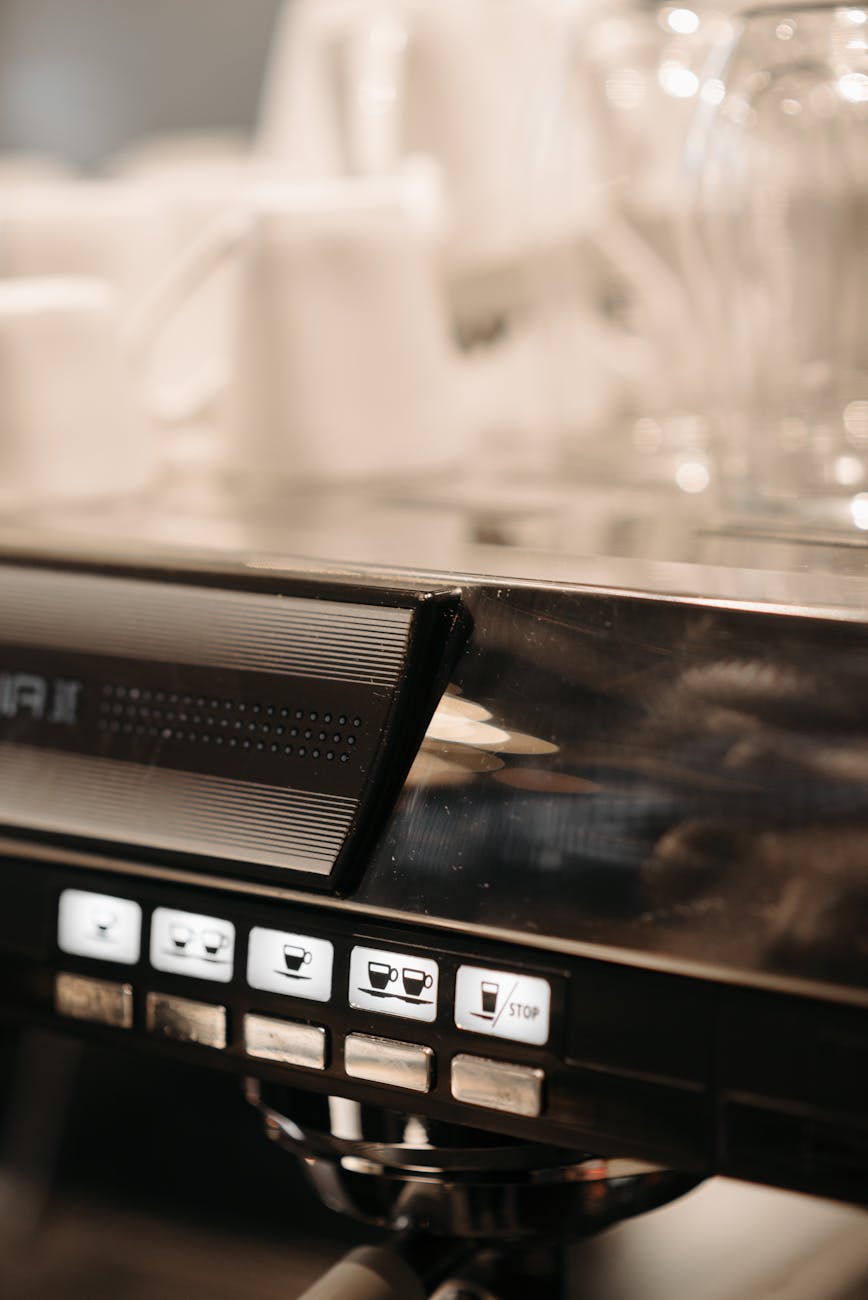
Perfecting your espresso: How to adjust grind size for the Gaggia classic double basket
The Gaggia Classic is a legendary machine, beloved by home baristas for its robust build and ability to produce genuinely fantastic espresso. However, many new owners quickly discover a challenging truth: unlocking its potential isn’t as simple as just pressing a button. The single most important variable you will control on your journey to the perfect shot is the coffee grind size. An incorrect grind can turn premium beans into a sour or bitter disappointment. This guide is dedicated to demystifying the process. We will explore exactly how to dial in your grinder for the standard Gaggia Classic double basket, turning frustration into delicious, syrupy espresso that rivals your favorite cafe.
Why grind size is king for espresso
To understand how to adjust your grind, you first need to understand why it matters so much. Think of espresso extraction as a controlled erosion. The Gaggia Classic’s pump forces hot water through a compacted puck of coffee at high pressure (ideally around 9 bars). The goal is to have this water pass through the coffee grounds for a specific amount of time, typically 25 to 30 seconds, to dissolve the perfect balance of oils, sugars, and acids.
The coffee grind size is your primary tool for controlling this timing. It dictates two key factors:
- Resistance: Finely ground coffee creates a more densely packed puck with smaller gaps between the particles. This increases the resistance, slowing the flow of water. Coarsely ground coffee has larger gaps, offering less resistance and allowing water to rush through quickly.
- Surface area: Finer grinds expose more of the coffee bean’s surface area to the water. This allows for a faster and more efficient extraction of flavor compounds.
For the Gaggia Classic and its double basket, finding this balance is crucial. If your grind is too coarse, the water will gush through in 15 seconds, resulting in a weak, sour, and under-extracted shot. If it’s too fine, the machine may choke, dripping slowly for 40 seconds or more, leading to a harsh, bitter, and over-extracted shot. Your grinder is the dial that lets you find that sweet spot in between.
Reading the signs: Is your grind too coarse or too fine?
Before you can make adjustments, you need to become a detective and learn to diagnose your shots. Your senses—sight, time, and taste—are your best tools for identifying an incorrect grind. A shot of espresso gives you a wealth of feedback if you know what to look for.
Signs of an under-extracted shot (grind is too coarse)
- Time: The shot pulls too fast. For a standard double shot (e.g., 16g of coffee in, 32g of liquid out), this will be under 20-22 seconds.
- Appearance: The flow from the portafilter spouts will look thin and watery. It will start and stay a pale, blonde color very quickly. The resulting crema will be thin, light-colored, and disappear rapidly.
- Taste: The most prominent flavor will be a sharp sourness or acidity. It will taste weak, lacking body, sweetness, and complexity.
Signs of an over-extracted shot (grind is too fine)
- Time: The shot pulls too slowly, often taking more than 35 seconds. You might see the Gaggia’s pump straining.
- Appearance: The flow will be very slow to start, often just dripping for a long time before a thin, struggling stream appears. The crema can be dark and spotty.
- Taste: The dominant flavor is bitterness. It can taste harsh, astringent (a dry feeling in your mouth), and burnt. Any sweetness or delicate flavors will be completely masked.
A well-extracted, or “dialed in,” shot will flow like warm honey, producing a rich, reddish-brown crema. It will hit your target time and, most importantly, taste balanced, sweet, and complex.
The step-by-step process for dialing in
Dialing in is a methodical process. The key is to change only one variable at a time: the grind size. To do this, you must keep everything else, especially your dose (the amount of coffee), consistent.
Step 1: Be consistent with your dose.
Use a coffee scale with 0.1g accuracy. For a standard Gaggia Classic double basket, a good starting dose is 16 grams. Weigh your beans before you grind them. Sticking to the exact same dose for every shot is critical for isolating the effect of your grind adjustments.
Step 2: Pull a test shot.
Prepare your puck with good technique—distribute the grounds evenly and tamp levelly with firm pressure. Place your cup on the scale, tare it to zero, and start a timer the moment you activate the pump. Stop the shot when the scale reads double your dose weight (e.g., 32g of liquid espresso for a 16g dose). Note the final time.
Step 3: Analyze and adjust.
Now, compare your result to the ideal 25-30 second window.
- Was the shot too fast (e.g., 19 seconds)? Your grind is too coarse. You need to adjust your grinder to a finer setting.
- Was the shot too slow (e.g., 38 seconds)? Your grind is too fine. You need to adjust your grinder to a coarser setting.
Make a small adjustment on your grinder. On most espresso grinders, one “notch” or a tiny turn of the collar is enough. Don’t make large, sweeping changes.
Step 4: Purge and repeat.
After adjusting the grinder, run it for a second or two to purge any old grounds retained in the burrs. This ensures your next dose is at the new setting. Now, repeat the entire process: weigh your 16g dose, prepare the puck, pull the shot to your 32g yield, and time it. Continue this cycle of small adjustments until your shots are consistently falling within that 25-30 second range and, most importantly, tasting great.
Troubleshooting and advanced factors
Once you’ve mastered the basic process, you’ll encounter other factors that can affect your grind setting. Espresso is a dynamic process, and what works for one coffee might not work for another.
Coffee beans matter. The age, origin, and roast level of your coffee beans have a significant impact.
- Freshness: Freshly roasted coffee (within 4-14 days of the roast date) contains C02, which affects extraction. As beans age, you’ll often need to grind progressively finer to maintain the same shot time.
- Roast level: Darker roasts are more brittle and soluble, meaning they extract more easily. You’ll generally need a slightly coarser grind for a dark roast compared to a light roast.
Puck preparation. Even with the perfect grind, poor distribution of grounds in the basket can cause channeling. This is where water finds a path of least resistance and over-extracts that channel while under-extracting the rest of the puck. A bottomless portafilter for your Gaggia Classic is an excellent tool for diagnosing this, as it will show you jets of espresso spraying out. The solution is better puck prep, often using a Weiss Distribution Technique (WDT) tool.
Quick reference troubleshooting table
| Symptom | Probable Cause | Solution |
|---|---|---|
| Shot pulls in under 20 seconds, tastes sour. | Grind is too coarse. | Adjust grinder to a finer setting. |
| Shot drips slowly, takes over 35 seconds, tastes bitter. | Grind is too fine. | Adjust grinder to a coarser setting. |
| Espresso sprays from bottomless portafilter. | Channeling due to poor puck prep or inconsistent grind. | Improve distribution (WDT), ensure a level tamp, and check grind. |
| A new bag of coffee is pulling too fast. | Beans may be older, a lighter roast, or a different origin. | Begin the dialing-in process again, likely starting with a finer grind. |
Conclusion
Mastering the grind for your Gaggia Classic’s double basket is the single most impactful skill you can develop as a home barista. It transforms the machine from a source of frustration into a tool for incredible espresso. The key is to embrace a methodical approach: keep your dose constant, use time and taste as your guides, and make small, deliberate adjustments to your grinder. Remember that dialing in is not a “set it and forget it” task; it’s a routine you’ll perform with every new bag of coffee. While it may take a few attempts to find that perfect setting, the reward is immense. With patience and practice, you will be pulling balanced, sweet, and flavorful shots that unlock the true potential of your Gaggia Classic.

 No products in the cart.