

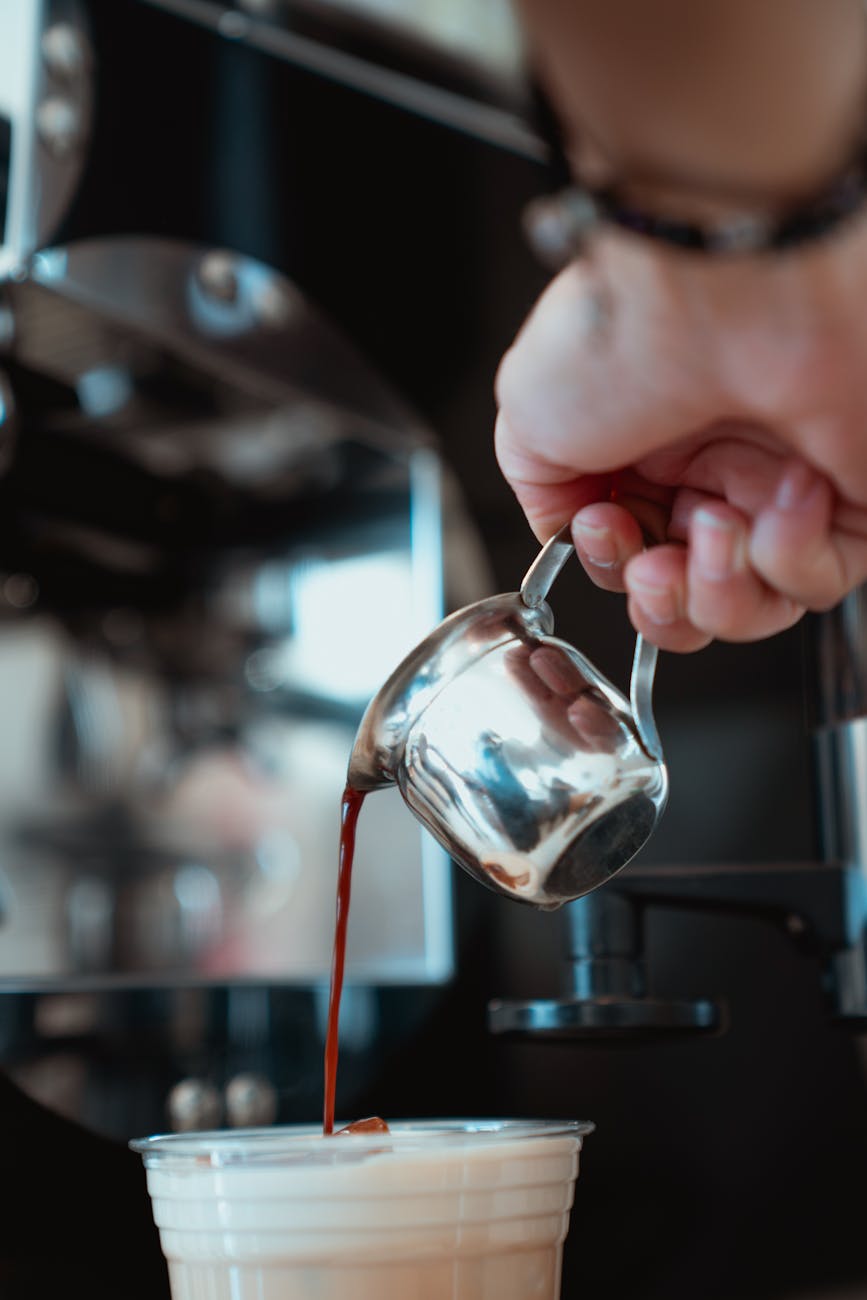
Why you need a WDT tool for more consistent espresso extraction
The pursuit of the perfect espresso shot is a journey familiar to every home barista. It’s a delicate dance of variables: bean freshness, grind size, dose, and tamp pressure. Yet, even when you think you have everything dialed in, you pull a shot that’s disappointingly sour, bitter, or just plain messy. This inconsistency is often caused by a hidden enemy in your portafilter: clumps. These tiny clusters of coffee grounds can wreak havoc on your extraction. Fortunately, there’s a simple, inexpensive solution that can dramatically improve your results. This article will explore the Weiss Distribution Technique, or WDT, and explain why the humble WDT tool is an essential piece of kit for anyone serious about brewing consistently delicious espresso.
Understanding the enemy: clumping and channeling
Before we can appreciate the solution, we must first understand the problem. When you grind coffee beans, several factors, including static electricity from the grinder and ambient humidity, cause the fine particles to stick together, forming clumps. When you transfer these grounds to your portafilter, these clumps create an uneven landscape. Some areas are densely packed, while others are relatively loose.
This unevenness is the direct cause of a phenomenon known as channeling. When the hot, pressurized water from your espresso machine hits the coffee puck, it behaves like any liquid: it follows the path of least resistance. Instead of flowing evenly through the entire bed of coffee, the water will find and exploit the less dense areas, creating “channels.” This means the coffee in the path of the channel gets over-extracted, leading to bitter flavors. Meanwhile, the dense, clumpy areas are bypassed and remain under-extracted, contributing sour, acidic notes. The result is a shot that is both bitter and sour—a muddled, unbalanced cup that fails to capture the true potential of your coffee beans.
Introducing the hero: the WDT tool
The solution to channeling and clumping is surprisingly simple. It’s a method developed by coffee enthusiast John Weiss in the early 2000s, known as the Weiss Distribution Technique. The technique utilizes a WDT tool, which is essentially a handle with several very fine needles protruding from it. The goal is to use these needles to rake through the coffee grounds in the portafilter before tamping.
By stirring the grounds with the tool, you systematically break up any existing clumps. The action separates the individual coffee particles and redistributes them evenly throughout the entire basket. This process eliminates the dense spots and voids that lead to channeling. A good WDT tool uses very thin needles, typically less than 0.4mm in diameter (acupuncture needles are a popular choice), as thicker needles can create new channels rather than solve the problem. The simple act of stirring creates a fluffy, homogenous bed of coffee, perfectly preparing it for a uniform extraction.
The science of an even extraction
The effectiveness of the WDT tool isn’t magic; it’s based on the physics of water flow and extraction. By creating a coffee puck with uniform density, you fundamentally change how water interacts with the coffee. When the puck is homogenous, there is no “easy path” for the water to take. Instead, it is forced to percolate evenly through the entire volume of coffee grounds. This ensures that every single particle of coffee is exposed to water at a similar rate and for a similar duration.
This even flow has a profound impact on flavor. It allows for a higher, more balanced extraction yield, meaning you dissolve more of the desirable flavor compounds—sugars, oils, and nuanced acids—from the coffee into your cup. Visually, you’ll notice the difference immediately. Instead of a messy pour with spurts of watery espresso (a tell-tale sign of channeling), you’ll see a beautiful, syrupy, and consistent flow that often results in the coveted “tiger striping” effect. This visual confirmation is a clear indicator that you’re achieving a far more even and complete extraction.
Choosing and using your WDT tool
Integrating a WDT tool into your workflow is easy and offers a huge return for a small investment. You can find everything from simple DIY versions to professionally crafted tools.
When selecting a tool, consider the following:
| Feature | What to look for |
|---|---|
| Needle Gauge | Thinner is better. Look for needles that are 0.4mm in diameter or less to avoid creating new channels. |
| Number of Needles | Most tools have between 5 and 10 needles. This range provides good coverage without being too cumbersome. |
| Ergonomics | Choose a tool with a comfortable handle and a stand to keep your workspace clean and the needles protected. |
Using the tool is straightforward:
- Grind your coffee directly into your portafilter. Using a dosing funnel is highly recommended to prevent mess.
- Insert the WDT tool’s needles all the way to the bottom of the basket.
- Gently stir the grounds using circular or criss-cross patterns, ensuring you cover the entire area and depth of the basket. The grounds should look light and fluffy.
- Give the portafilter a gentle tap or two on the counter to settle the grounds into a flat bed.
- Tamp evenly and with consistent pressure as you normally would.
This quick addition to your routine, taking no more than 10-15 seconds, will have one of the most significant impacts on your shot quality.
In the quest for cafe-quality espresso at home, consistency is the ultimate goal. The primary obstacle to achieving this is an uneven extraction caused by clumping and channeling. As we’ve seen, these issues lead to unbalanced shots that are both sour and bitter. The Weiss Distribution Technique, and the simple WDT tool used to perform it, offers a direct and highly effective solution. By breaking up clumps and creating a homogenous bed of coffee grounds, a WDT tool ensures that water flows evenly through the puck. This leads to a balanced extraction, unlocking the full flavor potential of your beans and giving you repeatable, delicious results shot after shot. For any home barista, it’s a small, inexpensive upgrade that delivers an outsized improvement in quality.


 No products in the cart.