

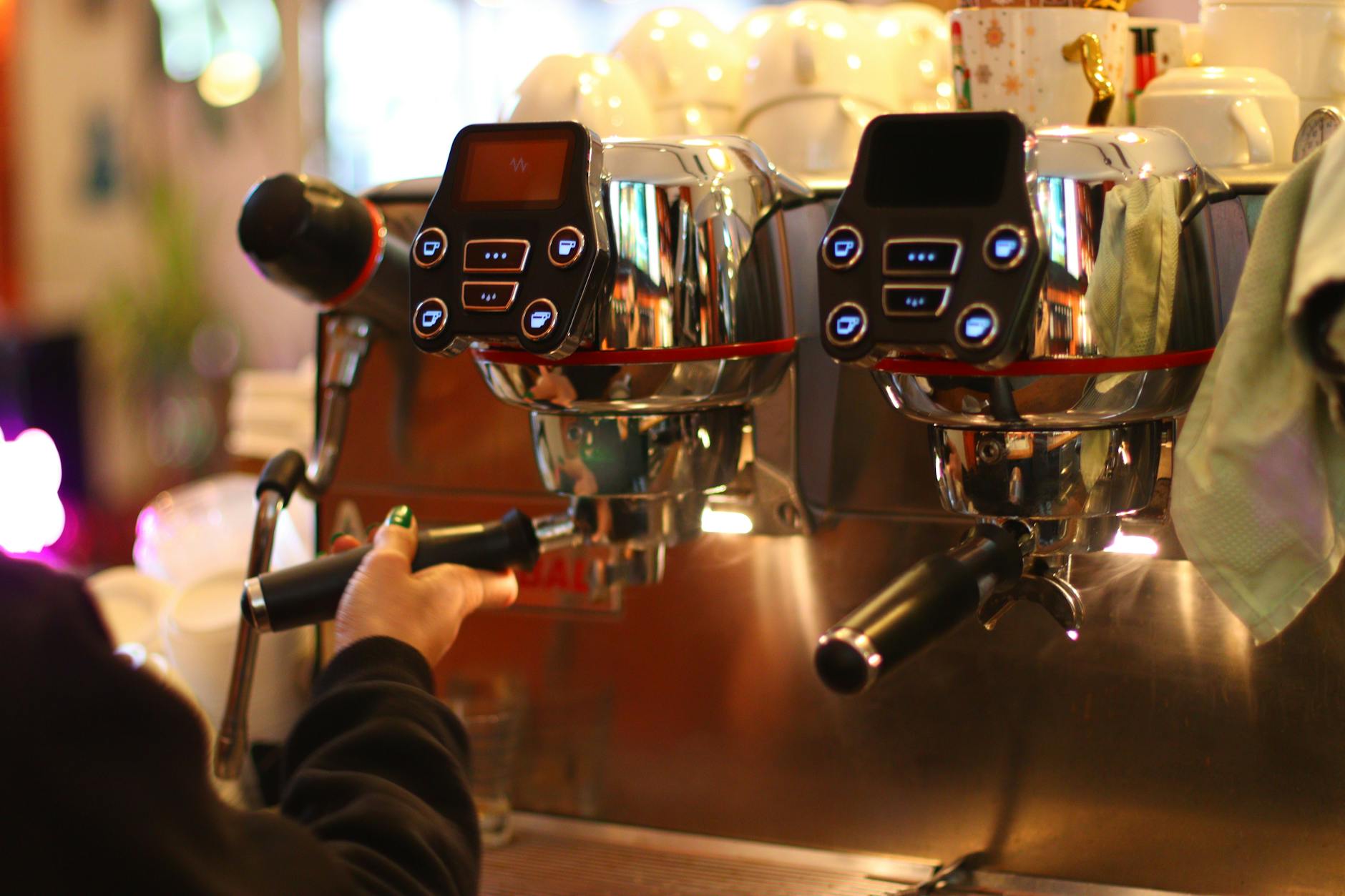
Pulling a great shot of espresso at home is a rewarding ritual, but venturing into the world of light roast coffee can feel like a completely different game. Those bright, acidic, and complex flavor notes promised on the bag often translate into a sour, underwhelming shot in the cup. If you’ve been struggling to tame these vibrant beans, you’re not alone. Light roasts are denser and less soluble than their darker counterparts, demanding a different approach to extraction. This article is your guide to mastering the art of light roast espresso. We’ll break down the key variables you need to control, from grind size and temperature to brew ratios, helping you unlock the delicate, fruity, and floral flavors that make these coffees so special.
Why light roasts are different for espresso
Before we start turning dials and pressing buttons, it’s crucial to understand why light roast beans behave so differently. During the roasting process, coffee beans lose moisture and become more brittle and porous. A dark roast has been roasted longer, making it more soluble and easier for water to extract flavor from. Light roast beans, on the other hand, are roasted for a shorter time. This preserves more of the coffee’s original, delicate flavors, but it also means the bean structure is much denser and less soluble.
This density poses the main challenge for espresso. Standard espresso recipes are designed for more developed, soluble coffees. When you apply that same recipe to a light roast, the water can’t extract enough of the good stuff in the short time frame of an espresso shot. The result is underextraction, which tastes overwhelmingly sour. Think of it like trying to dissolve a sugar cube versus granulated sugar; the cube takes more effort. To pull a balanced, sweet, and complex shot from a light roast, we need to adjust our technique to increase extraction and give the water a better chance to work its magic.
Key variables you must control
Dialing in light roasts is all about pushing extraction. You need to give the water more time, energy, and surface area to work with. This means adjusting several key variables on your espresso machine and grinder. Forget the classic 1:2 ratio in 25 seconds for a moment; we’re entering a new territory.
- Grind finer: This is the most important adjustment. A finer grind creates more surface area for the water to interact with, dramatically increasing extraction. You will likely need to grind significantly finer than you do for medium or dark roasts. Don’t be afraid to push your grinder towards its finest settings. This will increase the shot time, which is exactly what we want.
- Increase brew temperature: Hotter water has more energy and extracts coffee solids more efficiently. Most standard espresso is brewed between 90-93°C (195-200°F). For light roasts, you should aim higher, typically in the 94-96°C (201-205°F) range. If your machine has a PID (Proportional Integral Derivative) controller, this is easy to adjust. If not, you may need to run a “warming flush” through your group head for a longer period before pulling your shot to get the temperature up.
- Pull a longer ratio: The traditional 1:2 brew ratio (e.g., 18g of coffee in, 36g of liquid out) is often insufficient for light roasts. To get a balanced extraction, you need to run more water through the coffee. A good starting point is a 1:2.5 or even 1:3 ratio. For an 18g dose, this means aiming for 45g to 54g of liquid espresso in your cup. This longer “contact time” allows for more of the sugars and complex acids to be dissolved.
Developing a new light roast recipe
Now let’s put it all together into a practical workflow. Start with a baseline and adjust one variable at a time. Trying to change grind, dose, and yield all at once will lead to confusion. The goal is to move away from sourness (underextraction) without veering into bitterness and astringency (overextraction).
Here is a sample starting point you can use as a guide. Compare it to a traditional recipe to see the key differences.
| Parameter | Traditional espresso | Light roast starting point |
|---|---|---|
| Dose | 18g | 18g |
| Yield | 36g (1:2 ratio) | 45g (1:2.5 ratio) |
| Temperature | 90-93°C (195-200°F) | 95°C (203°F) |
| Target time | 25-30 seconds | 30-35 seconds |
Your workflow should look like this:
- Set your temperature high. Start at 95°C (203°F).
- Pick your dose and yield. Stick with a dose you know, like 18g, and aim for a 1:2.5 ratio (45g out).
- Adjust the grind to hit the time. This is your primary focus. Pull a shot and watch the timer. Is it too fast? Grind finer. Is it choking the machine and running too slow? Grind coarser. Your main goal is to get your 45g yield in about 30-35 seconds.
- Taste and refine. Once you hit your target time and yield, taste the shot. If it’s still a bit sour, try increasing the yield to 1:2.7 or 1:3 (e.g., 48g or 54g out) while keeping the grind the same. This will push extraction a little further. If it’s starting to taste bitter or hollow, you’ve gone too far and should pull back on the yield.
Advanced tip: If your machine has it, a long, gentle pre-infusion can be a game-changer. Pre-infusion wets the coffee puck at a lower pressure before the main extraction begins. This helps to saturate the dense puck evenly, reducing the chance of channeling and promoting a more uniform extraction. Aim for a pre-infusion of 7-10 seconds.
Troubleshooting the taste
Your taste buds are the ultimate judge. Learning to identify the key flavors in an unbalanced shot is essential for knowing which direction to go. When dialing in a light roast, you’re walking a fine line between sour and bitter.
- If it tastes sour: This is classic underextraction. The taste is sharp, lemony, and sometimes salty. It makes your mouth pucker. This is the most common problem with light roasts. To fix it, you need to increase extraction. Your options are:
- Grind finer to increase shot time.
- Increase the brew ratio (pull a longer shot).
- Increase the brew temperature.
- If it tastes bitter and drying: This is overextraction. The taste is harsh, chalky, and leaves an unpleasant, lingering astringency on your tongue, similar to over-steeped black tea. You have pushed the extraction too far. To fix it, you need to decrease extraction. Your options are:
- Grind coarser to shorten the shot time.
- Decrease the brew ratio (pull a shorter shot).
Remember that “acidity” is not the same as “sourness.” A well-extracted light roast will have a pleasant, bright acidity like that of a crisp apple or a ripe berry. Sourness is an unpleasant, one-dimensional flavor that indicates a failed extraction. The goal is to transform that aggressive sourness into a sweet and complex acidity that defines a beautiful light roast espresso.
Mastering light roast espresso at home is a journey that requires patience and a willingness to step outside traditional brewing parameters. By understanding that these beans are denser and less soluble, you can begin to make targeted adjustments. The key is to increase extraction by grinding finer, raising your brew temperature, and pulling longer shots with higher brew ratios. Use a starting recipe as your guide, but let your palate make the final call. Learn to distinguish between unpleasant sourness and desirable acidity. With practice, you’ll move past the frustration of underextracted shots and begin to consistently pull sweet, vibrant, and complex espresso that truly showcases the incredible potential of light roast coffee.

 No products in the cart.