

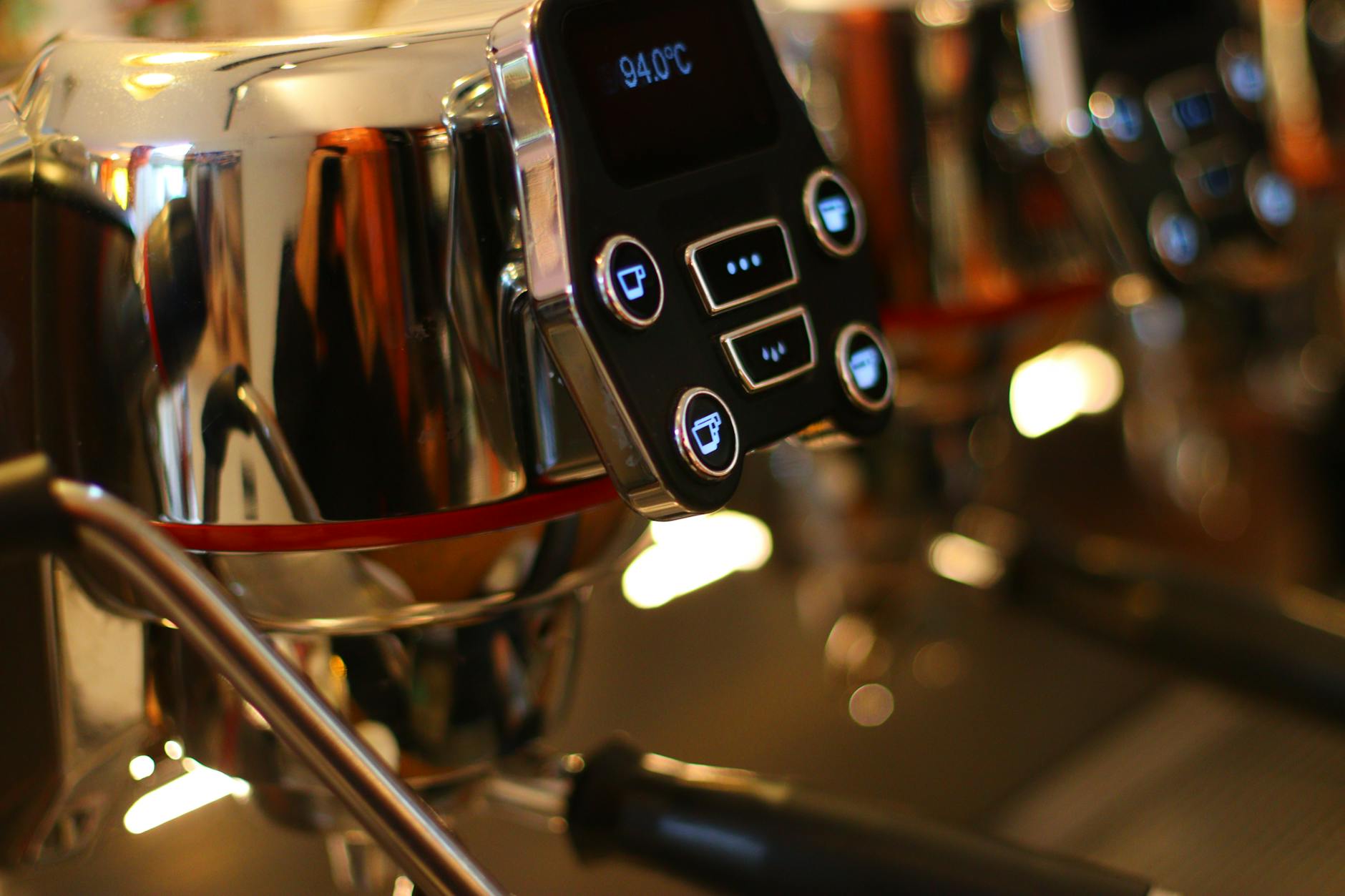
Perfecting an espresso shot is a delicate dance of variables, a pursuit that fascinates both home baristas and seasoned professionals. While much attention is given to grind size, dose, and brew time, one of the most powerful and often misunderstood elements is water temperature. The temperature at which water meets the coffee grounds dictates which flavor compounds are extracted and at what rate, fundamentally shaping the final taste in your cup. It’s the invisible hand that can guide a shot from sour and underdeveloped to balanced and sweet, or push it into the realm of bitter and harsh. Understanding and controlling this single variable is a cornerstone of mastering espresso extraction, unlocking a new level of precision and consistency in your coffee-making journey.
The science of temperature and coffee extraction
At its core, brewing coffee is a process of extraction. Water acts as a solvent, dissolving a variety of soluble compounds from the roasted coffee grounds, including acids, sugars, oils, and other flavor components. Water temperature plays the role of a catalyst in this chemical reaction. Think of it as energy; hotter water possesses more thermal energy, which makes it a more aggressive and efficient solvent. This increased energy allows water to break down and dissolve coffee solids more quickly and thoroughly.
The different compounds within coffee extract at different rates and temperatures.
- Acids: These are typically the first to dissolve. They are responsible for the bright, fruity, and sometimes sour notes in coffee.
- Sugars: These dissolve next, contributing to the sweetness, body, and balance that define a great shot of espresso.
- Bitter compounds: Heavier compounds like melanoidins and caffeine byproducts extract later in the process. While some bitterness is desirable for complexity, excessive extraction of these leads to harsh, astringent flavors.
Water temperature directly influences this sequence. A temperature that is too low will not have enough energy to dissolve the desirable sugars sufficiently, leading to a predominantly sour taste—a classic sign of under-extraction. Conversely, a temperature that is too high will dissolve everything too quickly, including an excess of the bitter compounds, resulting in an astringent and burnt taste characteristic of over-extraction.
Finding the sweet spot: The ideal temperature range
While the exact temperature is bean-dependent, the specialty coffee industry generally agrees on a target brewing temperature range of 90°C to 96°C (195°F to 205°F) for espresso extraction. This window is considered the “sweet spot” because it provides enough thermal energy to effectively extract the sweet sugars and complex oils without aggressively dissolving the less desirable bitter compounds. Brewing within this range gives the barista control, allowing for a balanced extraction where acidity is tempered by sweetness and complemented by a pleasant, gentle bitterness.
Falling outside this range reveals immediate problems. Below 90°C (195°F), the water is often too gentle. It struggles to pull out the sugars and deeper flavors, resulting in a shot that is thin, weak, and unpleasantly sour. Above 96°C (205°F), the water becomes too volatile and aggressive. It scorches the delicate aromatic compounds and rapidly extracts everything, leading to a cup dominated by bitterness and astringency, masking any of the coffee’s inherent sweetness or nuanced flavors. This temperature range is therefore not an arbitrary rule but a fundamental guideline rooted in the chemistry of coffee solubility.
How roast level and origin influence temperature
The ideal temperature range is not a one-size-fits-all solution. The perfect temperature for your espresso is deeply interconnected with the specific coffee you are using, primarily its roast level and, to a lesser extent, its origin and density. Mastering temperature means learning to adapt it to the bean.
Roast Level is the most significant factor.
- Light Roasts: These beans are roasted for a shorter time, making them denser and less porous. Their cellular structure is more intact, making the soluble compounds harder to extract. To compensate, a higher brewing temperature (e.g., 94°C-96°C or 201°F-205°F) is often needed to provide the energy required for proper extraction, helping to unlock their bright, complex acidity and sweetness.
- Dark Roasts: These beans are roasted longer, becoming more porous, brittle, and soluble. They extract very easily. Using a high temperature can instantly lead to over-extraction, producing overwhelming bitterness and ashy flavors. A lower temperature (e.g., 90°C-92°C or 195°F-199°F) is gentler on the grounds, helping to highlight rich, chocolatey, and nutty notes while taming potential bitterness.
The table below provides a general guide:
| Roast Level | Suggested Temperature Range (°C) | Expected Flavor Profile |
|---|---|---|
| Light | 93°C – 96°C | Bright acidity, floral, fruity, complex |
| Medium | 91°C – 94°C | Balanced sweetness, body, caramel notes |
| Dark | 90°C – 92°C | Low acidity, bold, chocolatey, roasty |
Practical application and temperature stability
Understanding the theory is one thing; applying it is another. Your ability to control brewing temperature depends heavily on your espresso machine. Basic, entry-level machines offer little to no control, while more advanced machines provide incredible precision. A machine equipped with a PID (Proportional-Integral-Derivative) controller is the gold standard, as it uses an algorithm to continuously monitor and maintain the boiler temperature to within a fraction of a degree.
However, the number on the display is not the only thing that matters. Temperature stability throughout the entire shot is just as important. The temperature of the water as it leaves the boiler can be very different from the temperature when it hits the coffee. To ensure consistency, always preheat your machine, portafilter, and cups thoroughly. Before pulling a shot, it’s good practice to run a short “flush” of water through the group head to stabilize its temperature. This ensures that the brewing environment is consistent from the first drop of espresso to the last, preventing temperature swings that can create an unbalanced extraction.
Ultimately, water temperature is a dynamic tool in your espresso-making arsenal. It’s not a static setting to be configured once and forgotten, but a crucial variable that unlocks the full potential of your coffee beans. We’ve seen how it governs the rate and type of compounds extracted, defining a shot as sour, sweet, or bitter. The ideal range of 90-96°C is a starting point, not a destination, with the final target depending heavily on the roast level of your chosen coffee. Achieving this requires both knowledge and the right equipment, where stability is just as critical as the target number. By paying close attention to temperature and learning to adjust it thoughtfully, you elevate your craft from simply following a recipe to truly conducting a delicious extraction.


 No products in the cart.