

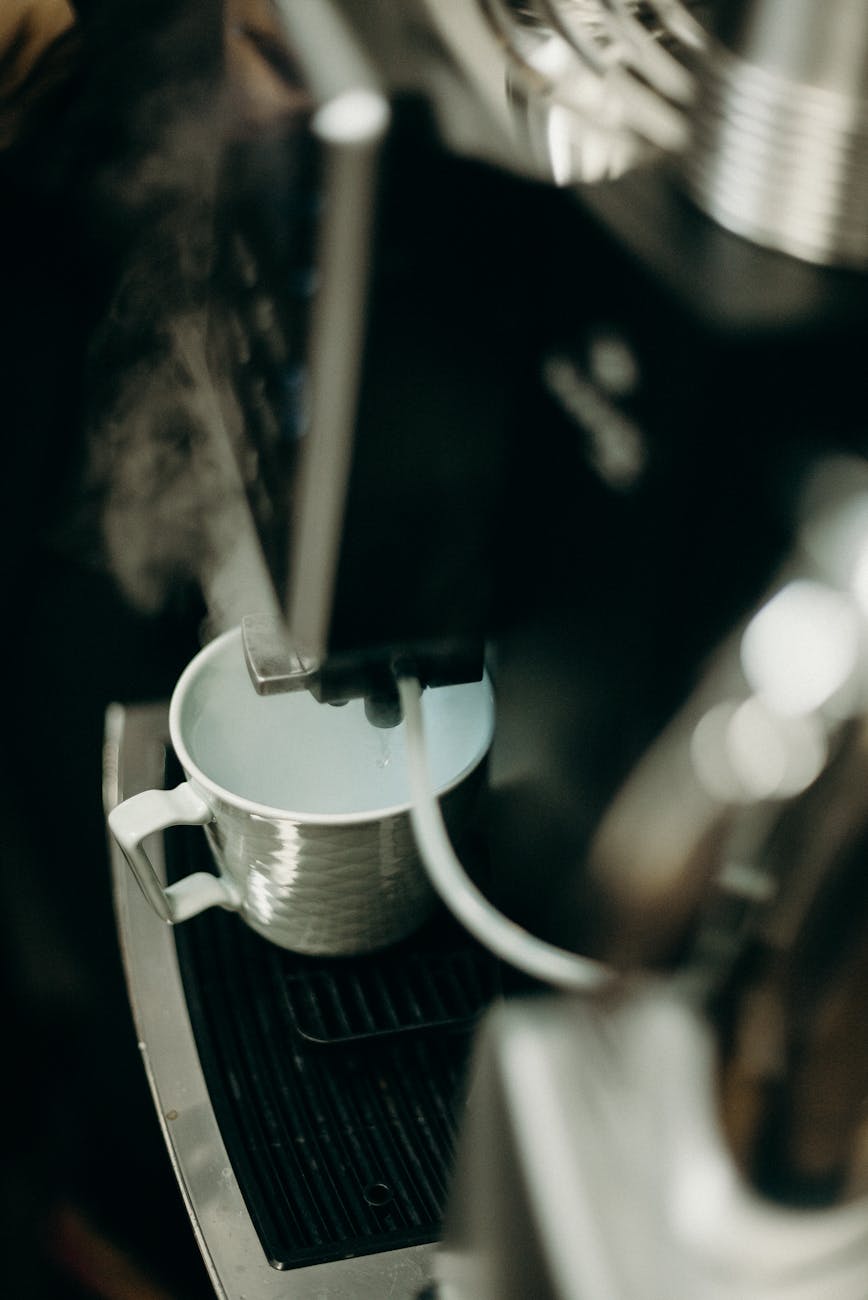
Gaggia steam tips explained: From Pannarello to perfect microfoam
For many aspiring home baristas, a Gaggia coffee machine represents the gateway to authentic, café-quality espresso. These robust machines are celebrated for their ability to pull rich, flavorful shots. However, when it comes to milk-based drinks like lattes and cappuccinos, the conversation often turns to a small but crucial component: the steam tip. The type of steam tip on your Gaggia can be the single biggest factor determining whether you produce a cup of stiff, bubbly foam or the silky, velvety microfoam required for beautiful latte art. This article will explore the fundamental differences between Gaggia’s standard steam wands and popular aftermarket upgrades, explaining how their design directly impacts the texture and quality of your frothed milk.
Understanding the science of steaming
Before comparing different tips, it’s essential to understand what’s happening inside that pitcher of milk. The goal of steaming is twofold: to heat the milk to its optimal temperature (around 60-65°C or 140-150°F) and to texturize it by incorporating air. This process involves two key phases:
- Stretching: This is the aeration phase. By positioning the steam tip just below the surface of the milk, you introduce air, creating foam and increasing the milk’s volume. The sound should be a gentle, consistent “tsss-tsss” like paper tearing.
- Texturing: Once you’ve incorporated enough air, you submerge the tip deeper into the milk. This stops aeration and uses the force of the steam to create a vortex, or a whirlpool. This vortex breaks down large bubbles into smaller ones and folds the foam into the milk, creating a smooth, homogenous, and glossy liquid known as microfoam.
The steam tip is the final point of control. Its design, specifically the number, size, and angle of its holes, dictates the velocity and dispersion of the steam. A well-designed tip gives the barista precise control over both the stretching and texturing phases, while a poorly designed one can make one or both phases nearly impossible to manage.
The Gaggia Pannarello: A beginner’s friend
Many entry-level Gaggia machines, including older versions of the iconic Gaggia Classic, come equipped with a Pannarello wand. This isn’t a traditional steam tip but rather a plastic or metal sheath that fits over a simple steam pipe. The Pannarello is designed to be an “auto-frother” or a frothing aid. It features a tiny air intake hole on its side which automatically sucks in a large amount of air as soon as the steam is engaged, regardless of the tip’s position in the milk.
The result? The Pannarello is incredibly easy to use. You simply place it in the milk, turn on the steam, and it produces a mountain of thick, stiff foam. For someone who just wants a foamy cappuccino without any fuss, it does the job. However, this ease of use comes at a significant cost: a complete lack of control. The foam created is what baristas call macrofoam, characterized by large, airy bubbles. It’s dry, separates quickly from the liquid milk, and is entirely unsuitable for creating the integrated texture needed for latte art.
Upgrading for control: The traditional steam tip
For any Gaggia owner serious about milk texture, the first and most recommended upgrade is to replace the Pannarello with a traditional, commercial-style steam wand and tip. The most popular modification for the Gaggia Classic, for instance, is installing the steam wand from a Rancilio Silvia machine. Newer models like the Gaggia Classic Pro come with a much better commercial-style wand out of the box, though some users still opt for aftermarket tips to fine-tune performance.
Unlike the Pannarello, a traditional tip has no external air intake hole. It typically features one to four small, precisely drilled holes at the very end. This design puts the barista back in complete control. Air is only introduced when you place the tip at the surface of the milk. This allows you to carefully manage the stretching phase, adding just the right amount of air before submerging the tip to create that silky vortex. The steam is more focused and powerful, making it easier to achieve the rolling motion necessary to produce true microfoam that has the consistency of wet paint.
A practical comparison of steam tips
The decision to stick with the stock Pannarello or upgrade comes down to your personal coffee goals. The learning curve for a traditional tip is steeper, requiring practice to master placement and timing, but the reward is a vastly superior result. This table breaks down the key differences:
| Feature | Gaggia Pannarello Wand | Traditional Steam Tip (Upgrade) |
|---|---|---|
| Ease of use | Very easy, minimal technique required. | Requires practice and technique to master. |
| Control level | Almost none. Aeration is automatic. | Full control over aeration and texturing. |
| Foam type | Macrofoam (large, stiff, dry bubbles). | Microfoam (silky, glossy, wet-paint texture). |
| Best for | Beginners wanting quick, foamy cappuccinos. | Lattes, flat whites, and pouring latte art. |
| Latte art potential | None. The foam is too stiff and separated. | Excellent. This is what it’s designed for. |
Ultimately, a traditional steam tip with a single, well-angled hole is often considered the ideal starting point for a Gaggia upgrade. It provides a powerful, concentrated jet of steam that is perfect for creating a vortex in smaller home-sized milk pitchers, giving you the power to craft drinks that look and taste like they came from your favorite specialty coffee shop.
Conclusion: Unlocking your machine’s potential
In conclusion, the steam tip on a Gaggia machine is far more than a minor detail; it is the key that unlocks the potential for professional-quality milk texturing. The standard Pannarello wand serves as a simple, foolproof tool for beginners who prioritize ease over quality, consistently producing thick, bubbly foam. However, to progress beyond this and achieve the silky microfoam essential for latte art and a truly integrated drink, an upgrade is not just recommended, it’s necessary. Swapping to a traditional, commercial-style steam tip puts the user in command, allowing for precise control over aeration and texturing. This single, often inexpensive, modification is arguably the most transformative upgrade a Gaggia owner can make.

 No products in the cart.