

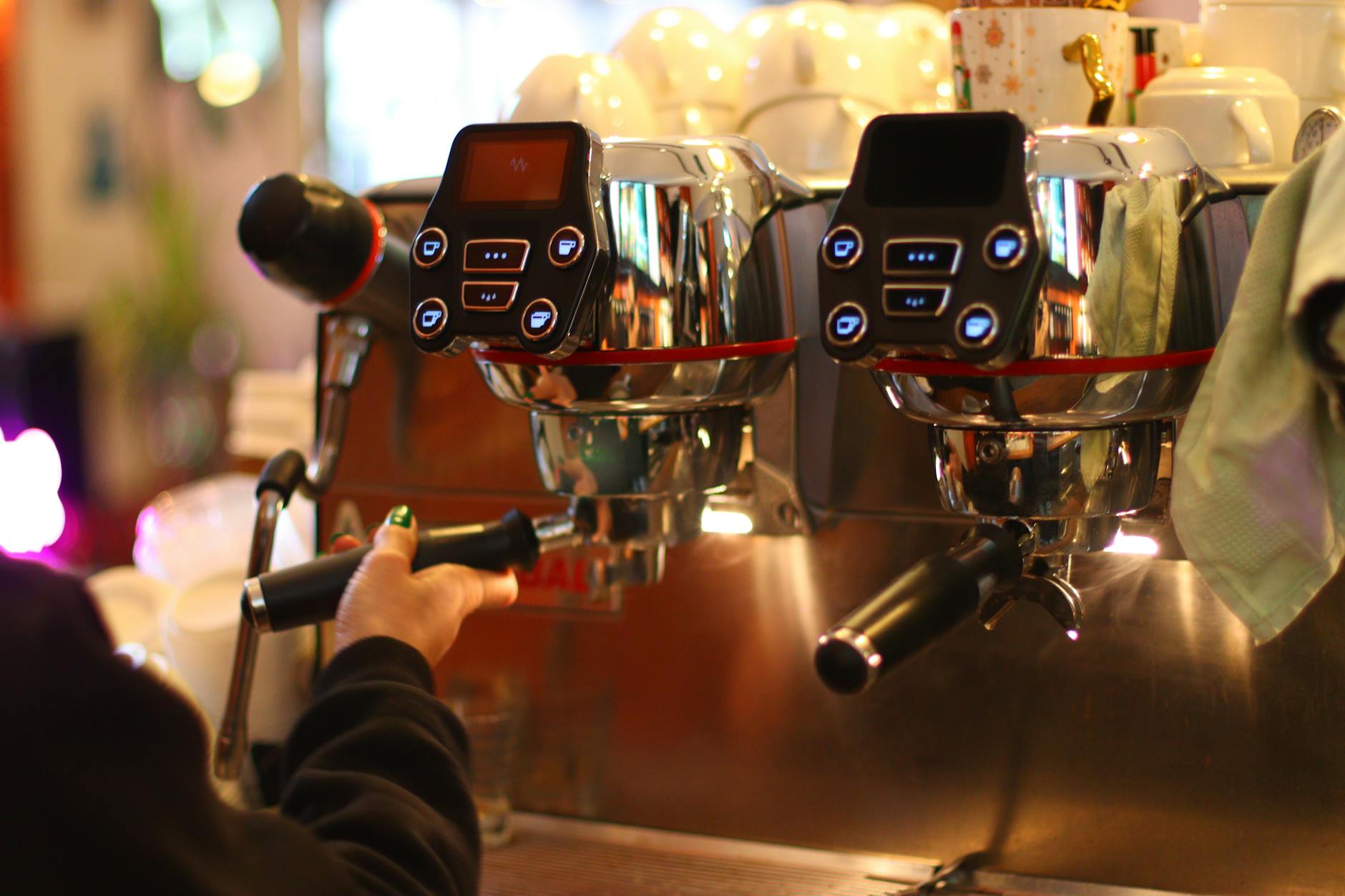
The Gaggia Classic is a legendary entry-level espresso machine, beloved for its ability to produce genuine, cafe-quality espresso. However, its single boiler design presents a common challenge: making multiple milk drinks back-to-back. Juggling the different temperature requirements for brewing espresso and steaming milk can feel clunky and slow, often leaving your first drink cold by the time the second is ready. This can be frustrating, especially when you have guests. But fear not. With the right technique and an optimized workflow, you can significantly speed up the process. This guide will walk you through the best method for making consecutive lattes or cappuccinos on your Gaggia Classic, transforming your home coffee bar into an efficient production line.
Understanding the single boiler challenge
Before diving into the workflow, it’s crucial to understand why the Gaggia Classic needs a specific process for back-to-back drinks. The machine uses a single boiler to heat water for both brewing and steaming. Brewing espresso requires a water temperature of around 90-95°C (195-205°F), while steaming milk needs much higher temperatures to produce steam, typically around 140°C (285°F). When you flip the steam switch, the boiler’s heating element kicks into high gear to reach this temperature.
The problem arises after you’ve steamed your first pitcher of milk. The boiler is now far too hot to brew another shot of espresso. If you tried to pull a shot immediately, the overheated water would scorch the coffee grounds, resulting in a bitter, unpleasant taste. The core of an efficient workflow, therefore, revolves around managing this temperature drop effectively and quickly. Our goal is to minimize downtime and get the boiler back to the correct brew temperature as fast as possible for the second shot.
The optimal workflow step-by-step
This method prioritizes pulling your espresso shots first, followed by steaming, and includes a crucial cooling step in between drinks. For this workflow, let’s assume you’re making two lattes.
Initial Preparation:
- Turn on your Gaggia Classic and let it warm up for at least 15-20 minutes with the portafilter locked in.
- Prepare two pitchers with the required amount of cold milk and place them in the fridge.
- Grind and tamp your coffee for both drinks. If you have two portafilters, prep both. If not, have the second dose of grounds ready to go.
Making the First Drink:
- Pull your first double shot of espresso into your cup.
- As soon as the shot is finished, place the cup aside and immediately press the steam switch.
- While the machine heats up to steam temperature (the ready light will turn on), purge the steam wand of any condensation.
- Steam the milk for your first drink.
- Combine the steamed milk and espresso. Your first drink is ready.
By pulling the shot first and then heating to steam temperature, you ensure the coffee is brewed at the correct temperature. This is the most logical first step.
The critical transition: Cooling the boiler for the second shot
This is where the magic happens and where most people lose time. Your boiler is now at steam temperature, and you need to cool it down quickly and precisely for the second shot of espresso. Don’t just wait for it to cool on its own, as this can take several minutes.
- After steaming your first pitcher of milk, immediately turn off the steam switch. This cuts power to the heating element.
- Place an empty cup or drip tray under the steam wand and briefly open the steam valve. This releases any “false pressure” from the boiler and helps begin the cooling process.
- Quickly knock out the used coffee puck and prepare your portafilter for the second shot.
- Place a cup under the group head and turn on the brew switch. Run hot water through the group head. You will see it come out as sputtering steam at first. This is the superheated water being flushed out.
- Continue running water until it flows in a steady, liquid stream and you see the “brew ready” light on the machine turn back on. This light indicates the thermostat has registered that the temperature is back in the brewing range. Shut off the brew switch immediately.
You have now successfully “purged” the excess heat from the boiler. This entire cooling process should take less than 30-40 seconds, a massive improvement over passive waiting.
Finishing the second drink and summary
With the boiler back at the correct brewing temperature, you can proceed without delay. Lock in your second portafilter and pull your second shot of espresso. Since you just finished steaming, the boiler is still very hot overall, so it will get back up to steam temperature for the second pitcher of milk much faster than it did for the first. As soon as your second shot is done, hit the steam switch, purge the wand, and steam your second pitcher of milk. Combine and serve.
Following this workflow minimizes the delay between drinks by actively managing the boiler temperature. Let’s compare the inefficient versus the optimized workflow.
| Action | Inefficient Workflow (Waiting) | Optimized Workflow (Active Cooling) |
|---|---|---|
| Pull 1st Shot | 30 seconds | 30 seconds |
| Steam 1st Milk | 60 seconds | 60 seconds |
| Cooling Boiler for 2nd Shot | 3-5 minutes (passive waiting) | 30-40 seconds (active purge) |
| Pull 2nd Shot | 30 seconds | 30 seconds |
| Steam 2nd Milk | 60 seconds | 45 seconds (boiler is already hot) |
| Total Estimated Time | ~6-8 minutes | ~3.5-4 minutes |
Note: Times are approximate and will vary based on your machine and technique.
Mastering the workflow for back-to-back milk drinks on a Gaggia Classic is a game-changer. The key takeaway is to actively manage the single boiler’s temperature instead of passively waiting for it to change. By preparing all your tools in advance, pulling the espresso shot before steaming, and crucially, using the group head to purge hot water and rapidly cool the boiler, you can cut your production time nearly in half. This transforms the Gaggia Classic from a machine that slowly serves one person at a time into a capable device that can entertain guests without leaving the first drink to get cold. It might feel awkward at first, but with a little practice, this sequence will become second nature, unlocking the full potential of your machine.
 No products in the cart.