

Unlock amazing espresso: Common Gaggia Classic brewing mistakes and how to avoid them
The Gaggia Classic is a legend in the world of home espresso. For decades, it has been the go-to machine for aspiring baristas, offering incredible value and the potential to produce truly cafe-quality shots. However, many new owners find themselves frustrated, pulling sour or bitter espresso that doesn’t live up to their expectations. The truth is, the Gaggia Classic is a capable machine, but it’s not an automatic one. It requires skill and understanding to unlock its full potential. This guide is here to help. We will walk through the most common brewing mistakes Gaggia Classic users make, from the coffee beans you use to the way you clean your machine, and provide clear, actionable steps to avoid them.
Getting the grind completely wrong
The single most important variable in making great espresso, besides the coffee itself, is the grind. This is where many Gaggia Classic owners first stumble. The mistake is twofold: using the wrong type of coffee grounds and using the wrong tool to grind them. Using pre-ground coffee, even if it’s labeled “espresso,” is a recipe for disappointment. Once coffee is ground, it begins to go stale rapidly, losing its delicate aromas and flavors within minutes. More importantly, you have no control over the fineness, which is critical for dialing in a shot.
The second part of this mistake is using a blade grinder. A blade grinder smashes beans into unevenly sized particles, a mix of fine dust and large chunks. When you try to brew with this, water will rush through the large gaps (a phenomenon called channeling) while over-extracting the fine dust, resulting in a shot that is simultaneously sour and bitter. The solution is non-negotiable: you must invest in a quality burr grinder. A burr grinder mills coffee between two abrasive surfaces, creating a much more uniform particle size. This consistency is essential for a balanced and delicious extraction.
Inconsistent tamping and puck preparation
Once you have a consistent, fine grind, the next step is preparing the “puck” of coffee in your portafilter. Many beginners either focus too much on tamping with extreme force or not enough on what comes before it. The primary goal of tamping is not to press as hard as you can, but to create a level and evenly compacted bed of coffee for water to flow through uniformly. Inconsistent pressure or a crooked tamp will create dense and loose spots in the puck, encouraging channeling and ruining your shot.
Before you even tamp, you must focus on distribution. After grinding, coffee grounds are often clumpy and unevenly distributed in the basket. Simply tamping this messy pile will lock in those inconsistencies. A simple and highly effective technique to fix this is the Weiss Distribution Technique (WDT). This involves using a small tool with fine needles to stir the grounds in the portafilter, breaking up clumps and creating a fluffy, even bed. Only after distributing should you tamp. Focus on a comfortable, repeatable pressure and ensure your tamp is perfectly level. Consistency is far more important than brute force.
Mismanaging temperature and timing
The Gaggia Classic is a powerful machine, but its small boiler means the brew water temperature can fluctuate significantly. This is a critical detail that many users overlook. A common mistake is to brew as soon as the “ready” light turns on. This light actually indicates that the heating element has just turned off because the water has reached its peak temperature. If you brew now, your water will likely be too hot, leading to a bitter, over-extracted shot. Conversely, waiting too long will result in water that is too cool, producing a sour, under-extracted shot.
The solution is a technique called temperature surfing. A simple routine is to turn on the steam switch for a few seconds to kick the boiler into a heating cycle, then turn it off and flush some water through the group head until the ready light turns off. When the light comes back on, you can start your shot. This helps you brew within a more consistent and appropriate temperature range. Equally important is timing your shot and weighing your output. Don’t just eyeball it. Use a scale and a timer to aim for a specific brew ratio. A great starting point is a 1:2 ratio, meaning for every 18 grams of ground coffee, you aim for 36 grams of liquid espresso in about 25 to 30 seconds.
| Ratio Name | Input (Dose) | Output (Yield) | Common Taste Profile |
|---|---|---|---|
| Ristretto | 18 g | 18-27 g | Concentrated, intense, syrupy |
| Normale (Standard) | 18 g | 36 g | Balanced, sweet, well-rounded |
| Lungo | 18 g | 54+ g | Thinner body, less intense |
Using the wrong equipment and neglecting maintenance
Your Gaggia Classic came with a few accessories, but not all of them are designed for making the best possible espresso. The most significant culprit is the pressurized portafilter basket. This basket has only one tiny hole for the espresso to exit, which artificially builds pressure and creates a thick, bubbly “crema” even with a poor grind. While it’s forgiving for beginners, it’s a crutch that prevents you from learning proper technique and limits the flavor potential of your coffee. The solution is to immediately switch to a non-pressurized (or single-wall) basket. This will force you to get your grind and puck prep right (connecting to our first two points), but the reward is true, rich crema and far more nuanced flavor.
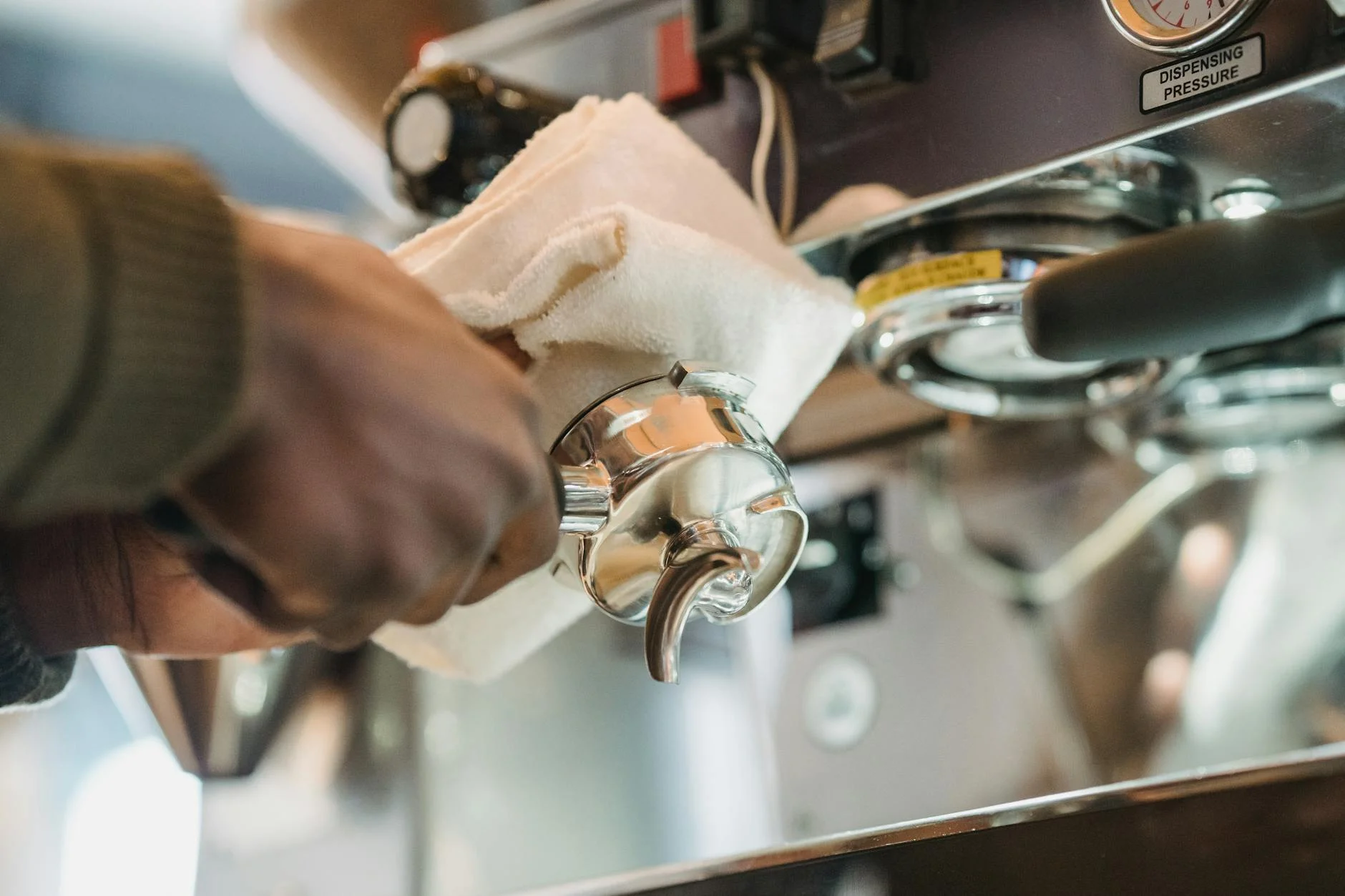
Finally, a clean machine is a happy machine. Coffee oils build up quickly on the shower screen, in the group head, and within the portafilter. If left unchecked, these old, rancid oils will impart a bitter, unpleasant taste to every shot you pull. You should be rinsing your group head and portafilter after every session. More importantly, you must perform a regular backflush routine using a blind basket and a dedicated espresso machine cleaner. This process forces water and detergent up into the group head, cleaning out the parts you can’t see. A simple weekly backflush can make a world of difference to the taste of your espresso.
Mastering the Gaggia Classic is a journey, not a destination. It’s a hands-on machine that rewards attention to detail. By moving beyond the most common pitfalls, you can transform your daily coffee routine from a source of frustration into a rewarding ritual. Remember to focus on the fundamentals: start with a great burr grinder, prepare your puck with care, learn to manage your machine’s temperature, and use the right tools for the job. Don’t be discouraged by a few bad shots. Each one is a learning opportunity. By avoiding these common mistakes and embracing the process, you’ll soon be pulling consistently delicious espresso that rivals your favorite local cafe, all from the comfort of your own home.

 No products in the cart.