

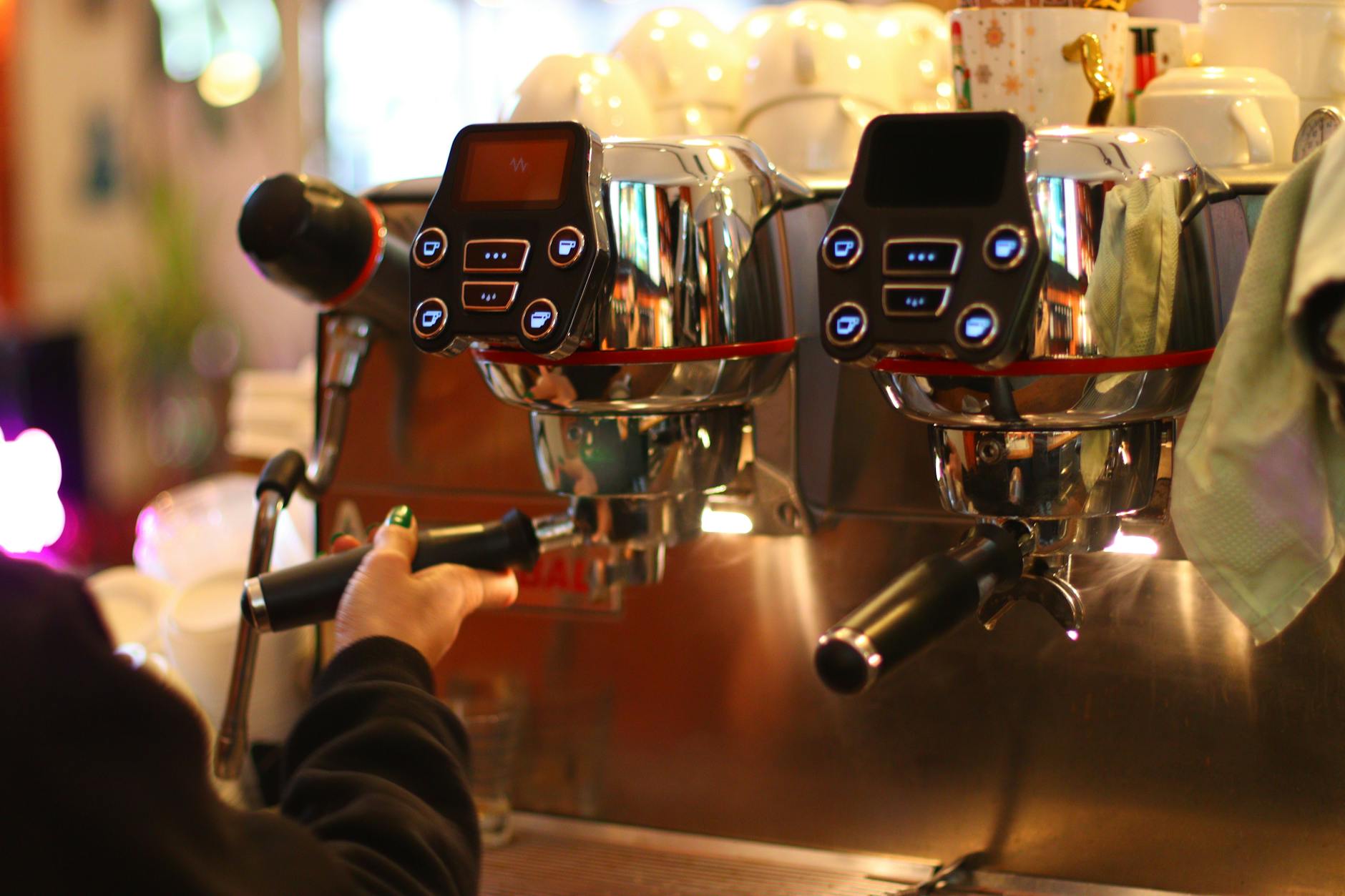
How to properly dial in espresso with a Gaggia machine
Owning a Gaggia machine, like the iconic Gaggia Classic Pro, is a fantastic first step into the world of authentic home espresso. These machines are capable of producing truly exceptional coffee, but they don’t do it on their own. The key to unlocking that potential lies in a process called “dialing in”. This is the art and science of adjusting key variables to extract the perfect shot from your specific coffee beans. This guide will walk you through the essential tools, core concepts, and a step-by-step process for dialing in your Gaggia. We’ll transform those potentially frustrating sour or bitter shots into the rich, balanced, and delicious espresso you’ve been dreaming of, turning your kitchen counter into your favorite cafe.
Gathering your essential dialing-in toolkit
Before you can pull a great shot, you need the right equipment. While your Gaggia machine is the star of the show, a few supporting actors are non-negotiable for achieving consistency and control. Think of these not as expensive extras, but as fundamental tools for the job. Without them, you’re essentially flying blind, relying on guesswork rather than repeatable measurements.
- A quality burr grinder: This is the single most important piece of equipment next to your espresso machine. Blade grinders produce inconsistent particle sizes, leading to uneven extraction. A burr grinder provides the uniform, fine grind necessary for espresso and allows for micro-adjustments, which are critical for dialing in.
- A digital scale (0.1g accuracy): Precision is key. You need a scale to measure your dose (the dry coffee grounds) and your yield (the liquid espresso in the cup). Measuring by volume with scoops is far too inaccurate for consistent results.
- A timer: The extraction time is a crucial indicator of a well-pulled shot. You can use the timer on your phone or a small dedicated coffee timer.
- Freshly roasted coffee beans: Coffee is at its best between 5 and 21 days after its roast date. Pre-ground or old coffee from the supermarket will lack the necessary freshness and will be impossible to dial in properly.
- A proper tamper: The plastic tamper included with many machines is often inadequate. Investing in a solid, 58mm tamper that fits your Gaggia’s portafilter snugly will help you achieve a level and consistent tamp every time.
Optional but highly recommended tools include a bottomless portafilter, which helps you diagnose extraction issues like channeling, and a Weiss Distribution Technique (WDT) tool to break up clumps in your grounds for a more even extraction.
The four core variables of espresso extraction
Dialing in is a balancing act between four interconnected variables. When you change one, it affects the others. Understanding this relationship is the foundation of mastering your Gaggia machine. Your goal is to find a recipe where these four elements work in harmony to produce a delicious result.
1. Dose: This is the weight of your dry coffee grounds in the portafilter basket. For a standard double basket on a Gaggia, a good starting point is usually between 16 and 18 grams. The dose is the foundation of your recipe; you typically set it first and keep it consistent while you adjust other variables.
2. Yield: This is the weight of the liquid espresso in your cup. The relationship between your dose and yield is called the “brew ratio”. A common starting ratio for modern espresso is 1:2. This means for an 18-gram dose, you would aim for a 36-gram yield. This ratio heavily influences the strength and body of your shot.
3. Time: This is the total duration of the extraction, measured from the moment you engage the pump until you stop it. A general target for a well-extracted shot is between 25 and 35 seconds. Time is not a goal in itself, but rather an indicator of how the other variables are interacting.
4. Grind size: This is the primary variable you will adjust to control the extraction time. Water flows through coarse grounds faster and through fine grounds slower. If your shot is running too fast, you need to make your grind finer. If it’s running too slow, you need to make it coarser. It’s the main dial you’ll turn to hit your target time and, most importantly, achieve the right taste.
A step-by-step guide to pulling your first shot
Now that you have your tools and understand the theory, it’s time to put it all together. The key here is to be methodical. Only change one variable at a time—usually the grind size—so you can clearly see the impact of your adjustment.
Step 1: Choose a starting recipe. Don’t overthink it. A great place to start is with an 18g dose and a 1:2 brew ratio. So, your target will be: 18g of coffee in, 36g of espresso out, in about 25-35 seconds.
Step 2: Prepare your puck. Weigh out 18g of whole beans. Grind them into your portafilter. Place the portafilter on your scale to confirm you have 18g of grounds, adding or removing a tiny amount as needed. Distribute the grounds evenly to avoid clumps and create a flat bed. Tamp the grounds with firm, level pressure. The goal is a compact and level puck of coffee.
Step 3: Pull the shot. Lock the portafilter into your Gaggia. Place your cup and scale underneath, then tare the scale to zero. Start your timer and engage the brew switch simultaneously. Watch the scale carefully. As the espresso streams into the cup, you want to stop the shot just before it hits your target yield (e.g., at 33-34g), as a few extra drops will fall after you switch off the pump.
Step 4: Analyze the result. Once the shot is finished, stop the timer. Look at your two key numbers: the final yield and the total time. Did you hit your 36g target? Was the time within the 25-35 second window? Now, you’re ready to taste it and decide what to do next.
Troubleshooting your shot: Let taste be your guide
Numbers like time and yield are just guides. The ultimate goal is a shot that tastes great to you. Taste is the final and most important piece of feedback. A shot that pulls in 28 seconds but tastes terrible is not a success. Use the information below to diagnose your shot and make a single, targeted adjustment for the next one.
Remember the golden rule: if the shot is too fast, grind finer. If the shot is too slow, grind coarser.
| Observation (Taste and Time) | Likely Problem | Primary Solution |
|---|---|---|
| Shot pulls too fast (e.g., 18 seconds). Tastes sour, thin, and acidic, like an unripe lemon. | Under-extraction. The water passed through the coffee too quickly to extract the sweet flavors. | Adjust your grinder to a finer setting. This will increase resistance and slow the shot down. |
| Shot pulls too slow (e.g., 45 seconds). Tastes bitter, harsh, dry, and burnt. | Over-extraction. The water was in contact with the coffee for too long, pulling out unpleasant compounds. | Adjust your grinder to a coarser setting. This will reduce resistance and speed the shot up. |
| The time is perfect (e.g., 30 seconds), but the taste is still a bit off. | The brew ratio may not be ideal for this specific coffee. | Now you can experiment with yield. For more intensity, try a shorter yield (e.g., 32g out). For less intensity and more clarity, try a longer yield (e.g., 40g out). |
By following this methodical process of pulling a shot, tasting it, and making one small adjustment, you will gradually “dial in” your beans. Each coffee is different, so you will repeat this process every time you open a new bag.
Conclusion: The rewarding journey of home espresso
Dialing in espresso on your Gaggia machine is a skill that blends science with sensory experience. It’s a journey of patience and practice, not a destination you reach overnight. By equipping yourself with the essential tools like a quality grinder and a precise scale, you lay the groundwork for success. Understanding the core relationship between dose, yield, grind, and time empowers you to make intentional adjustments. The key is to follow a systematic process: start with a fixed recipe, use time as a diagnostic tool, and let your palate be the ultimate judge. Don’t be discouraged by a few bad shots; each one is a learning opportunity that brings you closer to that perfect, cafe-quality espresso in your own home.


 No products in the cart.