

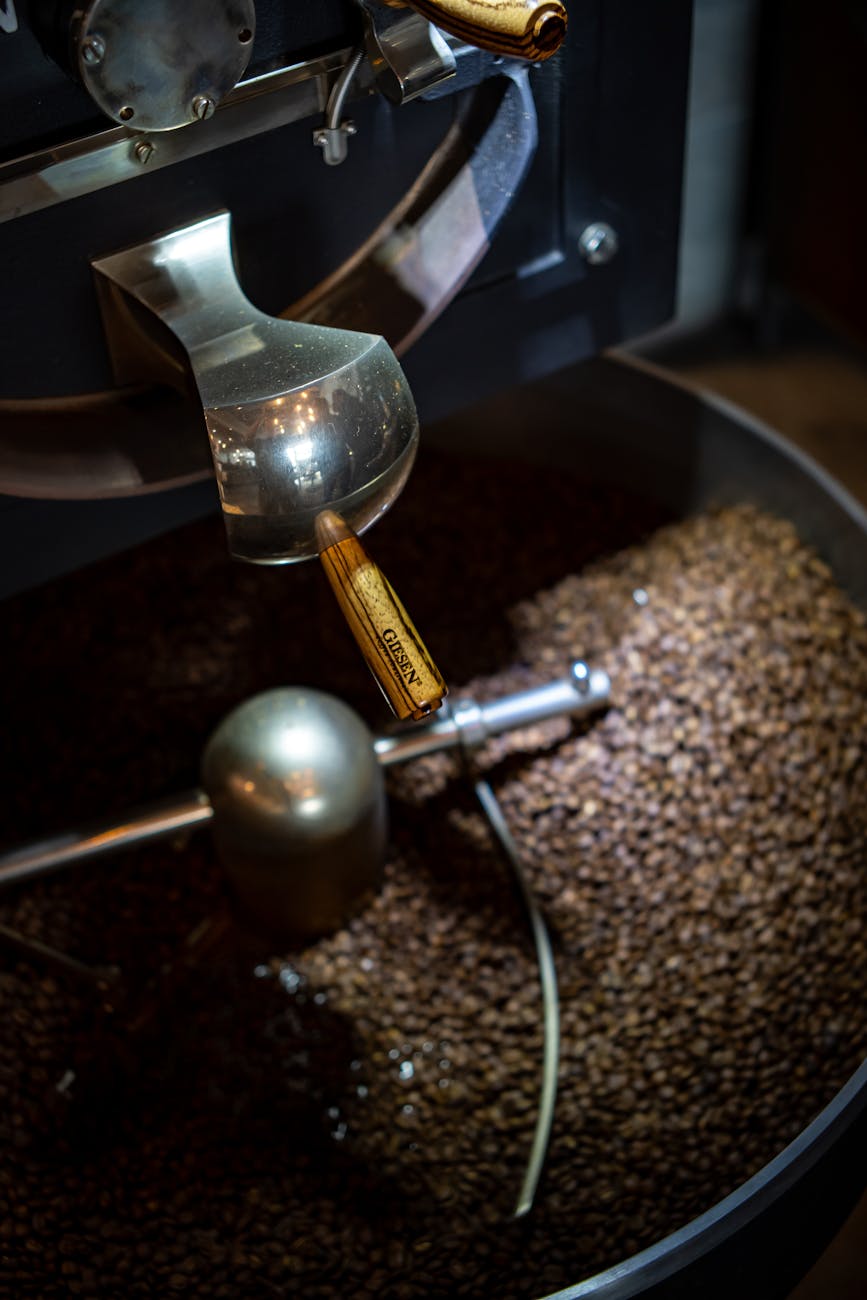
The Gaggia Velasca is a fantastic super-automatic espresso machine, designed to bring the convenience of café-quality coffee into your home. Its built-in grinder and automated brewing process promise a perfect shot at the touch of a button. However, many owners find their results can be inconsistent, often blaming the machine itself. The culprit is frequently an overlooked yet crucial ingredient: the coffee beans. The freshness of your beans has a profound impact on every aspect of the extraction process, from the richness of the crema to the complexity of the flavor. This article will explore the science behind bean staling, how it directly affects your Velasca’s performance, and provide practical steps to ensure you are unlocking the true potential of your machine for a truly exceptional espresso experience.
The science of staling: What happens after roasting
Once coffee beans are roasted, a countdown begins. Two main processes start to degrade their quality: degassing and oxidation. Understanding these is key to understanding your espresso.
Degassing is the release of carbon dioxide (CO2) and other gasses that build up inside the bean during the roasting process. In the first few days after roasting, this process is very active. While some degassing is necessary, this CO2 is also the magic ingredient behind a thick, stable, and beautiful crema. Crema is essentially an emulsion of coffee oils and microscopic bubbles of CO2. As the beans age and lose their CO2, the potential for producing a rich crema diminishes significantly.
Oxidation is the enemy of flavor. As soon as roasted beans are exposed to oxygen, the delicate aromatic oils and soluble compounds begin to break down. These compounds are responsible for the wonderful tasting notes in coffee, whether it’s the bright citrus of an Ethiopian bean or the chocolatey notes of a Brazilian. Oxidation replaces these nuanced flavors with stale, woody, and often bitter tastes. Proper storage in an airtight container can slow this process, but it cannot stop it.
How stale beans impact your Gaggia Velasca’s extraction
The Gaggia Velasca is a precision instrument, but it cannot create flavor and body from beans that no longer possess them. Stale beans directly sabotage the machine’s ability to pull a good shot. You will notice several tell-tale signs.
First is the crema. As mentioned, beans that have lost their CO2 will produce a thin, pale, and bubbly crema that disappears within seconds. It’s the first visual cue that your beans are past their prime. Second, the extraction itself will be problematic. Old beans become more brittle and dry. When the Velasca’s grinder processes them, it creates an inconsistent grind with excess fine particles. Furthermore, the puck lacks density, causing the pressurized water to rush through it too quickly. This results in a fast, watery shot, a phenomenon known as channeling. The espresso will taste sour and weak, a clear sign of under-extraction.
Many users try to compensate for these fast shots by setting the grinder to its finest setting. While this may slow the shot down, it often leads to a bitter, harsh taste from over-extracting the few remaining flavor compounds. Ultimately, you’re fighting a losing battle; the problem isn’t the machine’s setting, but the raw material itself.
Finding fresh beans and adjusting your machine
The solution is simple: use fresh beans. But what does “fresh” mean? Forget the “best by” date on a supermarket bag. That date can be a year or more after roasting. The single most important piece of information is the “roasted on” date.
- The ideal window: For an espresso machine like the Velasca, the sweet spot is typically between 5 and 21 days after the roast date. The first few days allow for excessive gasses to escape, and after three weeks, the effects of oxidation become much more noticeable.
- Where to buy: Your best bet is a local coffee roaster. They can tell you exactly when the beans were roasted. Reputable online specialty coffee retailers are also excellent options, as they often roast to order.
Once you have a bag of genuinely fresh beans, you may need to adjust your Gaggia Velasca. Fresh beans behave differently. They are denser and contain more moisture and oils. You will likely need to use a coarser grind setting than you did for the stale beans. Start in the middle of the range (a 3 or 4 on the Velasca’s dial) and see how the shot pulls. Aim for a total extraction time of around 20-30 seconds for a standard double shot. Fine-tune the grind one step at a time to achieve this.
A practical guide to dialing in your Velasca
Dialing in your machine is a process of small adjustments. With fresh beans, you have a much wider margin for error and a much higher ceiling for quality. The goal is to balance the grind size and dose (controlled by the “aroma strength” or bean icons) to achieve a balanced extraction that is neither sour (under-extracted) nor overly bitter (over-extracted). Use the table below as a quick troubleshooting guide as you get used to working with fresh coffee.
| Symptom | Potential bean-related cause | Gaggia Velasca adjustment |
|---|---|---|
| Watery, fast shot (<15 seconds) | Grind is too coarse, or beans are very stale. | Use a finer grind setting. If already at finest, replace beans. |
| No crema or thin, pale crema | Beans are old and have lost their CO2. | Use freshly roasted beans (within 3 weeks of roast date). |
| Shot is choked, drips slowly (>35 seconds) | Grind is too fine for the fresh beans. | Use a coarser grind setting. |
| Sour, acidic taste | Under-extraction. Could be a fast shot or beans are too fresh (roasted <3 days ago). | Try a finer grind. If beans are extremely fresh, let them rest another day or two. |
In conclusion, while the Gaggia Velasca is a highly capable super-automatic machine, it is fundamentally governed by the principle of “quality in, quality out.” No amount of technological sophistication can compensate for stale, lifeless coffee beans. By understanding the processes of degassing and oxidation, you can appreciate why freshness is not just a preference but a technical requirement for good espresso. Sourcing beans with a recent “roasted on” date and making small, informed adjustments to your grinder will completely transform your coffee experience. Making this simple switch is the single most effective step you can take to elevate your home coffee from mediocre to magnificent, unlocking the delicious, café-quality potential that your Gaggia Velasca was built to deliver.
 No products in the cart.