

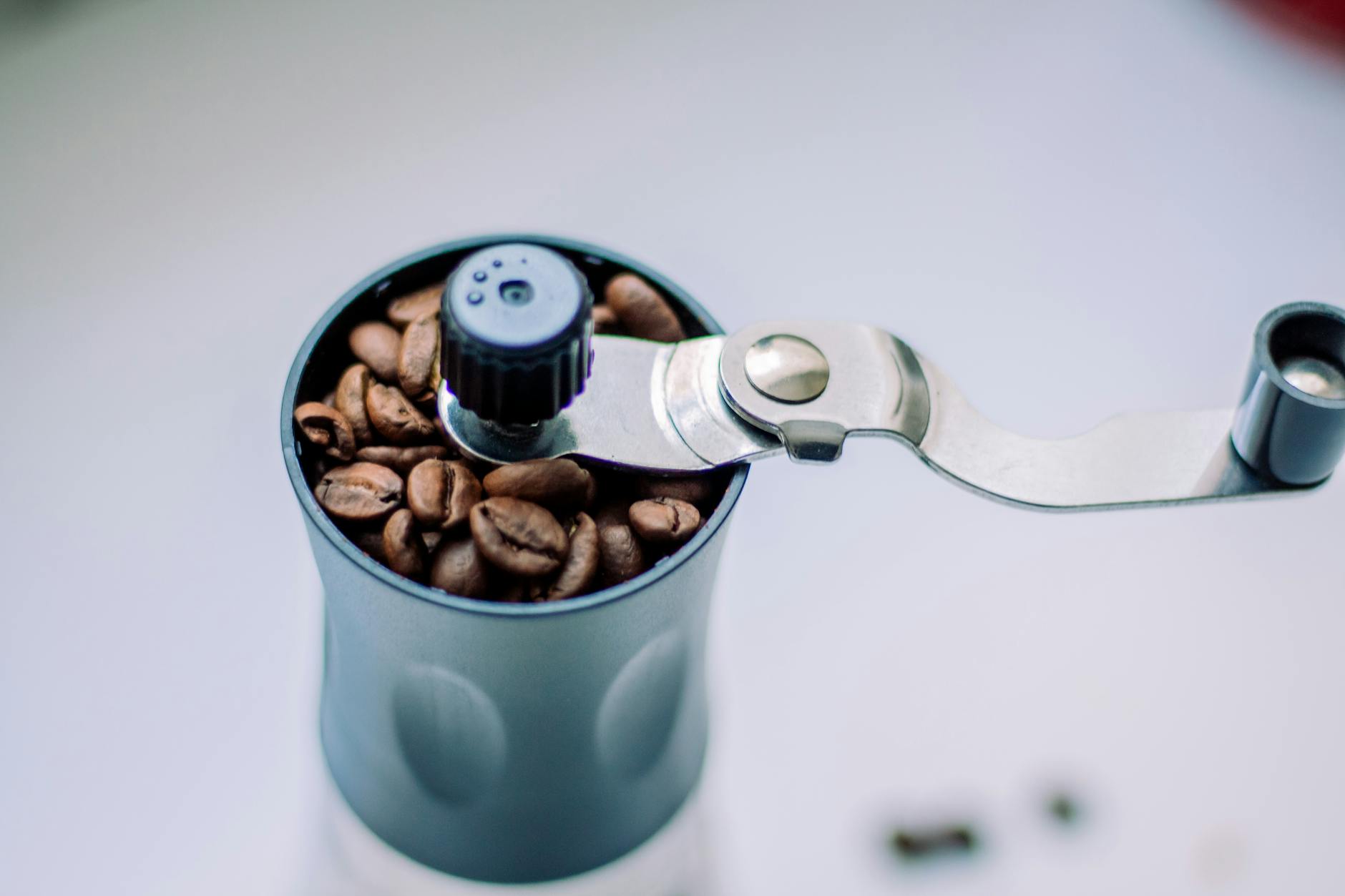
Keep your brew perfect: A guide to maximizing the lifespan of your Gaggia Anima Prestige ceramic grinder
The Gaggia Anima Prestige is more than just a coffee machine; it’s an investment in your daily ritual. At the very heart of its performance lies the 100% ceramic grinder, a component engineered for consistency and flavor preservation. While robust, this grinder is not invincible. Its longevity and ability to produce the perfect grind for your espresso depend directly on your care and attention. This guide is dedicated to providing you with the essential knowledge to protect this vital component. We will explore the fundamentals of the ceramic grinder, delve into best practices for usage and bean selection, outline a comprehensive cleaning regimen, and provide solutions for common issues, ensuring your Anima Prestige serves you flawlessly for years to come.
Understanding the heart of your machine
Before we dive into maintenance, it’s important to understand why Gaggia chose a ceramic grinder for the Anima Prestige and how it functions. Unlike metal grinders, ceramic burrs excel at minimizing heat transfer during the grinding process. This is critical because excess heat can scorch the coffee grounds before they are even brewed, introducing a bitter, burnt taste to your final cup. Ceramic’s hardness also ensures a highly consistent grind size and exceptional durability over time. The grinder works by crushing beans between two revolving abrasive surfaces, or burrs. Over time, the primary enemies of these burrs are friction from normal use, the buildup of coffee oils, and the accidental introduction of foreign objects. A thick layer of oil residue can force the motor to work harder, leading to strain, while a small stone can chip a burr instantly. Understanding these vulnerabilities is the first step toward effective preventative care.
The foundation of longevity: Proper usage and bean selection
The lifespan of your grinder begins with what you put into it and how you operate it. Not all coffee beans are created equal, and some can be particularly harsh on super-automatic machines. We strongly recommend avoiding extremely oily or flavored beans. While they may smell enticing, the excessive oils and sugary coatings leave a sticky, stubborn residue on the burrs. This buildup clogs the grinding mechanism, forces the motor to strain, and can eventually lead to a blockage. Opt for high-quality, medium-roast beans with a dry or matte finish for optimal performance.
Equally important is how you adjust the grind. A critical rule for the Gaggia Anima Prestige is to only change the grind setting while the grinder is actively running. The adjustment knob, located inside the bean hopper, should be pressed down and turned one notch at a time. Attempting to adjust the setting when the grinder is stationary can cause the beans caught between the burrs to jam the mechanism, potentially damaging the burrs or the motor. This simple habit is one of the most effective ways to prevent unnecessary stress on the grinder assembly.
The essential routine: Cleaning and maintenance
Consistent cleaning is not just about hygiene; it’s the most crucial preventative maintenance you can perform. Coffee grounds and oils will inevitably accumulate, affecting both taste and machine function. Establishing a simple, regular schedule will keep your grinder in peak condition.
Follow these steps for a thorough cleaning:
- Prepare the machine: Turn off and unplug your Gaggia Anima Prestige for safety.
- Empty the hopper: Remove all whole beans from the bean hopper. You may need to tilt the machine slightly to get the last few out.
- Clear the burrs: Use a vacuum cleaner with a narrow hose attachment to carefully suction out any remaining beans and loose grounds from the top of the grinder.
- Deep clean: For a deeper clean, it’s highly effective to use grinder cleaning pellets (such as Urnex Grindz) once a month. These are food-safe, gluten-free pellets shaped like coffee beans. Simply run a small capful of them through the grinder on a coarse setting, just as you would with coffee beans. They work by absorbing oil residue and pushing out stale coffee particles. Afterward, grind and discard a small amount of coffee beans (about 30g) to purge any pellet residue.
- Wipe down: Use a soft, dry cloth to wipe the inside of the bean hopper. Never use water or cleaning sprays inside the grinder mechanism, as this will cause rust and damage the components.
To make this routine easy to remember, here is a suggested schedule:
| Frequency | Task | Purpose |
|---|---|---|
| Weekly | Wipe the inside of the bean hopper with a dry cloth. | Removes surface oils and dust. |
| Monthly | Run grinder cleaning pellets through the machine. | Absorbs stubborn oil buildup and dislodges stale grounds. |
| As Needed | Vacuum out the grinder chamber. | Prepares the machine for cleaning pellets or changing bean types. |
Troubleshooting common grinder issues
Even with proper care, you may occasionally encounter an issue. Most problems are directly related to the maintenance topics we’ve discussed and can be easily resolved. If your machine displays a “no beans” error even when the hopper is full, it’s almost certainly a sign of a blockage. This is typically caused by oily bean residue creating a jam in the chute that feeds the burrs. The solution is to perform the deep cleaning routine outlined above, using a vacuum and grinder cleaning pellets to dislodge the clog.
If you notice your espresso shots are pulling too quickly and the coffee seems weak, your grind may have become too coarse. This can happen if the grinder is clogged, preventing it from achieving a finer setting, or in rare cases, if the burrs are worn down after years of heavy use. First, perform a thorough cleaning. If the issue persists, try adjusting the grind one notch finer while the grinder is running. Should you hear any loud, unusual crunching or grinding noises, stop the machine immediately. This often indicates a foreign object like a small stone has found its way into the burrs. Unplug the machine and carefully inspect and vacuum the grinder to locate and remove it before attempting to use it again.
Conclusion
The ceramic grinder in your Gaggia Anima Prestige is a precision instrument designed for excellence. Its lifespan is not a matter of luck, but a direct result of mindful operation and consistent maintenance. By choosing the right beans, adjusting the grind settings correctly, and adhering to a simple but effective cleaning schedule, you actively prevent the primary causes of wear and tear. The monthly ritual of using grinder pellets and the daily habit of using dry beans will pay dividends in both the short-term quality of your coffee and the long-term health of your machine. A small investment of your time protects your significant investment in quality coffee, ensuring that every cup you brew is as delicious as the first for many years to come.



 No products in the cart.