

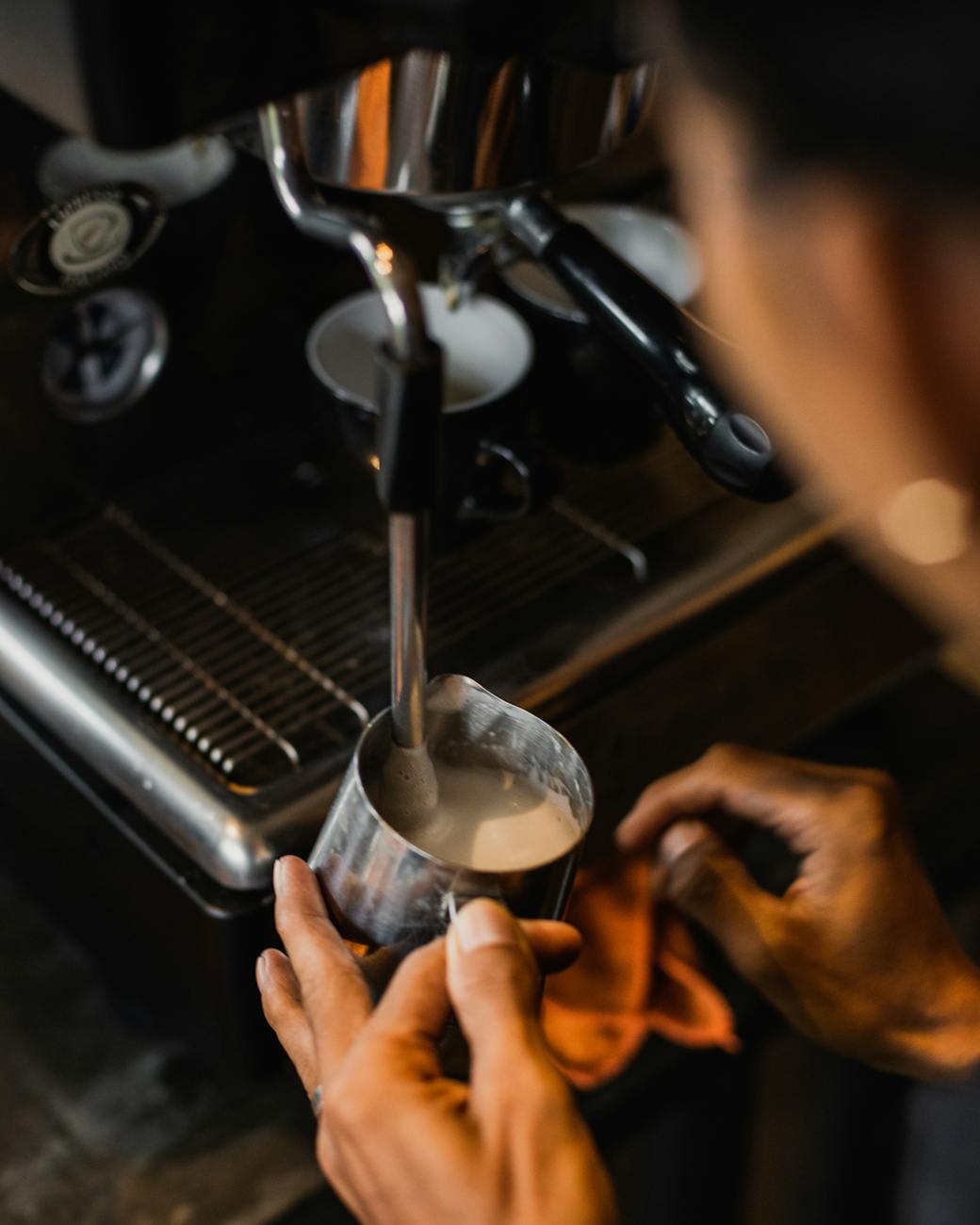
Solving Anima Prestige milk frothing problems: A carafe troubleshooting guide
The Gaggia Anima Prestige is a fantastic machine, celebrated for its ability to deliver a perfect, one-touch cappuccino or latte macchiato right in your kitchen. The integrated milk carafe is the star of this process, automatically frothing and dispensing creamy milk into your cup. However, when it stops working as expected, that morning luxury can quickly turn into a frustrating experience. A common complaint is weak, watery foam or no froth at all. Fortunately, these issues are rarely a sign of a major malfunction. This guide will walk you through the most common causes of milk frothing problems with your Anima Prestige carafe and provide simple, step-by-step solutions to restore its performance.
The foundation of froth: Milk type and temperature
Before we dive into cleaning and maintenance, it’s crucial to address the most fundamental ingredient: the milk itself. The quality of your foam is directly linked to the type of milk you use and its temperature. The frothing process works by injecting hot steam and air into the milk, which agitates the proteins and creates a stable structure of tiny bubbles. For this to happen effectively, the conditions need to be just right.
The best results are consistently achieved with cold, fresh dairy milk. The protein and fat content are key factors. Whole milk generally produces a richer, creamier foam, while skim milk can create a lighter, more voluminous but less stable froth. The most important factor is temperature. Milk must be cold, ideally straight from the refrigerator (around 4°C or 40°F). Starting with cold milk gives the steam more time to create the vortex and texture the milk before it gets too hot. If the milk is warm to begin with, it will scald before a proper foam can be developed.
If you prefer non-dairy alternatives like oat, almond, or soy milk, be aware that results can vary significantly. These milks have different protein structures. For best performance, always opt for a “barista edition” of your preferred plant-based milk. These versions are specially formulated with added stabilizers and proteins to froth more like dairy milk.
Deep cleaning the milk carafe
This is, without a doubt, the number one cause of frothing issues on the Anima Prestige. While the machine has a convenient quick-clean cycle that flushes the spout with hot water, it is not a substitute for regular, thorough disassembly and cleaning. Over time, milk residue, a combination of fat and protein, builds up inside the small channels of the carafe lid. This buildup hardens and obstructs the path of milk and steam, preventing the system from creating the pressure needed for proper frothing.
To perform a deep clean, follow these steps:
- Disassemble the carafe lid. Remove the carafe from the machine and pull the milk intake tube out from the bottom of the lid. Next, firmly pull the milk dispensing spout straight out from the front.
- Soak the components. Place all disassembled parts, including the lid, tube, and spout, in a bowl of warm, soapy water for at least 30 minutes. For stubborn buildup, it is highly recommended to use a dedicated dairy circuit cleaner (like Gaggia Milk Circuit Cleaner) as it is specifically designed to break down milk proteins.
- Clean all passages. After soaking, use a small brush to meticulously clean every nook, cranny, and channel. Pay special attention to the small air intake hole and the narrow passages inside the dispensing spout. Ensure you can see clearly through all openings.
- Rinse and reassemble. Thoroughly rinse all parts with clean water to remove any soap or cleaning solution residue. Let them air dry completely before reassembling the carafe lid and reattaching it to the machine.
Performing this deep clean at least once a week will prevent 90% of all frothing-related problems and keep your machine functioning perfectly.
Checking connections and machine settings
If a deep clean doesn’t solve the problem, the issue may lie with the physical connection between the carafe and the machine. A poor seal can cause steam to escape, reducing the pressure available for frothing. When you attach the carafe, make sure it is pushed firmly into place until you feel a solid “click”. The connection should be flush and secure, with no gaps. A loose or improperly seated carafe is a common and often overlooked cause of weak frothing.
Additionally, the Anima Prestige carafe features a milk froth adjustment dial. This dial controls the amount of air mixed with the steam, directly affecting the texture of the foam. If you are getting hot milk with little to no foam, check its position. Try moving it to the maximum froth setting to see if it improves performance. Sometimes this dial can also become clogged with milk residue, so be sure to pay attention to it during your deep cleaning routine.
Advanced troubleshooting quick guide
If you’ve addressed the milk type and have meticulously cleaned and correctly seated the carafe, but the problem persists, it’s time to consider less common issues. Over time, wear and tear can affect small components, or a lack of general machine maintenance can impact steam production. A scaled-up machine, for example, will struggle to heat water efficiently, resulting in lower steam pressure and poor frothing performance. Regularly descaling your Anima Prestige according to the manufacturer’s instructions is vital not just for your coffee’s taste but for the steam system’s health.
Here is a table to help you quickly diagnose and solve lingering problems:
| Symptom | Potential Cause | Solution |
|---|---|---|
| Watery, hot milk with no foam | Severe blockage in the carafe lid or air intake. | Perform a deep clean, soaking components in a milk circuit cleaner. Use a pin to clear the air intake hole. |
| Weak foam, inconsistent sputtering | Poor carafe connection or a scaled-up machine. | Firmly re-seat the carafe. Perform a full descaling cycle on the machine. |
| Milk is not being drawn from the carafe | Milk intake tube is blocked, not inserted correctly, or there is an air leak. | Ensure the intake tube is clean and pushed all the way into the lid. Check the small O-ring on the machine’s connector for damage. |
| Froth quality has slowly degraded over time | Gradual scale buildup in the machine’s thermoblock. | Increase the frequency of your descaling routine, especially if you have hard water. |
If you’ve tried all these steps and are still facing issues, it might be time to inspect the small O-rings and gaskets for wear or consider contacting Gaggia support for further assistance.
In conclusion, a non-performing milk carafe on your Gaggia Anima Prestige is almost always a solvable issue. By starting with the basics—using fresh, cold milk—and committing to a regular, thorough cleaning routine, you can prevent most problems before they start. Remember that the machine’s quick-clean function is for daily rinsing, not deep cleaning. Disassembling the carafe lid and soaking the components is the key to removing stubborn milk residue. If problems persist, checking the physical connection and maintaining your machine’s overall health through regular descaling will address the deeper causes of poor steam pressure. With a little care and attention, you can ensure your Anima Prestige continues to deliver delicious, perfectly frothed milk for your favorite coffee drinks for years to come.


 No products in the cart.