

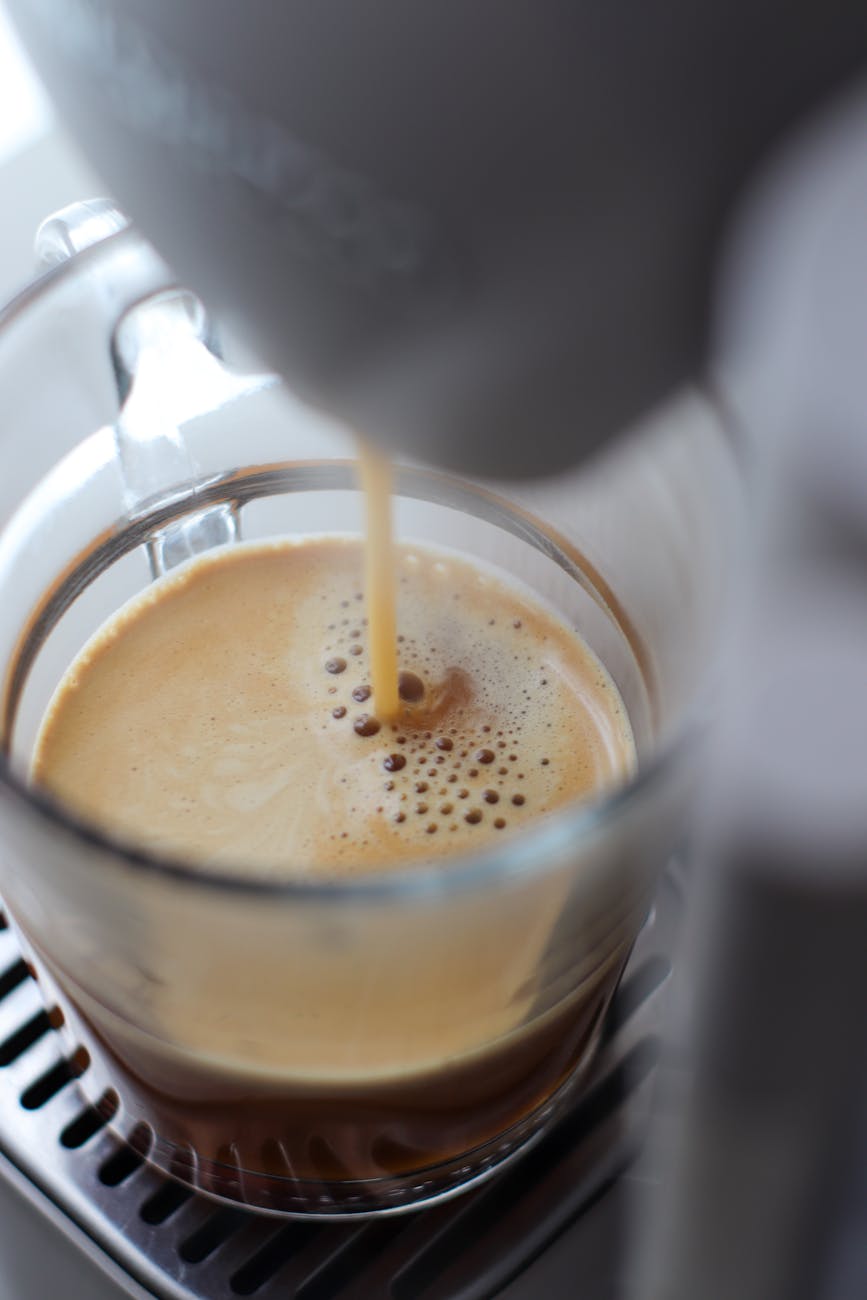
Unlock amazing flavor: The importance of cup warming for super-automatics
Investing in a super-automatic espresso machine is a commitment to quality, convenience, and the daily ritual of a perfect coffee. You select the finest beans, dial in the grind, and anticipate that rich, aromatic shot. Yet, a surprising number of users overlook a simple, crucial step that can dramatically impact the final result: warming the cup. This seemingly minor detail is far from trivial. It’s a fundamental principle of coffee chemistry that separates a good espresso from a truly exceptional one. This article will delve into the science behind why a pre-heated cup is non-negotiable for anyone serious about their coffee, exploring its effects on flavor, aroma, and the all-important crema, turning your good coffee into a great one.
The science of temperature shock
Espresso is a delicate beverage, brewed at a precise temperature (typically between 195-205°F or 90-96°C) to extract the perfect balance of oils, sugars, and acids from the coffee grounds. However, the journey from the machine’s spout to your lips is fraught with thermal peril. A standard ceramic or porcelain cup sitting at room temperature (around 68°F or 20°C) is a massive heat sink. When the small volume of hot espresso hits this cold surface, it experiences thermal shock.
This rapid temperature drop can be significant, instantly cooling your espresso by 10-20°F (5-10°C) or more. This isn’t just a matter of the coffee not being hot enough to drink; it fundamentally alters the chemical composition you worked so hard to achieve. The delicate balance of flavors is disrupted before you even take your first sip. Think of it like pouring a hot sauce onto a cold plate—the initial sizzle is lost, and the consistency changes. For espresso, this shock is the first step toward a muted and disappointing experience.
How temperature impacts flavor and aroma
The immediate consequence of thermal shock is a direct assault on your coffee’s flavor profile. Our taste buds perceive flavors differently at various temperatures. When espresso cools too quickly, the more delicate and sweet notes—like caramel, chocolate, and fruit—become suppressed. In their place, the sour and acidic flavors become more prominent and unbalanced, leading to a harsh or overly sharp taste. The complex, layered experience that a good bean promises is flattened into a one-dimensional, often unpleasant, sourness.
Aroma is equally affected. Much of what we “taste” is actually what we smell. The wonderful aroma of fresh espresso is created by volatile organic compounds that are released by the heat. A cold cup acts like a lid, trapping these compounds and preventing them from reaching your nose. By using a warm cup, you maintain the espresso’s optimal temperature, allowing these aromatic compounds to volatilize properly. This creates a full sensory experience where the rich scent of the coffee complements and enhances its taste, just as the roaster intended.
| Attribute | Result in a Warm Cup | Result in a Cold Cup |
|---|---|---|
| Flavor | Balanced, sweet, complex notes are preserved. | Acidity and sourness are over-emphasized, flavors are muted. |
| Aroma | Rich and fully expressed as volatile compounds are released. | Stifled and weak, as compounds remain trapped in the liquid. |
| Body/Mouthfeel | Silky, rich, and viscous. | Thinner and less satisfying. |
| Aftertaste | Pleasant, lingering, and sweet. | Often sharp, sour, or quickly dissipating. |
Preserving the perfect crema
Crema, the beautiful reddish-brown foam that sits atop a shot of espresso, is more than just decoration. It’s a delicate emulsion of coffee oils, proteins, and microscopic CO2 bubbles formed under high pressure. This layer contributes significantly to the espresso’s mouthfeel and acts as a protective blanket, trapping the precious aromas within the liquid below.
Unfortunately, crema is incredibly fragile and temperature-sensitive. When it hits the cold surface of an unheated cup, the bubbles collapse almost instantly. The oils congeal, and the beautiful, thick layer you just created dissipates into a thin, sad-looking slick. A pre-warmed cup provides a stable, welcoming environment. It allows the crema to settle and stabilize, maintaining its structure, thickness, and longevity. This results in a more visually appealing espresso and, more importantly, a richer texture and a more aromatic first sip as your nose breaks through that creamy barrier.
Practical ways to warm your cups
Fortunately, incorporating cup warming into your routine is simple and requires minimal effort. There are several effective methods to choose from, depending on your machine and your preference.
- Use the machine’s passive warmer: Many super-automatic machines have a heated metal plate on top designed for this very purpose. While convenient, these are often “passive” warmers that use residual heat from the boiler. For best results, turn your machine on 15-20 minutes before you plan to use it and place your cups upside down on the tray to allow them to heat up thoroughly.
- The hot water rinse: This is the fastest and most effective method. Before you brew your shot, dispense hot water from your machine’s steam wand or dedicated spout directly into your cup. Let it sit for 20-30 seconds while the machine grinds the beans, then discard the water and dry the cup just before brewing. This brings the ceramic to an ideal temperature almost instantly.
- Use a kettle or hot tap water: If your machine doesn’t have a hot water dispenser, simply use a kettle or run the cup under the hottest water from your tap. The principle is the same: get the cup hot, then empty and dry it right before the espresso is dispensed.
Whichever method you choose, the key is consistency. Make it a non-negotiable part of your coffee-making process.
In conclusion, the simple act of warming your cup is one of the most impactful changes you can make to elevate your super-automatic espresso experience. It’s a technique used by every professional barista for a reason. By preventing thermal shock, you are actively preserving the delicate balance of flavors, unlocking the full aromatic potential of your coffee beans, and ensuring a stable, long-lasting crema. This small, effortless step protects your investment in both a quality machine and premium coffee. It transforms your daily coffee from a simple, convenient beverage into a rich, complex, and deeply satisfying sensory ritual. Don’t let a cold cup be the weak link in your chain; take a few extra seconds to warm it up and taste the remarkable difference for yourself.

 No products in the cart.