

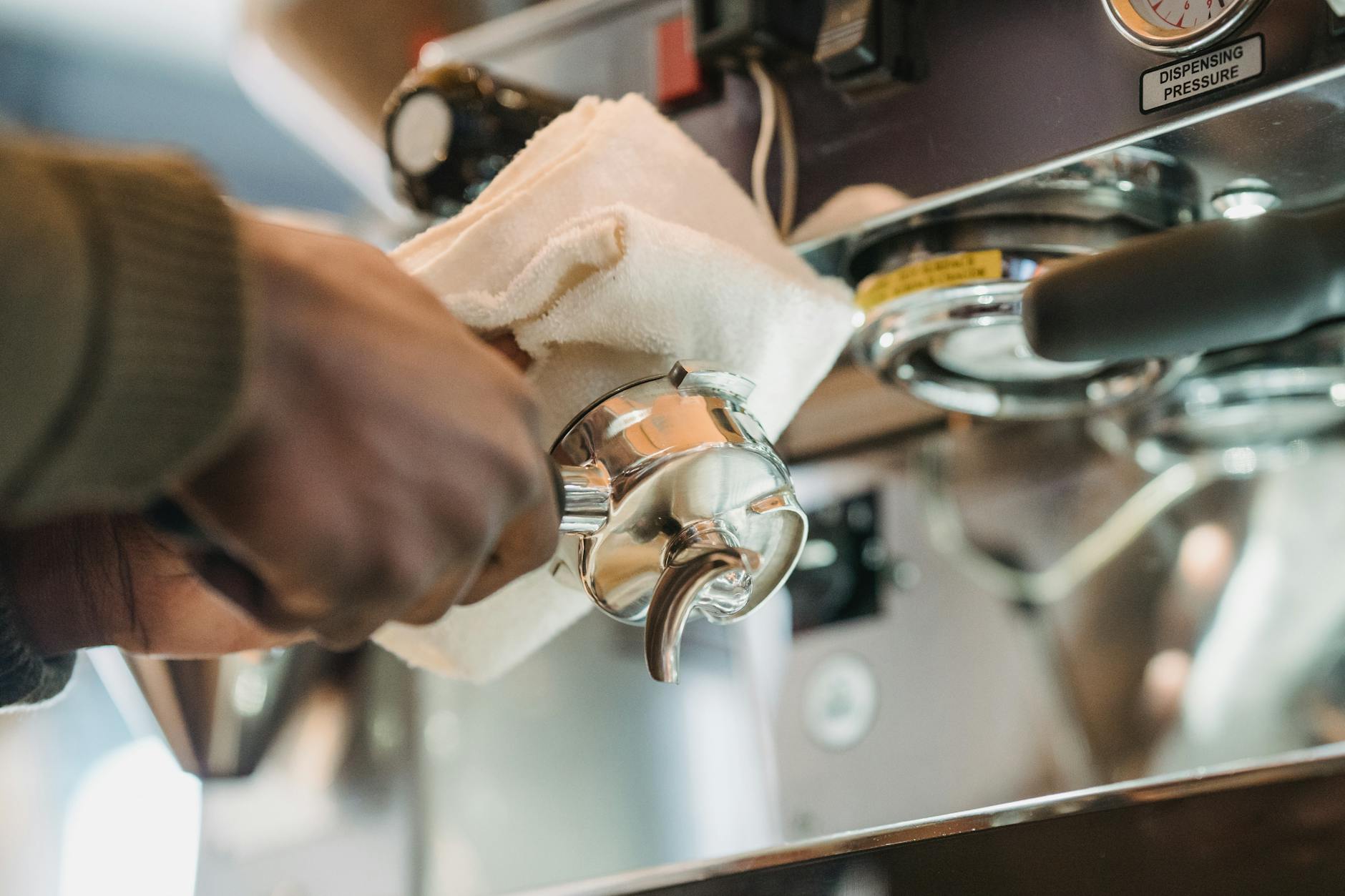
A perfectly brewed cup of coffee is a daily ritual for millions, but that ritual can quickly turn frustrating when your trusty coffee machine starts to sputter, drip, and produce a weak, slow stream of coffee. While many users are diligent about descaling their machines, they often overlook a critical, hidden component: the internal coffee funnel. This small passage, responsible for guiding ground coffee from the grinder to the brew unit, is a common culprit for clogs and poor performance. Over time, a buildup of coffee oils and fine grounds can create a stubborn blockage, impacting not only the flow but also the taste of your coffee. This article will guide you through why this happens, how to spot it, and the simple steps to clean your coffee funnel for a perfect brew every time.
Why the coffee funnel clogs and why it matters
To appreciate the importance of a clean coffee funnel, it helps to understand its function and what goes wrong. In most automatic coffee machines, especially super-automatics, the funnel is the pathway that transports freshly ground coffee into the brew group where extraction happens. Every time you brew, this small channel is exposed to two primary clogging agents: coffee oils and fine coffee particles.
Coffee beans naturally contain oils that are released during the grinding process. These oils are sticky and, over time, they coat the inside of the funnel, creating a tacky residue. Fine coffee grounds, or “fines,” then stick to this oily layer, building up and hardening with each brew cycle. This problem is particularly pronounced with dark, oily roasts, as they release significantly more surface oil. Add the steam and moisture from the brewing process, and you have the perfect recipe for a dense, cement-like clog.
A clogged funnel has several negative consequences:
- Poor extraction: Restricted water flow means the water can’t saturate the coffee grounds properly, leading to a weak, watery, and under-extracted cup of coffee.
- Bad taste: The oils trapped in the funnel eventually go rancid, imparting a bitter and stale taste to every cup you brew, no matter how fresh your beans are.
- Machine strain: The machine’s pump has to work harder to push water through the blockage, which can lead to premature wear and tear on internal components.
- Error codes: Many modern machines have sensors that can detect flow issues, which may trigger error messages and prevent the machine from operating at all.
Spotting the signs of a clogged funnel
Before you can fix the problem, you need to correctly diagnose it. A clogged coffee funnel often presents symptoms that can be easily mistaken for other issues, like the need for a descaling cycle. However, there are a few telltale signs that point specifically to a blockage in the grounds’ pathway. The most obvious indicator is a change in the coffee flow itself. Instead of a steady, consistent stream, you might see a slow, hesitant drip or a sputtering flow that struggles to fill your cup.
Pay attention to the sounds your machine makes. A machine struggling against a clog might sound strained, with the pump making a louder or higher-pitched noise than usual. Another major clue is the taste of your coffee. If you are using fresh, high-quality beans but your coffee suddenly tastes unusually bitter or stale, it is highly likely that rancid oil buildup in the funnel is contaminating the flavor. For espresso machines, check the discarded coffee pucks. If they are soupy, watery, or misshapen, it can indicate that water isn’t passing through the system correctly, with the funnel being a likely starting point for the issue.
A step-by-step guide to cleaning the coffee funnel
Cleaning the coffee funnel is a straightforward process that requires only a few simple tools and a little bit of time. Before you begin, it is crucial to unplug your coffee machine from the power source to ensure your safety.
1. Gather your supplies: You will need a soft, dry brush (a dedicated coffee machine brush or a new, clean toothbrush works well), a flexible pipe cleaner, and a flashlight to see inside the narrow channel.
2. Locate and access the funnel: The location varies by machine. On most super-automatic espresso machines, the funnel is located behind the removable brew group. You can often see it by looking up into the cavity where the brew group sits. On some models, it is also accessible through the pre-ground coffee chute or “bypass doser.” Consult your machine’s manual if you are unsure.
3. Perform a dry clean: Using your flashlight to see, insert the dry brush up into the funnel and use a twisting and scrubbing motion to dislodge as much of the caked-on dry grounds as possible. You might be surprised at how much comes loose. Be gentle but firm to break up the blockage.
4. Clear the passage: Once you have removed the bulk of the dry debris, use the pipe cleaner to work deeper into the funnel. This flexible tool can navigate the curves of the channel and break up any stubborn clogs that the brush couldn’t reach.
5. Address oily residue: If significant oily residue remains, you can use a coffee machine cleaning tablet. Break a tablet into pieces, place a piece in the funnel, and carefully add a few drops of hot water to create a paste. Use your brush to scrub the paste around the funnel walls to break down the oils. Afterwards, ensure you thoroughly wipe the area with a clean, damp cloth to remove all cleaning residue, followed by a dry cloth. Never pour large amounts of water into the grinder or funnel area.
Prevention is better than a cure: Maintaining a clear funnel
Once your coffee funnel is clean, you can prevent future clogs with a simple and consistent maintenance routine. Regular upkeep takes far less time and effort than dealing with a complete blockage. The key is to stop the buildup of oils and grounds before it becomes a problem. A weekly “quick clean” is highly effective. Simply use a dry brush to sweep out the funnel and the area around the brew group to remove any loose grounds. This takes less than a minute but makes a huge difference.
In addition to the quick clean, schedule a more thorough deep cleaning, following the steps in the previous chapter, on a monthly or bi-weekly basis, depending on your usage and the type of beans you prefer. Beans that are darker and oilier will require you to clean the funnel more frequently than light or medium roasts. Integrating this task into your regular machine maintenance, such as when you clean and lubricate your brew group, makes it easy to remember. A proactive approach will not only prevent slow flow but also ensure your coffee always tastes fresh and your machine operates reliably.
Here is a suggested cleaning schedule:
| Task | Frequency for Light/Medium Roasts | Frequency for Oily/Dark Roasts |
|---|---|---|
| Quick Brush-Out | Weekly | Every 3-4 Days |
| Deep Funnel Clean | Monthly | Bi-Weekly |
| Full Machine Descale | As per manufacturer’s recommendation | As per manufacturer’s recommendation |
A clean internal coffee funnel is a non-negotiable part of coffee machine maintenance, yet it remains one of the most neglected. As we’ve seen, this small component is ground zero for the buildup of coffee oils and fine grounds, which directly leads to clogs, slow flow, and a significant decline in the quality and taste of your coffee. The symptoms, from a sputtering stream to a bitter aftertaste, are clear indicators that attention is needed. By understanding the causes and implementing a simple, proactive cleaning routine with a brush and pipe cleaner, you can easily prevent these frustrating issues from ever developing. Taking just a few minutes each month for this essential task ensures your machine performs optimally and consistently delivers the delicious, aromatic coffee you expect.



 No products in the cart.