

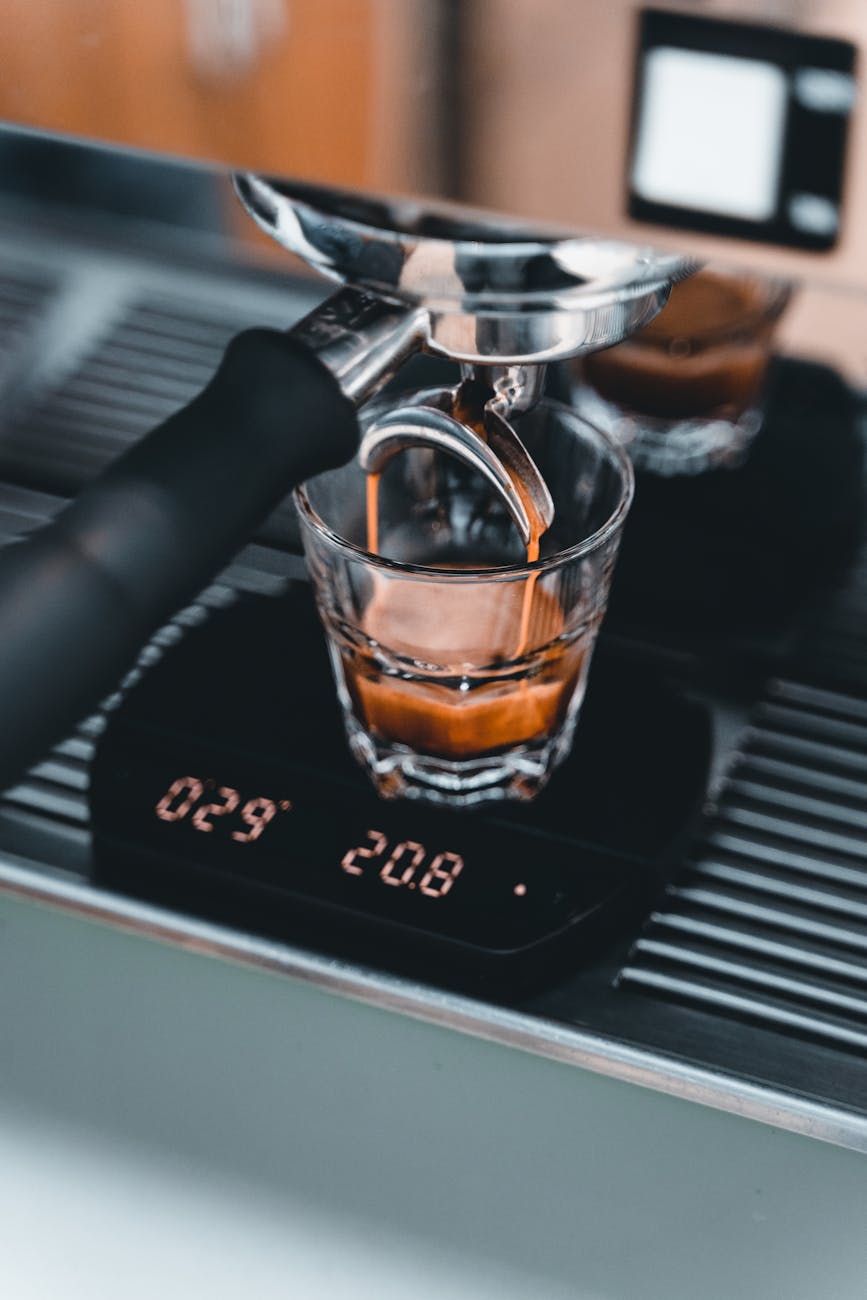
Unlocking better flavor: A guide to Gaggia Anima extraction temperature
The Gaggia Anima is a fantastic super-automatic machine, capable of delivering convenient and tasty espresso at the touch of a button. However, many owners find themselves occasionally pulling a shot that tastes disappointingly sour or excessively bitter. More often than not, the culprit behind this imbalance is the water temperature during extraction. Temperature is one of the most critical variables in brewing coffee, directly influencing which flavor compounds are dissolved from the grounds. Too low, and you get a sharp, acidic shot. Too high, and you’re left with a harsh, burnt taste. This guide will walk you through not only how to adjust the temperature settings on your Gaggia Anima but also the essential techniques to ensure temperature stability for a consistently delicious cup.
Why temperature matters for your espresso
Think of brewing espresso as a controlled chemical reaction. Water acts as a solvent, and its temperature dictates the rate and type of extraction. The ideal temperature range for espresso generally falls between 90-96°C (195-205°F). When the water in your Gaggia Anima is within this sweet spot, it extracts a balanced mix of acids, sugars, and oils from the coffee grounds, resulting in a rich, complex, and flavorful shot.
If the water is too cool, it primarily extracts the acids, which dissolve most easily. This leads to under-extraction, characterized by a distinctively sour, sometimes salty taste and a thin, weak body. Conversely, if the water is too hot, it aggressively strips everything from the grounds, including undesirable bitter compounds. This is known as over-extraction, and it produces a harsh, bitter, and often hollow-tasting espresso with a burnt aroma. The Gaggia Anima gives you the control to steer the extraction away from these faults and toward that perfect balance.
Accessing and understanding the Gaggia Anima temperature settings
Adjusting the brew temperature on the Anima is a straightforward process handled through its programming menu. While the machine is on and in standby mode, press and hold the Aroma Strength/Pre-ground coffee button (the one with the coffee scoop icon) for about six seconds. You will enter the programming menu, where you can cycle through various settings. Use the same button to navigate until you see an icon resembling a thermometer. This is the temperature setting.
You can then use the Espresso and Espresso Lungo buttons to change the setting. The Anima typically offers three levels:
- Min: Low temperature
- Med: Medium temperature
- Max: High temperature
The default setting is usually Medium. Choosing the right one depends heavily on your coffee beans. Darker roasts are more soluble and can become bitter easily, so they often benefit from a Min or Med setting. Light roasts are denser and harder to extract from, requiring more energy. For these, the Max setting is almost always the best choice to avoid sourness.
| Temperature Setting | Best For | Common Taste Profile to Correct |
|---|---|---|
| Min (Low) | Dark Roasts (Italian, French) | Reduces bitterness and harshness |
| Med (Medium) | Medium Roasts, Espresso Blends | Good all-around starting point |
| Max (High) | Light Roasts (Single Origin, Specialty) | Helps extract sweetness and avoid sourness |
Pre-heating and temperature stability techniques
Changing the internal setting is only half the battle. The biggest enemy of good espresso is temperature loss. When you brew your first shot of the day, the internal brew group and the path the water travels are cold. This can cause the brew water to lose several degrees of heat before it even hits the coffee, leading to an under-extracted shot no matter what setting you’ve chosen. The solution is simple but crucial: pre-heating.
Before pulling your first espresso, perform a warming flush. You can do this in two ways:
- Run a hot water cycle through the steam wand. This helps heat the boiler.
- Brew an “empty” shot without coffee (if possible on your model) or simply run an espresso cycle into a cup and discard it. This is the most effective method as it flushes hot water through the entire brew group and spouts, bringing everything up to a stable temperature.
Equally important is pre-heating your cup. A thick, cold ceramic mug can act as a heat sink, instantly dropping the temperature of your fresh espresso by 10 degrees or more. Fill your cup with hot water from the machine’s spout or your kettle and let it sit for a minute before you brew. This simple step preserves the delicate flavors and aroma you’ve worked so hard to extract.
Dialing in: The interplay of temperature, grind, and beans
Improving your espresso is rarely about changing a single variable. Temperature, grind size, and bean choice are all interconnected. Once you’ve set your temperature based on your roast level, you may need to fine-tune your grind to perfect the shot. Remember, the goal is a shot that runs for about 20-30 seconds.
Here’s a simple troubleshooting guide:
- If your espresso is sour and extracts too quickly: You are under-extracting. First, ensure you are on the Max temperature setting (especially for lighter roasts). If you already are, make your grind finer. A finer grind slows the water flow, increasing contact time and extraction.
- If your espresso is bitter and extracts too slowly: You are over-extracting. Try lowering the temperature setting to Med or Min. If the problem persists, make your grind coarser. A coarser grind allows water to flow through more easily, reducing contact time and bitterness.
By learning to balance these elements, you move from simply using the machine to truly commanding it. A change in temperature may require a corresponding small adjustment to the grind to keep the extraction time and taste in the ideal zone.
In conclusion, mastering the espresso from your Gaggia Anima hinges on understanding and controlling brew temperature. While the machine offers a simple three-tiered setting, a truly great shot is achieved by supporting that setting with proper technique. By selecting a temperature appropriate for your coffee roast—higher for light, lower for dark—you set the foundation for a balanced extraction. Furthermore, incorporating crucial pre-heating rituals, like running a warming flush and heating your cup, ensures the thermal stability needed for consistency. Remember that temperature works in tandem with your grind setting. By thoughtfully adjusting these variables together, you can troubleshoot sour or bitter shots and elevate your daily coffee from merely convenient to genuinely exceptional, unlocking the full potential of your machine.

 No products in the cart.