

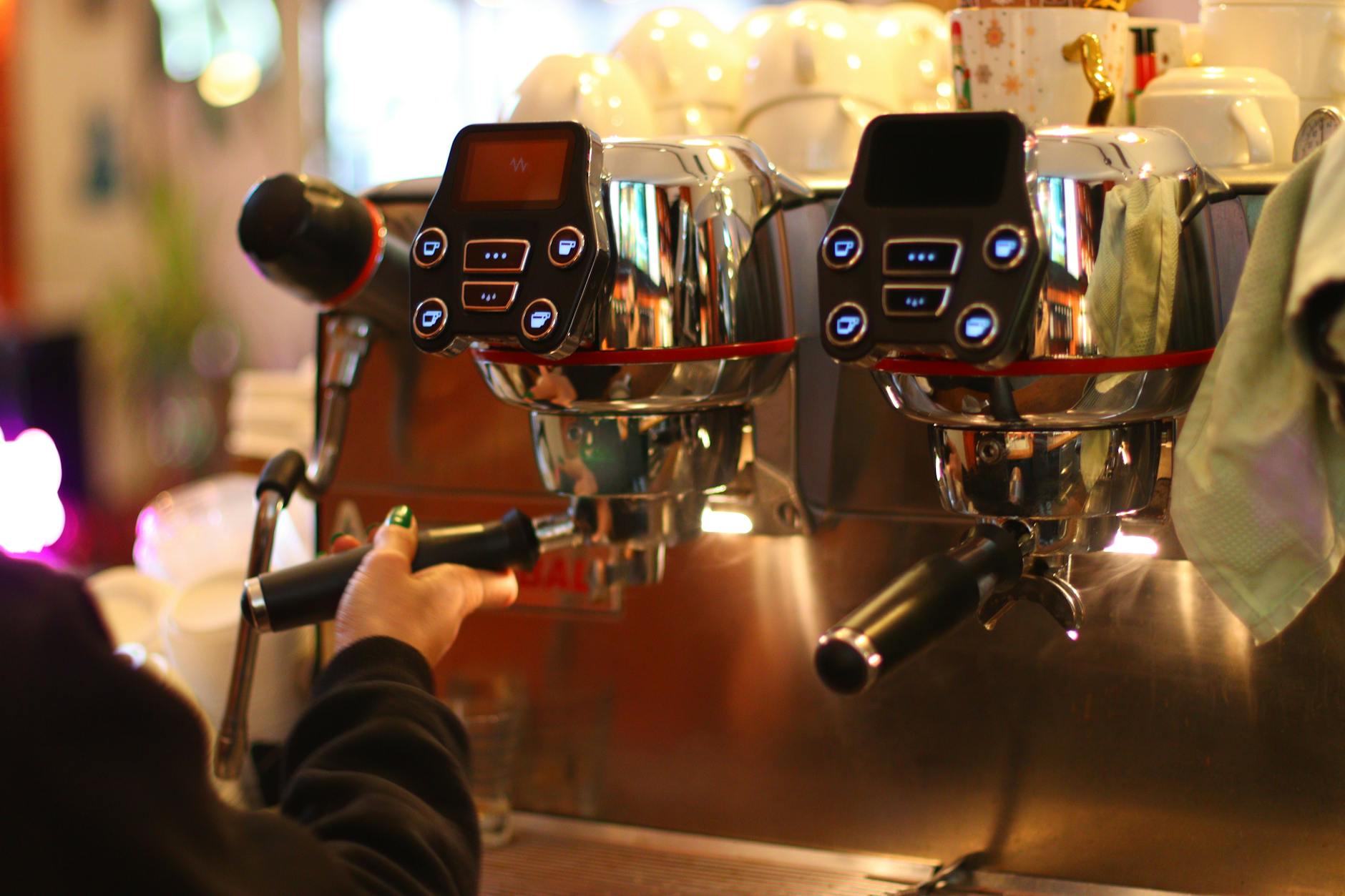
Common gaggia classic pro mistakes beginners make and how to avoid them
The Gaggia Classic Pro is a legendary machine, rightfully earning its place as one of the best entry-level espresso makers on the market. Its robust build, simple design, and ability to produce genuine, café-quality espresso make it a top choice for aspiring home baristas. However, its manual nature means there’s a significant learning curve. New owners often feel frustrated when their initial shots are sour, bitter, or watery. This isn’t the machine’s fault; it’s a capable device that simply requires a bit of knowledge to unlock its full potential. This guide will walk you through the most common mistakes beginners make with the Gaggia Classic Pro and provide clear, actionable steps on how to avoid them.
Ignoring the importance of the grinder
This is, without a doubt, the single biggest mistake a new Gaggia Classic Pro owner can make. Many beginners invest in this fantastic machine only to pair it with pre-ground coffee or a cheap blade grinder. Espresso is an extraction method that is incredibly sensitive to grind size. Without the right grinder, you are setting yourself up for failure before you even turn the machine on.
Pre-ground coffee is a non-starter. Coffee begins to go stale within minutes of being ground, losing its delicate aromas and flavors. More importantly, the grind size is pre-set for a generic machine and will almost certainly be too coarse or too fine for your specific Gaggia, beans, and environment. You will have zero ability to “dial in” your shot, which is the process of adjusting the grind to achieve the perfect extraction time.
A blade grinder is not a suitable alternative. It doesn’t grind coffee; it smashes it with a spinning blade. This results in an inconsistent mix of large chunks (boulders) and fine dust (fines). This unevenness makes a balanced extraction impossible. Water will rush through the large gaps and get stuck in the fine dust, leading to a shot that is simultaneously sour and bitter.
The solution: Invest in a quality burr grinder. A burr grinder uses two revolving abrasive surfaces to crush coffee beans into a uniform size. This consistency is essential for espresso. Whether it’s a capable hand grinder or an electric espresso grinder, this piece of equipment is not an accessory; it is a necessity and just as important as the Gaggia Classic Pro itself.
Inconsistent puck preparation
Once you have a great grinder producing fresh, consistent grounds, the next step is preparing the “puck” of coffee in the portafilter. Small inconsistencies here have a huge impact on the final taste of your espresso. The goal is to create a level bed of coffee with even density so that water flows through it uniformly.
- Incorrect dosing: Using too much or too little coffee is a common error. Over-dosing can cause the puck to press against the shower screen, disrupting water flow and potentially choking the machine. Under-dosing leaves too much headspace, often resulting in a soupy, under-extracted puck. The best practice is to use a scale to weigh your dose. Start with the basket’s recommended dose (e.g., 14-18 grams for a standard double basket) and stay consistent.
- Poor distribution: When grounds come out of the grinder, they often form clumps. If you tamp these clumps down, you create dense spots and empty pockets within the puck. Water will always follow the path of least resistance, a phenomenon called channeling. This means some parts of the coffee will be over-extracted (bitter) and others under-extracted (sour). To fix this, use a simple distribution tool (or even a paperclip) to gently rake through the grounds, breaking up clumps before tamping.
- Uneven or inconsistent tamping: The purpose of tamping is not to press as hard as you can, but to compact the grounds into a level and uniformly dense puck. A crooked tamp will encourage channeling down one side. Focus on applying firm, consistent pressure while keeping your tamper perfectly level with the basket. Consistency is far more important than a specific pressure number.
Mismanaging temperature and pressure
The Gaggia Classic Pro is a simple machine with a small single boiler and a basic thermostat. This design means the water temperature can fluctuate significantly. Furthermore, the stock machine is set to a pump pressure that is higher than the ideal 9 bars for espresso. Managing these two variables is key to elevating your shots from good to great.
The machine’s thermostat has a wide deadband, meaning the temperature can swing by 10-15°C. Brewing at the wrong temperature can make your coffee taste sour (too cold) or bitter (too hot). The technique to control this is called temperature surfing. A simple routine is to flick the steam switch on for about 10-15 seconds to force the boiler to heat up. Then, turn the steam switch off. When the brew-ready light turns off (indicating the thermostat has cut power), immediately start pulling your shot. This ensures you are brewing at a more consistent and elevated temperature point in the heating cycle.
The stock pressure, often set around 12-15 bars, can be too aggressive. It can force water through the puck too quickly and highlight any flaws in your puck preparation, leading to channeling. While beginners should first focus on grind and prep, it’s important to be aware of this. A very popular and simple modification is the “OPV mod,” where you can adjust or replace the Over-Pressure Valve spring to lower the brew pressure to the ideal 9 bars. This is an excellent future upgrade that makes the machine significantly more forgiving.
Neglecting cleaning and maintenance
An espresso machine is not like a drip coffee maker. Old coffee oils and mineral scale build up quickly, which will ruin the taste of your coffee and can eventually damage the machine. A consistent cleaning routine is non-negotiable for both flavor and longevity.
Stale coffee oils become rancid and will impart a bitter, metallic taste to every shot you pull. Limescale from water can clog the boiler, solenoid valve, and shower screen, leading to poor performance and costly repairs. Establishing a simple maintenance schedule from day one is one of the best habits you can form.
Here is a basic routine to follow:
| Frequency | Task | Why it’s important |
|---|---|---|
| After every shot | Purge and wipe the steam wand. Rinse the portafilter and basket. | Prevents milk from hardening on the wand and old grounds from tainting the next shot. |
| Daily | Perform a water-only backflush (using a blind basket). | Clears out loose coffee grounds from the group head and three-way solenoid valve. |
| Weekly or bi-weekly | Backflush with an espresso machine detergent (e.g., Cafiza). | Chemically removes built-up coffee oils that water alone cannot. |
| Every 1-3 months | Descale the machine (frequency depends on water hardness). | Removes mineral scale buildup from the boiler and internal pathways, preventing clogs and ensuring proper heating. |
Conclusion
The Gaggia Classic Pro is a truly rewarding machine that can produce exceptional espresso, but it demands respect for the fundamentals. The journey to a perfect shot is a process of controlling variables. By avoiding these common beginner mistakes, you put yourself on the fast track to success. Remember to prioritize your grinder, as it is the foundation of good espresso. Focus on creating a consistent and repeatable puck preparation routine. Learn to manage the machine’s temperature to unlock better flavors, and commit to a regular cleaning schedule to protect both your coffee’s taste and your investment. Don’t be discouraged by initial failures; they are part of the learning process. With a little patience and attention to detail, your Gaggia Classic Pro will soon be your favorite appliance.


 No products in the cart.