

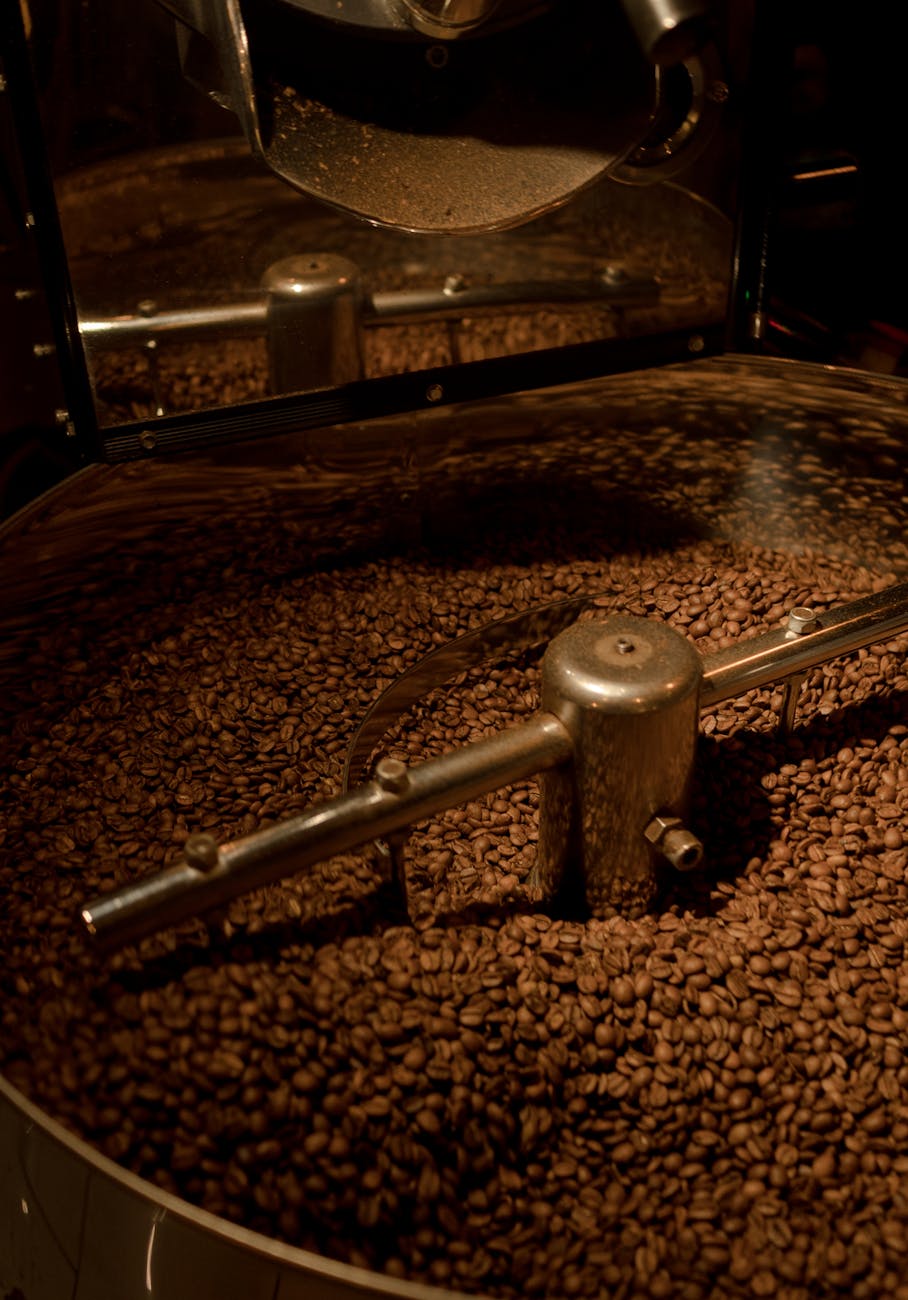
The ultimate guide to dialing in light roast espresso on a Gaggia Classic Pro
Pulling a sweet, balanced shot of light roast espresso can feel like the final frontier for a home barista. These beans, celebrated for their bright, complex, and nuanced flavors, often prove challenging to extract correctly. For owners of the beloved Gaggia Classic Pro, this challenge is particularly acute. The GCP is a fantastic, capable machine, but its stock configuration presents hurdles when working with denser, less soluble light roast beans. This article is your comprehensive guide to overcoming those obstacles. We will walk you through why light roasts are tricky, the essential gear you need, a step-by-step process for dialing in, and how to taste and troubleshoot your shots to achieve that perfect, vibrant extraction you’ve been craving.
Understanding the challenge: Why light roasts are so difficult
Before we can tame the light roast, we must understand what makes it so different from its darker counterparts. While a dark roast is roasted until its internal structure is brittle and porous, a light roast is stopped much earlier in the process. This leaves the bean significantly denser and less soluble. Think of it like trying to dissolve a sugar cube versus granulated sugar; the latter dissolves much more easily.
This density poses several key problems for an espresso machine, especially the Gaggia Classic Pro:
- Higher temperature required: To properly extract the complex sugars and acids from these dense beans, you need higher and, more importantly, stable water temperatures. The stock GCP uses a simple thermostat that causes wide temperature swings, often brewing too cool for light roasts.
- Finer grind needed: To compensate for the lower solubility, you must grind light roast beans much finer than dark roasts. This creates a puck that is highly susceptible to channeling, where water punches holes through the coffee bed instead of flowing through it evenly.
- High stock pressure: The Gaggia Classic Pro comes from the factory with its Over-Pressure Valve (OPV) set to a very high pressure, often 12-15 bars. This high pressure exacerbates channeling with fine grinds, leading to shots that are simultaneously sour (under-extracted) and bitter (unevenly over-extracted).
Essentially, you’re trying to push water through a very resistant, dense puck of coffee, and the stock machine’s high pressure and unstable temperature fight you every step of the way. But with the right tools and techniques, you can bring these variables under your control.
Essential tools and modifications for success
To consistently pull great light roast shots, you need to arm yourself with the right equipment. Some tools are non-negotiable for any kind of espresso, while certain modifications to the Gaggia Classic Pro can transform it from a frustrating machine into a light roast powerhouse.
Your core espresso toolkit:
- A capable grinder: This is the most important piece of equipment you will buy. For light roasts, you need a grinder capable of making very small, precise adjustments (stepless or micro-stepped) and producing a consistent grind. Without this, you will be unable to make the fine-tuned changes necessary.
- A precision scale: You must be able to measure your dose (coffee grounds) and yield (liquid espresso) to an accuracy of 0.1 grams. Consistency is impossible without one.
- WDT tool: A Weiss Distribution Technique tool, which is essentially a set of fine needles, is critical for breaking up clumps in your grounds. This simple tool is your number one defense against channeling.
- Bottomless portafilter: This allows you to see the extraction as it happens. You can immediately diagnose channeling and other puck prep issues, providing invaluable feedback.
Game-changing GCP modifications:
While you can get by without them, these mods make the process infinitely easier and more repeatable.
- The OPV spring mod: This is the most impactful and affordable modification. By swapping the stock spring in the Over-Pressure Valve for a 9-bar or 6.5-bar spring, you lower the maximum brew pressure. This dramatically reduces the likelihood of channeling and produces sweeter, more balanced shots. For light roasts, a 9-bar spring is the standard.
- A PID controller: A PID (Proportional-Integral-Derivative) controller replaces the machine’s basic thermostat. It gives you digital control over the brew temperature, holding it stable to within a single degree. This completely solves the GCP’s temperature instability, a major roadblock for extracting light roasts properly.
The dialing-in process: A step-by-step recipe
With your equipment ready, it’s time to start pulling shots. The key is to change only one variable at a time. Our primary variable for adjustment will be the grind size. We will start with a baseline recipe and adjust from there based on taste.
Step 1: Establish a starting recipe
A good starting point for most light roasts is a longer brew ratio, which helps increase extraction. Let’s begin with this:
- Dose: 18g of coffee beans
- Yield: 45g of liquid espresso in the cup (a 1:2.5 ratio)
- Time: Aim for a total shot time of 28-35 seconds. Remember, time is an output, not an input you control directly. It’s a clue that tells you if your grind is in the right ballpark.
- Temperature: If you have a PID, set it to 94-96°C (201-205°F). If not, you’ll need to “temperature surf” by flicking the steam switch on for about 10 seconds before starting your shot to boost the boiler temperature.
Step 2: Prepare your puck meticulously
This is where your shots are made or broken. Do not rush this process.
- Grind your 18g dose into your portafilter.
- Use your WDT tool to thoroughly stir the grounds, breaking up every single clump and distributing them evenly across the basket.
- Gently tap the portafilter on the counter to settle the grounds into a flat bed.
- Tamp down with firm, level pressure. Ensure the tamp is perfectly flat and not tilted.
Step 3: Pull and observe the shot
Lock in your portafilter, place your scale and cup underneath, and start both the timer and the brew switch simultaneously. Watch the bottomless portafilter. You are looking for the espresso to first appear as a few dark drips that coalesce into a single, steady, centered stream. If you see jets of liquid spraying out (spritzing) or the stream favoring one side, you have channeling. Stop the shot once the scale reads your target yield of 45g and note the total time.
Tasting and troubleshooting your shot
Now for the most important part: tasting. The numbers (time, yield) are just guides; your palate is the final judge. A well-extracted light roast should be sweet, with a vibrant, clear acidity like a piece of fruit, not a sour lemon. It should have a pleasant aftertaste, not a drying, bitter one.
If your shot isn’t perfect, don’t worry. Use its taste to decide what to change next. The primary adjustment you will make is to your grind size.
Use this table as your guide to troubleshooting:
| Taste and observation | Likely cause | The solution |
|---|---|---|
| The shot ran very fast (<25 seconds) and it tastes sour and thin. | Under-extraction. The water flowed through the coarse grounds too quickly to extract enough flavor. | Grind finer. This is the most common first step. Keep your dose and yield the same and try again. |
| The shot ran very slow (>40 seconds) and it tastes bitter, harsh, and dry. | Over-extraction. The water was in contact with the overly fine grounds for too long. | Grind coarser. Make a small adjustment and try again. |
| The time was in the right range (28-35s) but the shot still tastes sour. | Insufficient extraction due to other factors. The grind is likely correct. | Increase the yield (e.g., from 45g to 50g) to pull more sweetness from the puck. Or, if you have a PID, increase the brew temperature by 1-2 degrees. |
| The shot is both sour and bitter at the same time, often with a thin body. | Channeling. Some parts of the puck are under-extracted (sour) while others are over-extracted (bitter). | Focus on puck prep. Your WDT technique is the key here. Ensure there are no clumps and your tamp is level. Sometimes, grinding slightly coarser can make the puck more forgiving. |
Dialing in is a process of small, iterative changes. Pull a shot, taste it, identify the primary flaw, make one adjustment, and pull it again. Eventually, you will find that magical spot where the flavors snap into focus.
Conclusion
Mastering light roast espresso on a Gaggia Classic Pro is a truly rewarding journey. While the beans’ density and the machine’s stock limitations present a genuine challenge, success is entirely achievable. It hinges on recognizing that you’re battling temperature instability and high pressure. By arming yourself with essential tools like a quality grinder and a precision scale, and focusing intently on flawless puck preparation with a WDT tool, you can overcome these issues. For those willing to modify their machine, installing an OPV spring and a PID controller will transform the GCP into a machine that handles light roasts with ease and consistency. Remember to follow a methodical process: start with a baseline recipe, taste critically, and adjust one variable at a time. Be patient, and trust your palate above all else. The result is worth the effort: a beautiful, sweet, and complex cup of espresso that showcases the true potential of both your beans and your machine.


 No products in the cart.