

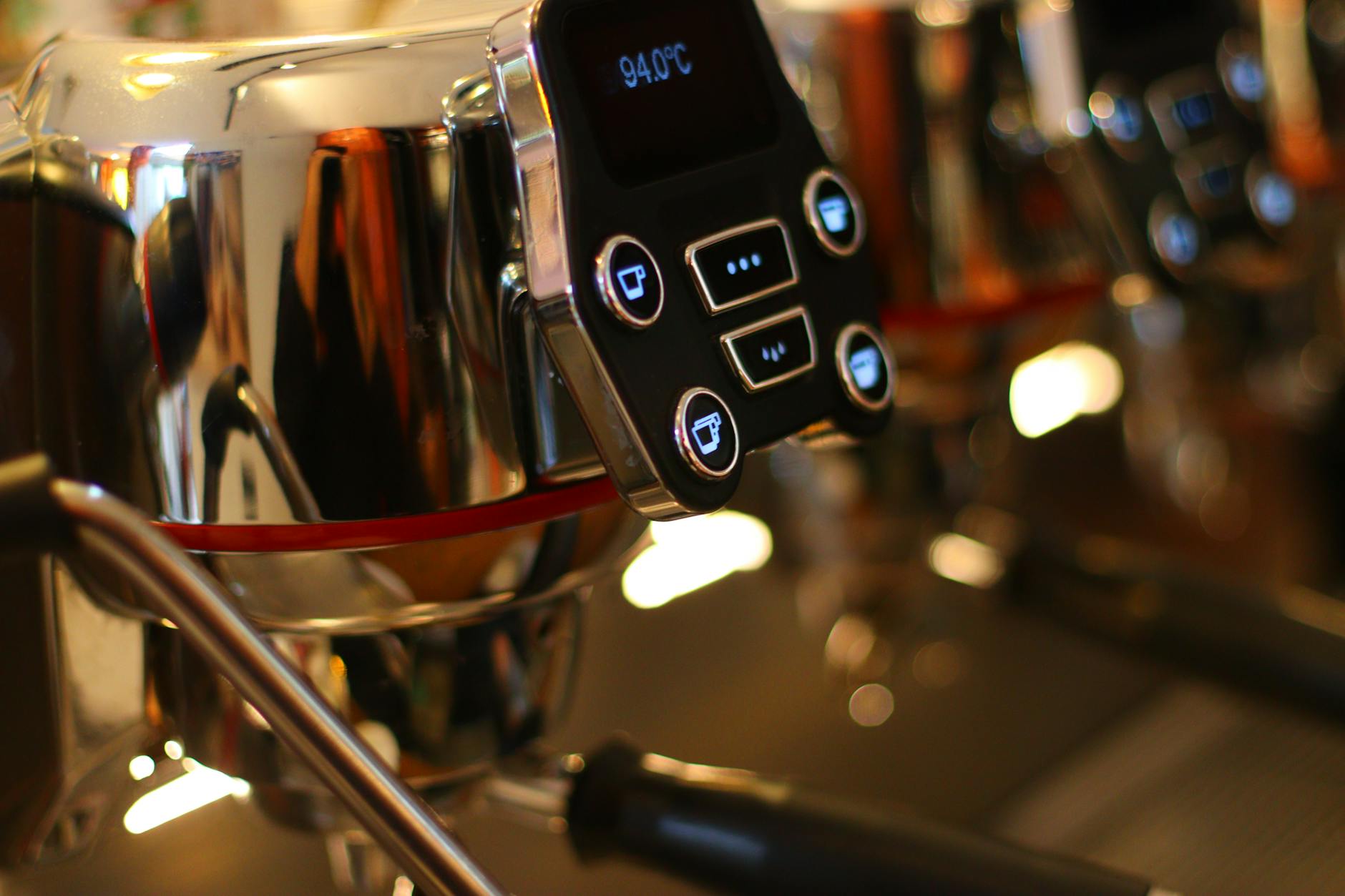
The Gaggia Classic Pro is a legendary machine in the world of home espresso. Its robust build, powerful steam wand, and simple mechanics have made it a favorite for beginners and enthusiasts alike. However, its simplicity is also the source of its biggest challenge: temperature instability. If you’ve ever pulled a shot that was disappointingly sour, followed by one that was shockingly bitter, you’ve experienced the Gaggia’s wide temperature swing. The key to taming this beast and achieving delicious, repeatable espresso is a technique called temperature surfing. This article will be your comprehensive guide to understanding why this is necessary and mastering the steps to pull consistent, cafe-quality shots from your Gaggia Classic Pro every single time.
Understanding the Gaggia’s temperature swing
To master temperature surfing, you first need to understand why it’s necessary. The Gaggia Classic Pro uses a simple, mechanical thermostat to control the temperature of its boiler. Think of it like the thermostat in an old oven. It doesn’t maintain an exact temperature; instead, it operates within a range, often called a “deadband.”
Here’s how it works: the heating element turns on and heats the water in the boiler. When the water reaches the upper limit of the thermostat’s range (for example, 105°C), the brew light on the front of the machine turns off, and the heating element shuts down. The boiler then starts to cool. It will continue to cool until it hits the lower limit of the range (perhaps as low as 90°C), at which point the thermostat clicks back on, the brew light illuminates, and the heating cycle begins again. This creates a temperature swing of 10-15°C, which is massive in the world of espresso. Brewing at the top of this cycle can lead to bitter, over-extracted shots, while brewing at the bottom can result in sour, under-extracted shots.
Temperature surfing is the manual process of timing your brew to “catch the wave” at the same point in this cycle every time, giving you a consistent brew temperature.
The step-by-step guide to heat surfing
This is the most common and reliable method for temperature surfing on the Gaggia Classic Pro. The goal is to start the heating cycle from a known point and then brew a specific number of seconds after the heater turns off. This ensures you are brewing at a consistent, predictable temperature near the top of the heat curve.
- Step 1: Warm up your machine. Turn on your Gaggia Classic Pro with the portafilter locked in for at least 15-20 minutes. This ensures the entire group head and portafilter are thoroughly heated.
- Step 2: Initiate the heating cycle. With the machine fully warmed up, flick on the brew switch for a few seconds to dispense some hot water into a cup. Do this until the brew ready light turns on. This purges cooler water and tells the thermostat that the boiler needs heat. You have now forced the heating cycle to start.
- Step 3: Wait and start your timer. Now, wait for the heating element to do its job. The moment the brew ready light turns off, the boiler has reached its peak temperature. Start a timer on your phone or a small digital timer immediately.
- Step 4: Prepare and brew. During this timed wait, you can grind your beans and prep your puck if you’re quick. The key is to lock in your portafilter and start brewing at a predetermined time. For example, many people find success starting their shot 10 seconds after the light turns off.
By always brewing exactly 10 seconds (or 5, or 15) after the light goes out, you remove the temperature variable and can focus solely on your grind size and puck prep to dial in your shot.
Finding your perfect temperature
The “best” temperature depends on your coffee beans. Lighter roasts generally prefer hotter temperatures to extract their complex flavors, while darker roasts do better with slightly cooler temperatures to avoid bitterness. You can adjust your brew temperature by changing how long you wait after the brew light turns off.
Waiting a shorter time means a hotter brew, as you are closer to the peak temperature when the heating element switched off. Waiting longer allows the boiler to cool more, resulting in a lower brew temperature. Use the following table as a starting point and adjust based on taste.
| Wait time (after light goes off) | Approximate brew temperature | Best for |
|---|---|---|
| 3-5 seconds | High (approx. 96-98°C) | Light roasts, extracting bright and acidic notes. |
| 8-12 seconds | Medium (approx. 93-95°C) | Medium roasts, a great all-around starting point. |
| 15-20 seconds | Low (approx. 90-92°C) | Dark roasts, minimizing bitterness and emphasizing chocolatey notes. |
Advanced tips for ultimate consistency
Once you have the basic technique down, there are a few extra things you can do to lock in your consistency. First, always perform a short “warming flush” right before you lock in your portafilter. Just before you brew, turn on the brew switch for 1-2 seconds without the portafilter. This purges any boiling water from the group head and stabilizes the temperature. Second, be a robot. The key to temperature surfing is repeatability. Whether your wait time is 5 seconds or 15 seconds, make sure you do the exact same routine for every single shot. This process removes temperature as a variable, which is the single biggest step towards achieving repeatable, delicious espresso with the Gaggia Classic Pro. For those who eventually want a hands-off approach, installing a PID (Proportional-Integral-Derivative) controller is the ultimate upgrade, but mastering temperature surfing first is a valuable skill.
In conclusion, the Gaggia Classic Pro is a fantastic and capable espresso machine, but its simple thermostat requires a hands-on approach for the best results. By understanding the concept of its temperature “deadband,” you can see why shot-to-shot consistency can be so elusive. The technique of temperature surfing is the solution. By following a clear, repeatable process—purging water to trigger the heat cycle, waiting for the ready light to turn off, and then timing your shot with precision—you take control of the machine’s biggest variable. This method empowers you to target specific temperatures for different roasts, transforming your espresso from a game of chance into a craft of precision. Practice this technique, and you will unlock the true potential of your Gaggia Classic Pro.

 No products in the cart.