

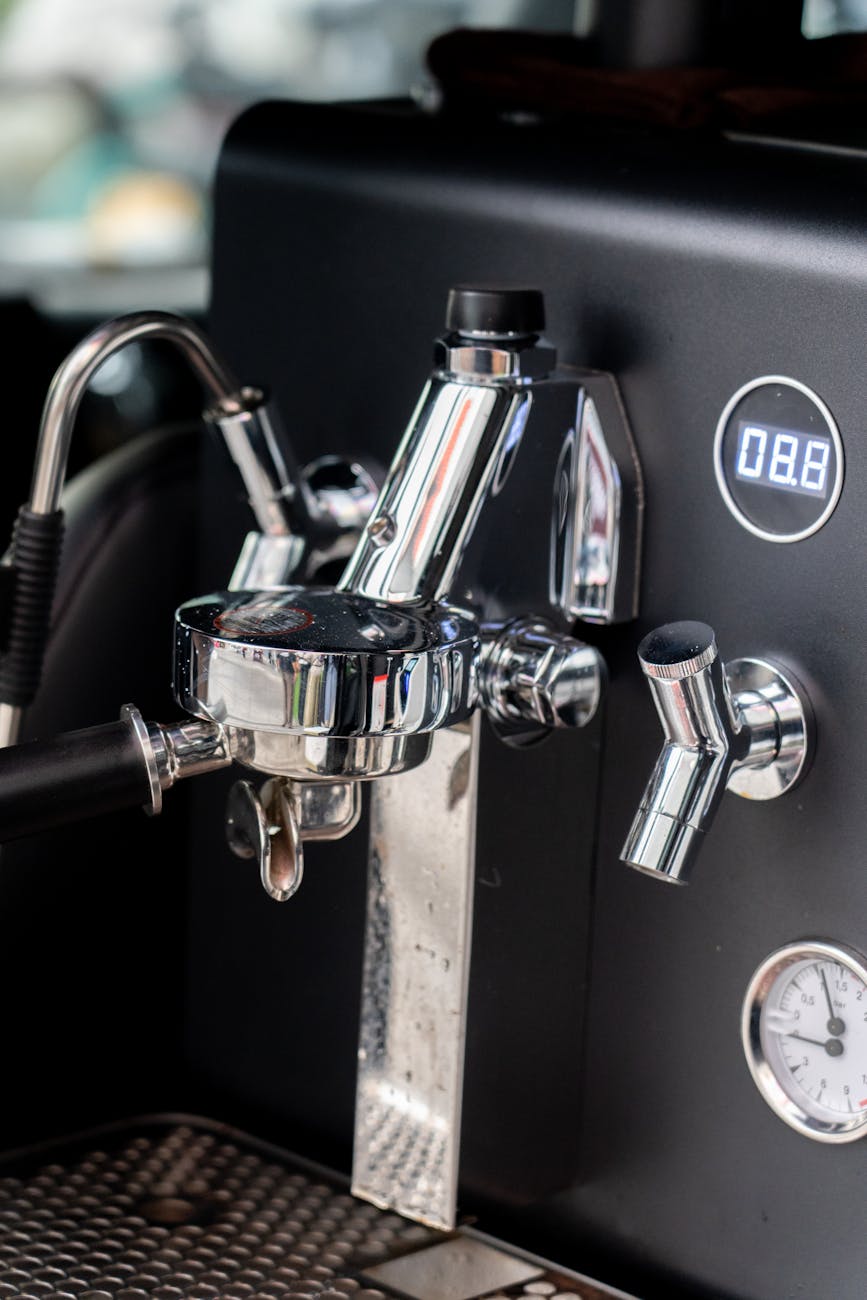
The DeLonghi ECP3420 is a fantastic entry-level espresso machine, offering aspiring baristas a chance to pull rich, flavorful shots at home. However, a common frustration can quickly sour the experience: a leak from the group head during the brewing process. Seeing precious espresso and hot water drip down the side of your portafilter instead of into your cup is disheartening. The good news is that this issue is rarely a sign of a major defect. More often than not, it’s caused by a few simple, correctable factors. This guide will walk you through the most common causes of a leaking ECP3420, from basic maintenance like cleaning the gasket to refining your brewing technique, helping you diagnose and fix the problem for good.
Understanding the source of the leak
Before you can fix the leak, it’s important to understand where it’s coming from and why it happens. On the DeLonghi ECP3420, the most common leak occurs around the rim of the portafilter, right where it meets the main body of the machine, known as the group head. When you lock the portafilter in place, a black rubber ring inside the group head, called a gasket, is supposed to create a watertight seal. The machine then forces hot water through the coffee grounds at high pressure (up to 15 bars). If that seal isn’t perfect, the intense pressure will find the weakest point and force water out, resulting in drips down the side of the portafilter.
This is different from finding a “wet puck” (soggy coffee grounds) after you brew, which can be normal. A true leak is an active drip or stream of water escaping during the brewing cycle. The primary culprits for this failed seal are almost always related to the gasket itself or how the portafilter interacts with it.
Checking and cleaning the group head gasket
The number one cause of a portafilter leak is a dirty or worn-out group head gasket. Over time, fine coffee grounds and natural coffee oils accumulate on this rubber ring. This buildup gets baked on by the heat, causing the gasket to become hard and slick, preventing it from creating an effective seal. In other cases, the gasket simply wears out, becoming brittle, cracked, or compressed from use.
Follow these steps to clean it:
- Safety first: Unplug your machine and let it cool down completely.
- Inspect and scrub: Using a flashlight, look up into the group head where you insert the portafilter. You will see the black rubber gasket around the central shower screen. Take a stiff-bristled brush (a dedicated group head brush is ideal, but a firm toothbrush will work) and scrub vigorously around the gasket to dislodge any old, caked-on coffee grounds.
- Wipe it down: After scrubbing, use a damp cloth to wipe away all the loose debris. You might be surprised how much gunk comes off.
After cleaning, run a water-only cycle with the portafilter locked in. If the leak is gone, you’ve found your problem! If the gasket is visibly cracked, feels rock-hard, or the leak persists after a thorough cleaning, it’s time to replace it. A new gasket is an inexpensive part and is one of the most effective ways to restore your machine’s performance.
Perfecting your portafilter technique
If the gasket is clean and in good condition, the leak might be a result of your brewing process. Since the machine relies on a perfect seal to handle high pressure, small mistakes in your prep can lead to big leaks. Pay close attention to these three areas:
1. Overfilling the basket: This is an extremely common error. If you put too much ground coffee in the filter basket, the coffee puck will directly touch the shower screen when you lock in the portafilter. This prevents the portafilter from sealing tightly against the gasket, leaving a tiny gap for water to escape under pressure. A simple test is to dose and tamp your coffee, then briefly lock the portafilter in and remove it. If you see an imprint of the shower screen screw on your puck, you’re using too much coffee.
2. Grind size and tamping: Your espresso grind might be too fine. If the coffee is ground to a powder, it can become so compacted that the machine’s pump struggles to force water through it. This creates excessive back-pressure that can overwhelm the gasket’s seal. Similarly, tamping with excessive force can cause the same issue. Try a slightly coarser grind or tamp with firm, level pressure rather than maximum force.
3. Locking the portafilter: Ensure you are turning the portafilter handle firmly to the right until it feels snug and is perpendicular to the machine (or as far as it will comfortably go). If it’s left too loose, the gasket won’t be fully engaged, making a leak almost inevitable.
Advanced troubleshooting steps
If you’ve cleaned the gasket and adjusted your technique but the leak persists, there are a couple of other components to check before calling for professional help. A clogged shower screen or a worn-out portafilter can also contribute to leaks, though they are less common causes.
The shower screen is the metal disc with small holes that water passes through to hit the coffee puck. If it becomes clogged with coffee residue and scale, it can cause water to spray unevenly, creating high-pressure channels that may contribute to a leak. On the ECP3420, this screen is held in by a single Philips head screw. You can carefully remove it for a deep clean with a brush and some descaling solution.
Finally, inspect the portafilter itself. The metal “ears” or lugs that lock it into the group head can wear down over many years of use. If they become worn, the portafilter may not be able to lock in as tightly as it once did. This is rare, but if your machine is very old and well-used, it could be a possibility.
| Problem Symptom | Most Likely Cause | Recommended Solution |
|---|---|---|
| Water drips from around the portafilter rim | Dirty or old group head gasket | Scrub the gasket with a brush. If hard or cracked, replace it. |
| Leak occurs with a clean gasket | Overfilled coffee basket | Reduce the amount of coffee grounds in the basket. |
| Brewing chokes and then leaks | Coffee grind is too fine or tamped too hard | Use a coarser grind setting or apply less tamping pressure. |
| Portafilter handle feels loose when locked | Portafilter not turned far enough or worn lugs | Ensure handle is turned firmly. Inspect portafilter lugs for wear. |
| Water leaks from the main body of the machine | Internal component failure (hose, pump) | Unplug immediately and contact DeLonghi support or a repair service. |
A leaking DeLonghi ECP3420 is a solvable problem that usually points to a need for routine maintenance or a small adjustment in your brewing workflow. By systematically working through these solutions, you can restore your machine to perfect working order. Start with the simplest and most common fix: a thorough cleaning of the group head gasket. If that doesn’t work, evaluate your dosing, tamping, and grind size, as these factors play a crucial role in managing the pressure inside the machine. For stubborn issues, a new gasket is a cheap and highly effective upgrade. By taking these steps, you’ll not only stop the frustrating leaks but also gain a better understanding of how your machine works, empowering you to pull better, more consistent espresso shots.

 No products in the cart.