

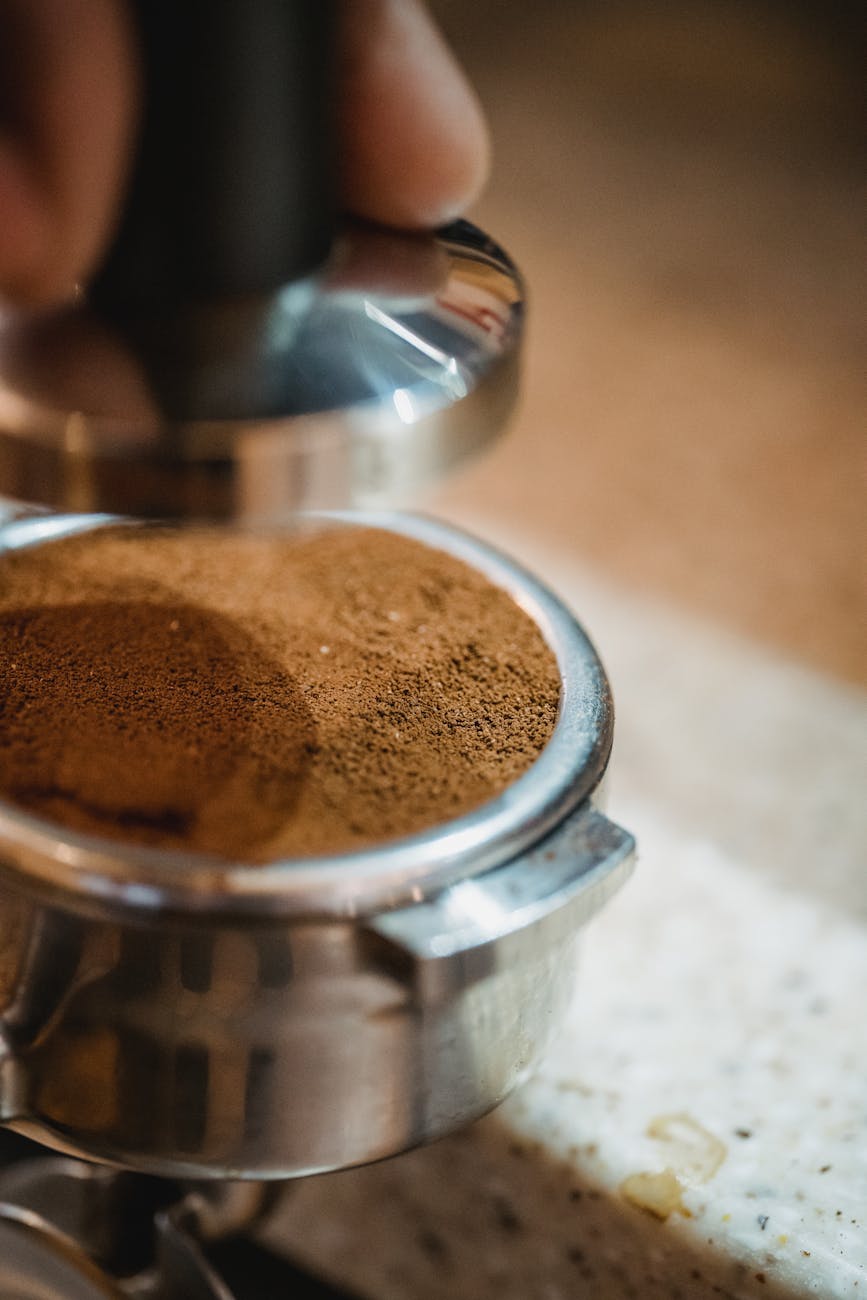
The DeLonghi ECP3420 is a fantastic gateway into the world of home espresso, offering remarkable value and performance. Many new owners focus on mastering the grind size and perfecting the steam wand, yet one of the most crucial, and often misunderstood, steps in the workflow is tamping. How hard should you press that coffee down? Does it even matter with this machine? The role of tamping pressure is a subject of much debate, but for the ECP3420, understanding its nuances is key to unlocking consistent and delicious espresso shots. This article will demystify the process, moving beyond generic advice to provide a practical guide tailored specifically to the ECP3420’s unique design and helping you pull better shots every single time.
What the pressurized portafilter means for you
Before we can talk about pressure, we have to talk about the ECP3420’s most defining feature: its pressurized portafilter. Unlike the “bottomless” or non-pressurized portafilters seen on more expensive machines, the ECP3420’s stock portafilter has a double-walled basket with a single tiny hole on the bottom. This design is engineered to be forgiving. It artificially creates resistance and pressure during extraction, helping to produce a thick, crema-rich shot even if your grind size or tamp is less than perfect.
So, what does this mean for your tamping workflow? It means that the primary goal of tamping on an ECP3420 is not to create resistance. The portafilter already does that for you. Instead, your objective shifts to two key things:
- Creating a level coffee bed: This is the most important factor. An even, level surface ensures that water flows through the coffee puck uniformly, preventing channeling (where water finds a path of least resistance and bypasses most of the grounds).
- Removing air pockets: Gently compressing the grounds eliminates air gaps, which can also lead to channeling and uneven extraction.
Essentially, with a pressurized system, tamping is more about ensuring uniformity than it is about applying brute force to slow down the water.
Debunking the 30-pound pressure myth
Search for any espresso tutorial online, and you’ll inevitably hear the “30 pounds of pressure” rule. Baristas are often taught to tamp with a firm, calibrated force, and for a commercial, non-pressurized setup, this advice is sound. On those machines, the tightly packed coffee puck is the only thing creating the resistance necessary to build up 9 bars of pressure for a proper extraction.
However, applying this logic to the DeLonghi ECP3420 is not only unnecessary but can be counterproductive. Tamping with excessive force can over-compact the coffee puck. When the machine’s pump forces water through the already-restrictive pressurized basket and then a rock-hard puck, it can struggle, leading to a choked, slow, and over-extracted shot. This results in an espresso that is bitter, harsh, and lacks the nuanced flavors you’re looking for.
Forget the bathroom scale. For the ECP3420, you need to think about consistency, not force. A consistent, repeatable tamp, even if it’s light, will yield far better results than a variable, heavy-handed approach.
A practical tamping guide for consistent results
Now that we understand the why, let’s focus on the how. Mastering the tamp for your ECP3420 is about developing a simple, repeatable routine. The plastic scoop/tamper that comes with the machine is functional, but investing in a solid, metal tamper that fits the 51mm basket snugly is the single best upgrade you can make.
Here is a step-by-step process for the perfect tamp:
- Dose and distribute: Fill your portafilter basket with your desired dose of ground coffee. Gently shake or tap the side of the portafilter to settle the grounds and level them out as much as possible. This step, known as distribution, is critical for preventing channeling later.
- Position the tamper: Place the tamper on top of the grounds, ensuring it is perfectly level. Use your thumb and index finger to feel the rim of the basket, making sure the tamper’s base is parallel to it.
- Apply gentle pressure: With your elbow directly above your wrist, press down firmly but gently. You are not trying to crush the coffee. Press just until you feel the coffee grounds stop compressing. That’s it. For most people, this feels like a firm handshake, likely in the 10-15 pound range.
- The final polish (optional): Without pressing down, give the tamper a gentle spin on the surface of the puck. This “polishes” the coffee, removing any loose grounds from the surface, which can help keep your machine’s group head clean. Do not press down during this spin.
Remember, the goal is a level, evenly compacted puck every single time. Consistency is king.
Diagnosing your shot: Tamping’s impact on taste
How do you know if your tamping is on point? The proof is in the cup. The way your espresso extracts and tastes provides direct feedback on your technique. By observing your shot and tasting the result, you can fine-tune your tamping pressure to perfection. Use this table as a guide to diagnose any issues and understand their link to your tamping.
| Tamping Issue | Shot Behavior | Taste Profile |
|---|---|---|
| Too Light or Uneven | Shot starts immediately and gushes out very quickly (less than 15-20 seconds). Blond and watery appearance. | Sour, acidic, thin, and lacking body. A clear sign of under-extraction. |
| Just Right (Level & Consistent) | A brief delay before drips appear, followed by a steady, even stream that looks like warm honey. Ideal shot time is 25-30 seconds. | Balanced, sweet, with clear flavor notes and a pleasant, full body. The ideal shot. |
| Too Hard | Shot takes a long time to start, then drips out very slowly or chokes the machine completely (over 35 seconds). Very dark, spotty extraction. | Bitter, harsh, burnt, and astringent. A clear sign of over-extraction. |
By paying attention to these cues, you can adjust your simple workflow. If your shots are consistently sour and fast, your puck is not uniform. Focus on better distribution and a slightly firmer, more even tamp. If they are bitter and slow, ease up on the pressure significantly.
In the DeLonghi ECP3420 workflow, tamping is less an act of force and more a technique of finesse. The machine’s forgiving pressurized portafilter removes the need for the heavy, 30-pound tamp often cited in professional circles. Instead, the home barista should focus on the true goal: creating a perfectly level and uniformly compacted coffee bed. This simple shift in mindset—from pressure to consistency—is what prevents channeling and ensures an even extraction. By focusing on a gentle, repeatable technique and learning to read the feedback from each shot, you can master this crucial step. It is this attention to small details that elevates the ECP3420 from a simple appliance to a tool for crafting genuinely delicious espresso at home.


 No products in the cart.