

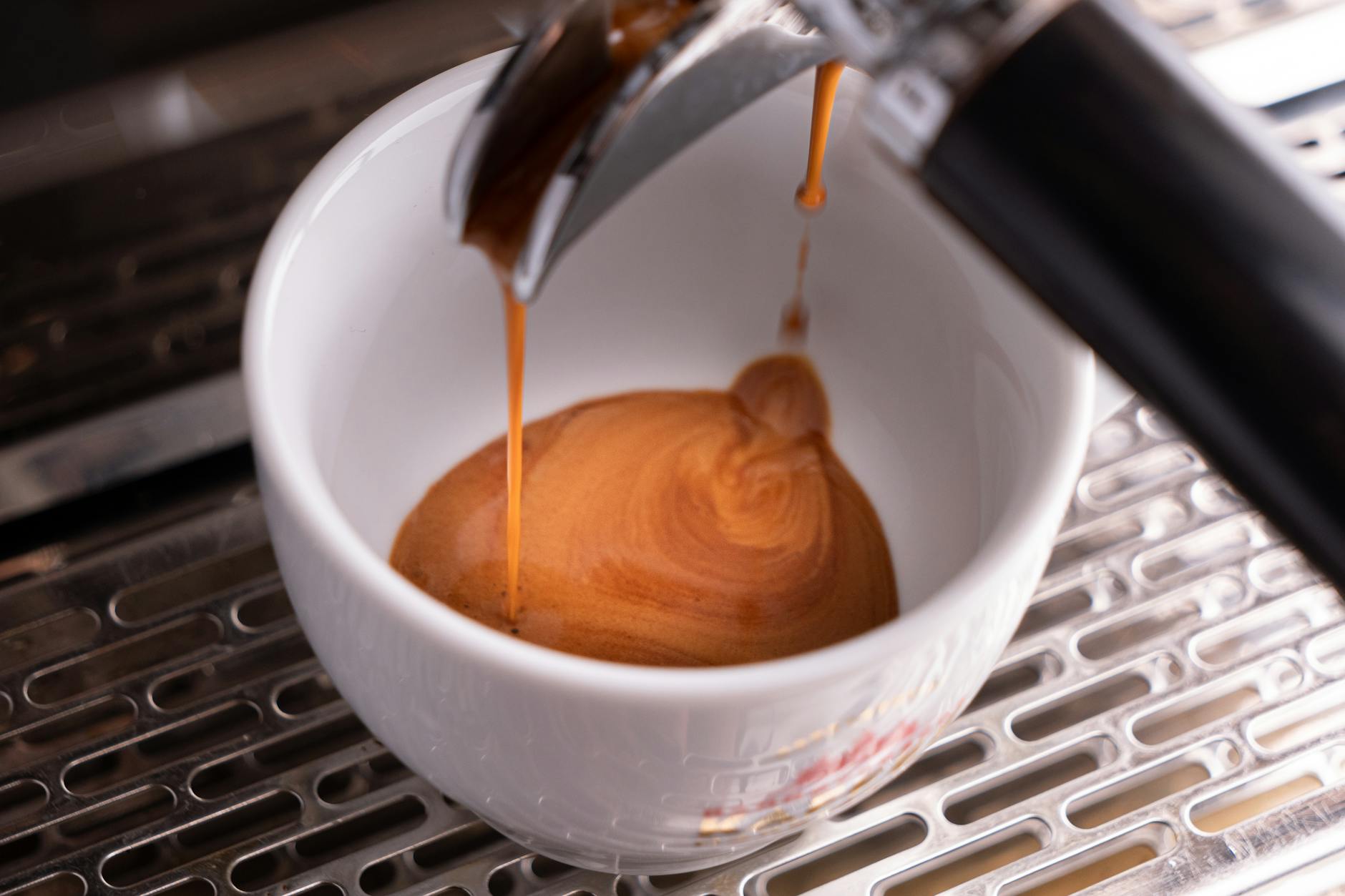
The De’Longhi ECP3420 is a fantastic gateway into the world of home espresso, celebrated for its ability to consistently produce a rich, thick layer of crema on every shot. This is largely thanks to its pressurized portafilter system, a feature designed to make espresso brewing more forgiving for beginners. However, simply producing crema and producing high-quality crema are two different things. A great crema should be fine-bubbled, persistent, and reddish-brown, contributing not just visually but also to the aroma and mouthfeel of the espresso. This article will guide you through the essential techniques and variables you can control to move beyond basic results and truly maximize the quality of the crema you can achieve with your ECP3420.
Understanding the pressurized portafilter
Before we can improve our results, it’s important to understand the tool we’re working with. The De’Longhi ECP3420 comes with a pressurized, or “dual-wall,” portafilter basket. Unlike the single-wall baskets found on more advanced machines, this design has a second wall on the bottom with a single tiny hole for the espresso to exit through.
How does this create crema? This design artificially builds up the pressure needed for extraction, independent of the coffee grind size or tamping pressure. As the extracted coffee is forced through this small hole, it gets aerated, creating a foam that resembles traditional crema. This is a brilliant feature for beginners because it guarantees a crema-topped shot even if you’re using pre-ground coffee or your tamping isn’t perfect.
The key takeaway here is that while the system provides a helping hand, the quality of that crema—its flavor, texture, and stability—is still directly influenced by you. The pressurized system creates the foam, but fresh coffee and good technique create the deliciousness within that foam.
The foundation: selecting and grinding your beans
The single most impactful change you can make to improve your espresso is to use fresh, high-quality coffee beans. The crema we desire is largely formed by carbon dioxide (CO2) gas trapped within the coffee bean during the roasting process. This gas is released under the pressure of extraction and emulsifies with the coffee oils.
- Freshness is key: Look for bags of coffee with a “roasted on” date, not a “best by” date. Ideally, you want to use beans within 7 to 21 days of their roast date. After a few weeks, most of that precious CO2 will have dissipated, leading to a thin, pale, and quick-to-vanish crema.
- Roast level: While a matter of taste, medium to dark roasts tend to be more oily and release their CO2 more readily, often resulting in a thicker, more robust crema.
- Grinding matters: Even with a pressurized system, grinding your beans just before you brew makes a world of difference. A good quality burr grinder will give you a more consistent grind. For the ECP3420, you’ll want a fine grind, but not quite as powdery fine as required for a non-pressurized machine. Think of the consistency of granulated sugar or slightly finer. This consistency helps the water extract flavors evenly from the coffee grounds before it hits the pressurizing mechanism.
Dialing in your technique: dosing and tamping
With great beans and the right grind, your next area of focus is what happens at the portafilter. Consistency here is the name of the game. Creating a repeatable routine will give you repeatable, and therefore improvable, results.
First, let’s talk about dosing, which is the amount of coffee you put in the basket. Using the double-shot basket that comes with the ECP3420, aim for a dose between 14 and 16 grams. The best way to be consistent is to use a small coffee scale. This precision removes guesswork and ensures you’re starting with the same amount of coffee for every shot you pull.
Next comes tamping. The goal of tamping with a pressurized basket isn’t to create resistance for the water—the basket does that for you. Instead, the goal is to create a level and evenly compacted coffee bed. This ensures that the water flows through the entire puck of coffee uniformly, extracting all the flavors and oils evenly. You don’t need to press with extreme force. A light-to-medium, consistent pressure is sufficient. The most important part is making sure the tamp is perfectly level, not tilted to one side.
Optimizing the machine and extraction
The final piece of the puzzle is ensuring the machine itself is ready to perform at its best. Temperature stability is a crucial factor in espresso extraction, and entry-level machines often need a little help in this department.
Always pre-heat your ECP3420 properly. Turn it on at least 15 minutes before you plan to brew. Crucially, you must also heat the portafilter and your cup. Lock the empty portafilter into the machine and run a “blank shot” of hot water through it and into your cup. This does two things: it brings the metal group head and portafilter up to a stable brewing temperature, and it warms your cup so your espresso doesn’t experience temperature shock. An espresso shot that hits a cold ceramic cup will lose temperature instantly, affecting its flavor and causing the crema to dissipate faster.
By controlling these variables, you can create a reliable baseline for pulling excellent shots. The table below summarizes the key points for quick reference:
| Variable | Recommendation | Why it matters |
|---|---|---|
| Coffee beans | Freshly roasted (within 2-4 weeks) | Fresh beans contain CO2, which is essential for crema formation. |
| Grind size | Fine, consistent (slightly coarser than for non-pressurized) | Ensures even water flow and prevents clogging the filter. |
| Dose | 14-16 grams for the double basket | Consistency is key for repeatable results and balanced flavor. |
| Tamping | Light to medium pressure, perfectly level | A level bed promotes even extraction, improving flavor and mouthfeel. |
| Pre-heating | Run a blank shot through the portafilter and warm the cup | Temperature stability prevents sour, under-extracted shots. |
While the ECP3420’s pressurized system is engineered for convenience and guarantees a foam-topped coffee, it does not preclude the pursuit of excellence. As we’ve seen, you hold significant power over the final quality of your espresso and its crema. It all begins with the foundational choice of using fresh, high-quality coffee beans, ground just moments before brewing. This is the source of the rich oils and gases that create a truly magnificent crema. By combining this with a consistent and careful technique in dosing and tamping, and by respecting the importance of temperature stability through pre-heating, you elevate the machine’s performance. You are no longer just a machine operator; you are a home barista crafting a genuinely delicious and visually stunning cup of espresso.

 No products in the cart.