

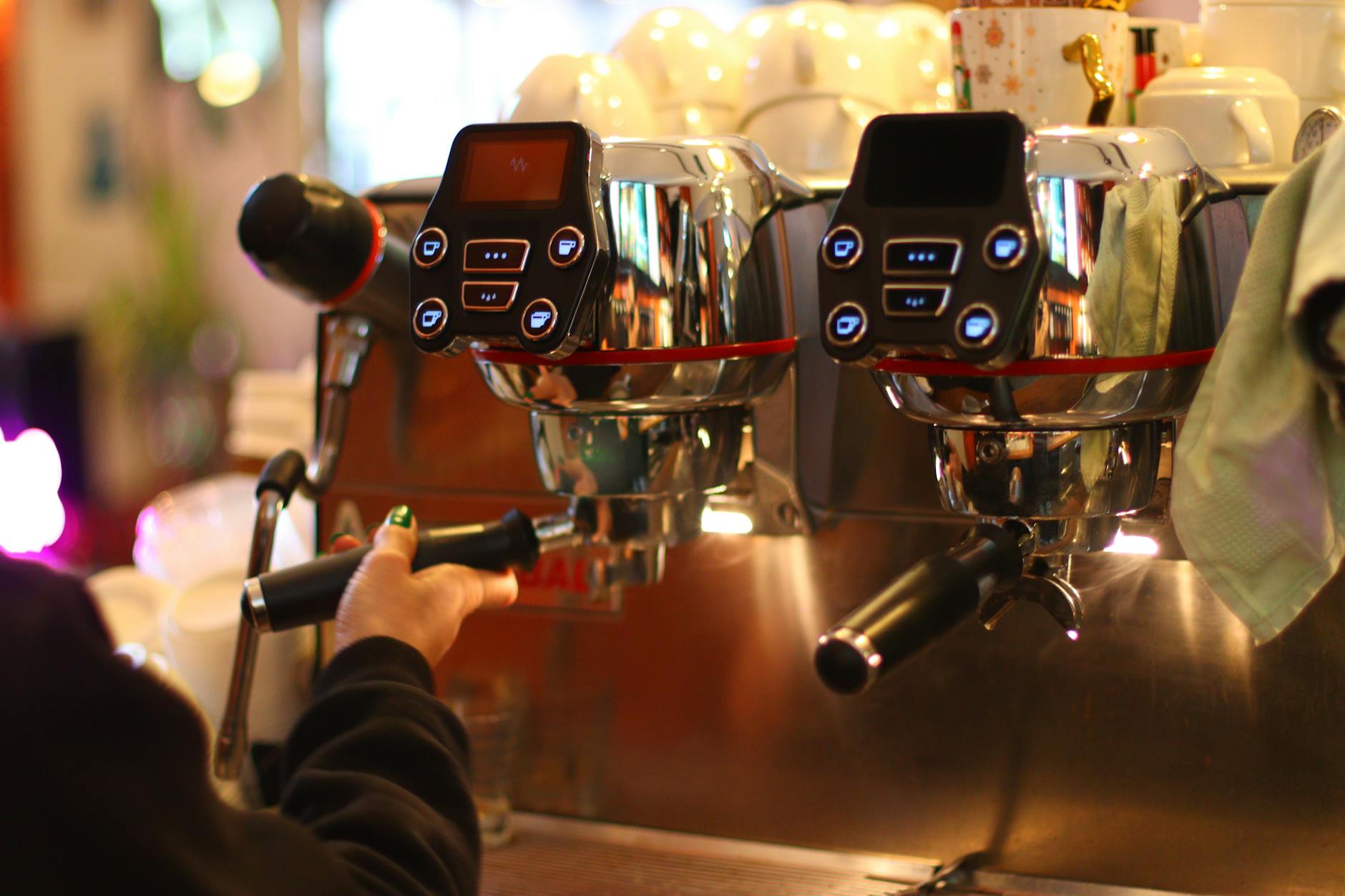
Unlock better espresso: a guide to the DeLonghi ECP3420 portafilter modification
The DeLonghi ECP3420 is a fantastic entry point into the world of home espresso. It’s affordable, compact, and capable of producing a decent shot of coffee right out of the box. However, for many budding coffee enthusiasts, there comes a point where “decent” is no longer enough. The key to unlocking this machine’s true potential lies in a simple, yet transformative, internal portafilter modification. This process involves converting the standard “pressurized” portafilter into a “non-pressurized” one. This article will serve as your comprehensive guide to understanding what this modification is, why you should (or shouldn’t) consider it, and what it means for your journey toward brewing café-quality espresso at home.
The pressurized portafilter explained
To understand the modification, we first need to understand what we’re changing. The DeLonghi ECP3420, like most entry-level espresso machines, comes with a pressurized portafilter. You can identify it by the internal plastic insert inside the metal basket. This system is designed with a single, tiny exit hole for the coffee to pass through. This design artificially creates resistance and builds up pressure, even if your coffee grind is inconsistent or your tamping is uneven. Essentially, it’s a set of training wheels for making espresso.
Manufacturers use this system for a good reason: it’s incredibly forgiving. It ensures that even a beginner using pre-ground coffee can pull a shot that looks the part, complete with a thick layer of “crema.” However, this crema is often more like a foam created by aeration, lacking the rich texture and flavor of true crema. The pressurized system is a crutch that, while helpful initially, ultimately masks feedback and limits your ability to improve. It prevents you from truly tasting the nuances of your coffee beans because it homogenizes the extraction process, compensating for flaws rather than allowing you to fix them.
From pressurized to non-pressurized: the modification
The goal of the ECP3420 internal portafilter modification is to remove the “training wheels.” This involves disassembling the stock portafilter and removing the plastic insert that creates the artificial pressure. By doing so, you convert the basket into a traditional, non-pressurized basket. The coffee’s exit from the basket is no longer restricted to a single tiny hole; instead, the entire bed of coffee grounds, and how you prepare it, becomes the sole source of resistance for the water.
This functionally turns your standard spouted portafilter into a “bottomless” portafilter in terms of feedback. Without the plastic funnel, you gain a direct line of sight to how the water is extracting through the coffee puck. You can now see issues like channeling, where water finds a path of least resistance and gushes through, leading to an uneven and poor-tasting shot. This direct visual feedback is one of the most valuable learning tools for an aspiring barista. You are no longer just brewing coffee; you are actively engaging with the science of espresso extraction.
The pros and cons of going non-pressurized
Making this change is a significant step, and it’s important to weigh the benefits against the new challenges you’ll face. It’s not the right move for everyone, and success depends heavily on your willingness to learn and invest in better tools. The primary benefit is gaining total control over your extraction. The flavor potential of your espresso will increase dramatically, allowing you to pull shots with greater clarity, sweetness, and complexity. However, this control comes at a cost.
The learning curve becomes much steeper. Without the forgiving nature of the pressurized system, your mistakes will be immediately obvious and often messy. A shot that isn’t dialed in correctly can spray coffee from the portafilter. More importantly, this modification makes a high-quality burr grinder an absolute necessity. The pre-ground coffee or cheap blade grinder that worked before will not be able to produce a grind fine or consistent enough to create the proper resistance, resulting in a fast, watery, and undrinkable shot.
| Pros of Modification | Cons of Modification |
|---|---|
| Unlocks superior flavor and texture | Requires a capable burr grinder |
| Provides direct visual feedback on extraction | Steep learning curve for beginners |
| Allows full control over variables (grind, dose, tamp) | Messy shots are common while learning |
| Teaches the fundamentals of proper espresso prep | Inconsistent prep leads to poor results |
What you need for success after the mod
Once you’ve depressurized your portafilter, your journey has just begun. To avoid frustration and make the most of your newly capable machine, a few additional tools are no longer optional, but essential. Think of this as graduating to the next level of home espresso.
- A capable burr grinder: This is the single most important piece of equipment. You need a grinder that can make fine, incremental adjustments to dial in the perfect grind size for your specific coffee beans.
- A proper 51mm tamper: The flimsy plastic scoop/tamper that comes with the ECP3420 won’t do. A solid, calibrated tamper will allow you to apply firm and level pressure consistently every time.
- A digital scale: Precision is key. You’ll need a scale accurate to at least 0.1 grams to measure your dose (coffee grounds in) and your yield (liquid espresso out). This is how you create and repeat successful recipes.
- Freshly roasted coffee: The difference between beans roasted weeks ago versus days ago becomes night and day with a non-pressurized basket. Fresh beans produce a more stable and beautiful extraction.
Conclusion: is this modification right for you?
In summary, the DeLonghi ECP3420’s stock pressurized portafilter is a clever piece of engineering designed for simplicity and forgiveness. While perfect for the absolute beginner, it places a firm ceiling on the quality of espresso you can produce. The internal modification effectively shatters that ceiling by removing the pressurizing mechanism, transforming your machine into a more traditional and capable espresso maker. This change grants you the control necessary to practice and perfect puck preparation, offering direct feedback on your technique. While the transition demands a steeper learning curve and better supporting equipment, particularly a good burr grinder, the rewards are immense. For the coffee enthusiast on a budget looking to move beyond basic espresso, this free modification is arguably the most impactful upgrade you can make.
 No products in the cart.