

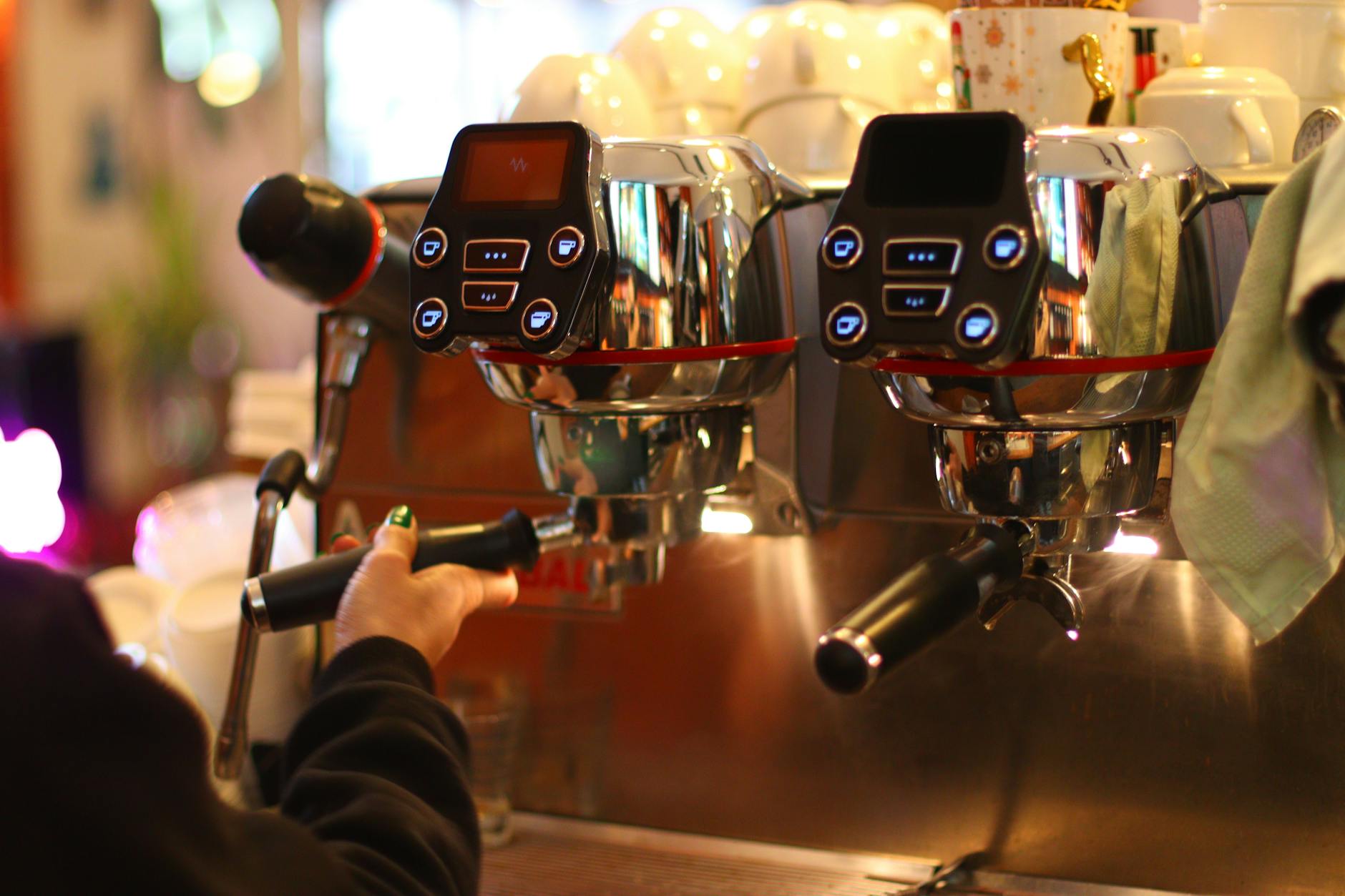
The DeLonghi ECP3420 is a fantastic entry point into the world of home espresso, offering impressive value and a chance to pull cafe-quality shots without breaking the bank. However, many new users find themselves struggling with inconsistent results, often getting shots that are either disappointingly sour or unpleasantly bitter. While factors like grind size and tamping are crucial, one of the most significant yet overlooked variables is water temperature. The machine’s heating system requires a bit of understanding to master. This article will dive deep into the impact of water temperature on your DeLonghi ECP3420 extraction, explaining why it matters and providing practical techniques to help you gain control and consistently brew delicious espresso at home.
The science of a perfect shot
Before we can tweak the temperature on the ECP3420, it’s essential to understand what we’re trying to achieve during extraction. When hot, pressurized water passes through your puck of coffee grounds, it dissolves a wide range of flavor compounds. The goal is to achieve a balanced extraction, pulling out the right amount of these compounds in the right order.
- Acids and fruit notes: These are the first to extract. They are highly soluble and contribute brightness and complexity to the shot. Too little extraction, and these are the only flavors you’ll taste, resulting in a sour, sharp, and underdeveloped shot.
- Sugars and caramels: Next come the sweet compounds. A well-extracted shot has a rich sweetness that balances the initial acidity, creating a smooth and pleasant body.
- Oils and bitters: The final compounds to extract are the heavier oils and bitter elements. In the right amount, they add depth, a pleasant finish, and contribute to a thick crema. If the extraction goes on for too long or the water is too hot, you’ll get an excess of these, leading to a bitter, harsh, and ashy taste.
Understanding this sequence is key. A sour shot is under-extracted, meaning the water wasn’t hot enough or didn’t have enough time to dissolve the desirable sugars. A bitter shot is over-extracted, meaning the water was too hot or ran for too long, pulling out unpleasant compounds.
Understanding the ECP3420’s thermoblock heater
Unlike more expensive machines that use a large boiler to keep a reservoir of water at a stable temperature, the DeLonghi ECP3420 uses a thermoblock system. A thermoblock works by flash-heating a small amount of water as it passes through a coiled metal block. This design has a major advantage: it heats up very quickly. You can turn the machine on and be ready to brew in just a few minutes.
However, this speed comes with a trade-off: temperature stability. The thermoblock’s temperature can fluctuate significantly during the brewing process. When you turn the machine on, it heats until the “OK” light illuminates. But at this point, many components, like the group head and portafilter, are still cold. If you pull a shot immediately, the water will lose a lot of heat on its way to the coffee, resulting in a cool, under-extracted, and sour shot. Conversely, if you let the machine sit for too long, the thermoblock can overshoot its target, leading to excessively hot water that will scald your coffee.
How temperature changes your espresso’s flavor
The temperature of your brew water acts like a solvent controller. Small changes can have a dramatic impact on which flavor compounds are extracted from your coffee grounds, especially with a sensitive machine like the ECP3420. The ideal brewing range for most espresso is between 90-96°C (195-205°F).
If your water is too cool (below 90°C), it won’t be effective at dissolving the desirable sugars and oils. You’ll primarily extract the fast-dissolving acids, leading to a thin-bodied, sour shot that tastes like lemon juice. This is a very common problem for new ECP3420 users who don’t preheat the machine properly.
On the other hand, if your water is too hot (above 96°C), it will aggressively strip everything from the coffee grounds, including the unpleasant bitter compounds. This results in a shot that tastes burnt, ashy, and hollow, with any delicate sweetness or acidity completely destroyed. Darker roasts are particularly sensitive to high temperatures, as their compounds are already more soluble from the roasting process.
| Water temperature | Extraction level | Primary taste notes | Crema appearance |
|---|---|---|---|
| Too cool (<90°C / 195°F) | Under-extracted | Sour, acidic, grassy, weak | Thin, light-colored, dissipates quickly |
| Ideal (90-96°C / 195-205°F) | Balanced | Sweet, complex, balanced acidity | Thick, reddish-brown, persistent |
| Too hot (>96°C / 205°F) | Over-extracted | Bitter, burnt, ashy, hollow | Dark, thin, may have a hole in the center |
Tips for mastering temperature on your ECP3420
Gaining control over the ECP3420’s temperature isn’t about precision instruments; it’s about creating a consistent routine. Here are the steps to tame the thermoblock and pull better shots:
- Warm up thoroughly: Turn on your machine and lock the empty portafilter into the group head. Let it sit for at least 10-15 minutes. This allows heat to transfer from the thermoblock to the group head and portafilter, which act as crucial heat sinks.
- Run a blank shot: Before your first real shot, run a double shot of water through the locked-in portafilter into your cup. This does two things: it purges any overly hot or cool water from the system and preheats your portafilter and cup to brewing temperature.
- Practice temperature surfing: This is the key technique. After running your blank shot, the “OK” light will turn off as the machine reheats. Prepare your coffee puck. Wait for the “OK” light to come back on. Now, don’t brew immediately. Instead, start a timer and run the brew cycle for about 5-8 seconds to flush out the hottest water. Stop the water, immediately lock in your prepared portafilter, and start your real shot. Experiment with that flushing time to find what works best for your beans.
By following this routine, you create a repeatable process that brings the brew water into that ideal 90-96°C range just as it hits your coffee, leading to far more consistent and delicious extractions.
In conclusion, while the DeLonghi ECP3420 is a capable machine, its thermoblock heating system introduces temperature instability as a major variable in your espresso brewing. A shot that’s too cool will be sour and under-extracted, while a shot that’s too hot will be bitter and burnt. The key to unlocking this machine’s potential lies not in wishing for a different heater, but in mastering the one it has. By understanding the principles of extraction and implementing a consistent routine of thorough preheating and temperature surfing, you can take direct control over this critical factor. This transforms the ECP3420 from a machine of frustrating inconsistency into a reliable tool for crafting truly exceptional espresso right in your own kitchen.
 No products in the cart.