

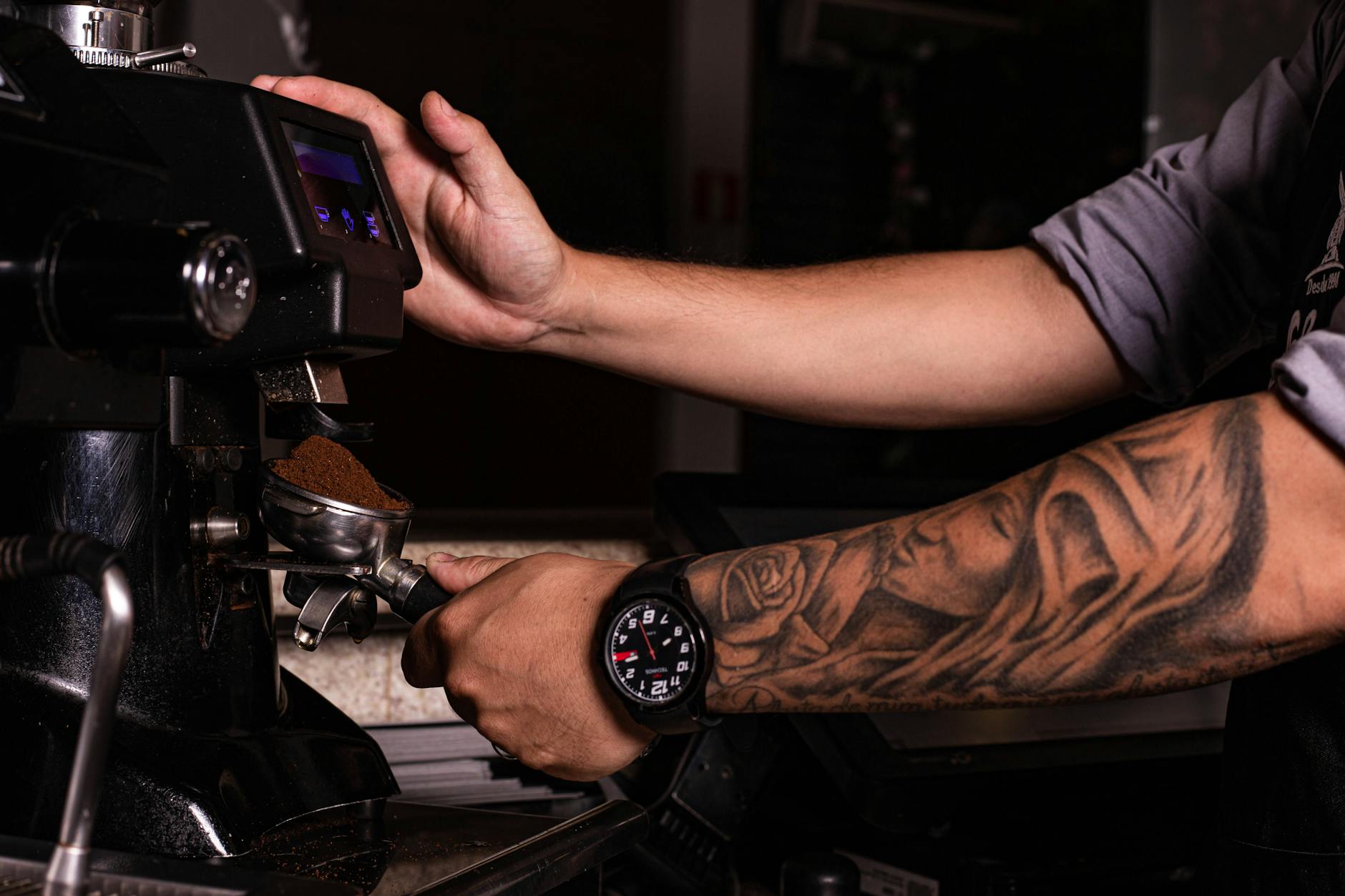
Welcome, espresso enthusiast! If you own the fantastic DeLonghi ECP3420, you have a capable machine that can pull delicious shots of espresso right in your kitchen. However, many new owners face a common hurdle: finding the perfect coffee grind size. It’s the single most important variable that stands between you and a rich, flavorful shot with beautiful crema. The secret, and the focus of this guide, isn’t just about the coffee or the machine itself; it’s about understanding the specific type of filter baskets that come with your DeLonghi. This article will demystify the process, guiding you through the unique nature of the ECP3420’s stock baskets to help you achieve the perfect grind and a consistently great espresso every time.
Understanding the DeLonghi’s pressurized baskets
Before we can talk about grind size, we must discuss the most critical part of your ECP3420’s setup: the pressurized filter baskets. These are also known as dual-wall baskets. Unlike the single-wall baskets found on more expensive, professional machines, a pressurized basket has a second wall on the bottom with only a single, tiny hole for the espresso to exit. This design is intentional and very beginner-friendly.
How does it work? This single exit hole artificially creates resistance and builds up the pressure needed for espresso extraction. In a professional setup, it’s the fine, compacted puck of coffee that creates this resistance. With a pressurized basket, the basket itself does most of the heavy lifting.
- Pros: It’s incredibly forgiving. You can use a less-than-perfect grind size, or even pre-ground coffee, and still get a decent-looking shot with foam that resembles crema.
- Cons: It limits your ability to truly “dial in” a shot. The crema produced is often more like bubbly foam, and it can mask the nuanced flavors of high-quality coffee beans.
Understanding this mechanism is key because it means the ideal grind size for the DeLonghi stock baskets is fundamentally different from the “true espresso” grind you might read about elsewhere.
Finding the ideal starting grind size
For a standard, non-pressurized basket, you need a very fine, almost powder-like grind. If you use a grind that fine in your DeLonghi’s stock basket, you will likely choke the machine, resulting in a slow, dripping, and over-extracted shot that tastes incredibly bitter.
The sweet spot for the DeLonghi ECP3420’s pressurized baskets is a medium-fine grind. What does that look like?
- It should be finer than the coffee you’d use for drip or pour-over.
- It should be noticeably coarser than a traditional espresso grind.
- A good visual and tactile reference is somewhere between table salt and fine sand. When you pinch it between your fingers, you should still be able to feel distinct granules, not just a soft powder.
If you’re using a burr grinder, this is your starting point. Avoid blade grinders if possible, as they produce an inconsistent grind with both fine dust and large chunks, which will lead to a poorly extracted, unbalanced shot.
How to dial in your shot by time and taste
The “medium-fine” recommendation is just a starting point. The type of bean, its roast level, and its freshness will all require slight adjustments. The process of finding the perfect setting is called “dialing in.” The goal is to extract a double shot (about 2 ounces or 60ml) in approximately 25 to 30 seconds from the moment you press the brew button.
Here’s how you adjust:
- Shot pulls too fast (under 20 seconds): Your coffee will taste weak, sour, and under-extracted. This means the water is flowing through the coffee puck too easily. Your grind is too coarse. Adjust your grinder one or two steps finer and try again.
- Shot pulls too slow (over 35 seconds) or just drips: Your coffee will taste harsh, bitter, and over-extracted. The water is struggling to get through the coffee puck. Your grind is too fine. Adjust your grinder a step or two coarser.
Remember to only change one variable at a time. Keep your dose (the amount of coffee in the basket) and your tamping pressure consistent. Focus solely on adjusting the grind until you hit that 25-30 second window. Once you’re in the right time range, you can fine-tune based on taste.
Troubleshooting common grind-related issues
Even with the right method, issues can pop up. Here is a quick reference table to help you diagnose and solve common problems related to your grind size with the DeLonghi ECP3420.
| Problem | Likely Cause | Grind Adjustment Solution |
|---|---|---|
| Watery shot with no crema | Grind is far too coarse, or you are using old, stale coffee beans. | Make the grind significantly finer. Ensure you are using freshly roasted beans (within 2-3 weeks of the roast date). |
| Espresso tastes sour | Under-extraction. The shot ran too fast. | Adjust the grind to be finer to slow down the extraction time. Aim for the 25-30 second range. |
| Espresso tastes very bitter | Over-extraction. The shot ran too long or choked the machine. | Adjust the grind to be coarser to speed up the flow of water through the coffee. |
| Machine is choking (only drips come out) | The grind is so fine it has created a dense puck that water cannot penetrate. | Make the grind significantly coarser. This is the most common issue when using a “true espresso” grind in a pressurized basket. |
In conclusion, mastering the grind for your DeLonghi ECP3420 is less about chasing an elusive, perfect setting and more about understanding its forgiving, beginner-friendly design. The key takeaway is that due to its pressurized stock baskets, you should aim for a medium-fine grind, not the powdery-fine grind required for professional machines. Your starting point should feel like a mix of fine sand and table salt. From there, the dialing-in process is a simple matter of observation: use a timer and aim for a 25-30 second extraction for a double shot. Let taste be your final guide, adjusting slightly finer to fix sour shots and slightly coarser to fix bitter ones. Embrace the process, and you’ll soon be pulling consistent, delicious espresso with your DeLonghi.
 No products in the cart.