

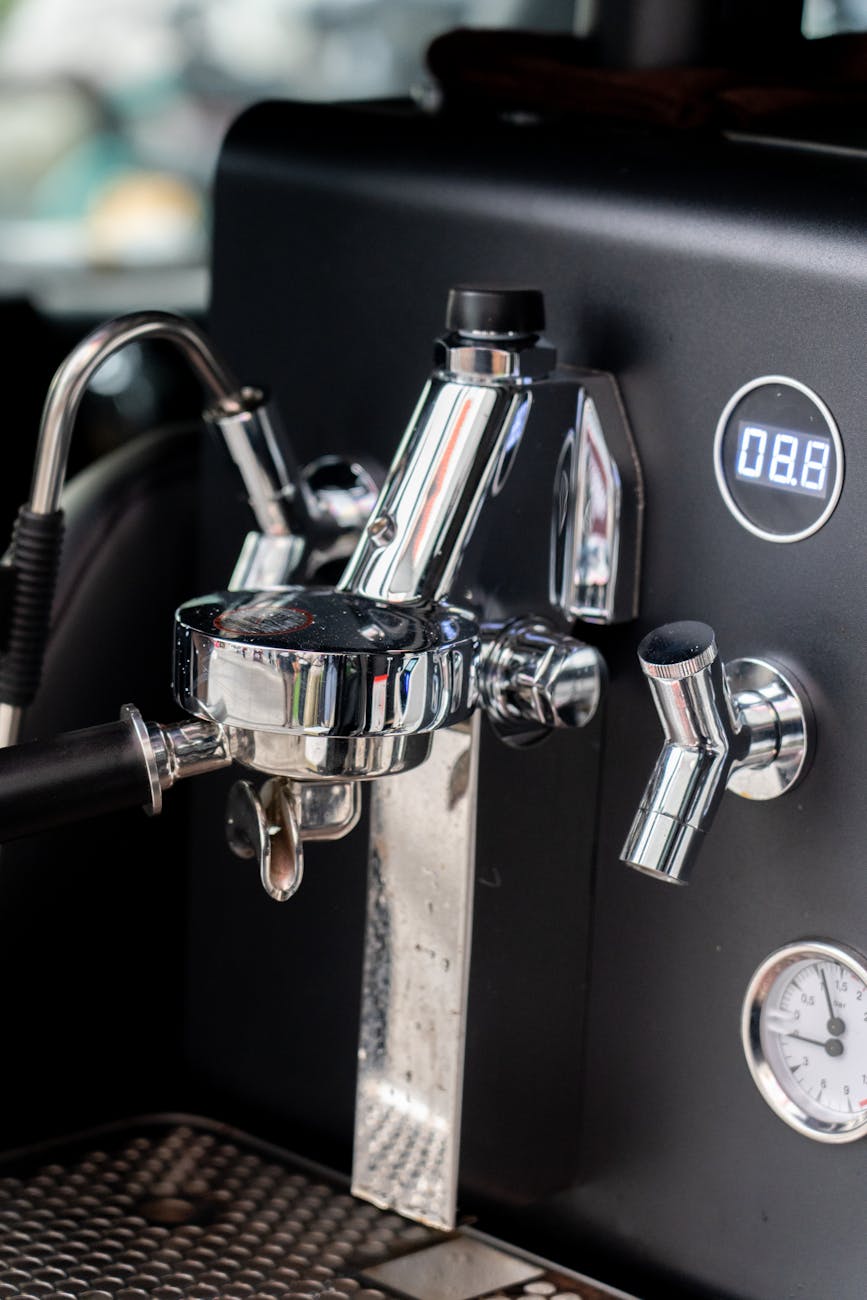
Pressurized vs non-pressurized baskets: Upgrading your DeLonghi ECP3420
The DeLonghi ECP3420 is a fantastic entry point into the world of home espresso. It’s affordable, reliable, and capable of producing a decent shot of coffee right out of the box. However, as you delve deeper into the espresso hobby, you’ll quickly encounter one of the most impactful upgrades you can make: changing the portafilter basket. The machine comes standard with a pressurized, or dual-wall, basket. This component is key to its user-friendly nature, but it also creates a ceiling on the quality you can achieve. This article will explore the critical differences between the stock pressurized basket and an upgraded non-pressurized, or single-wall, basket, helping you decide if this popular modification is the right next step in your coffee journey.
What is a pressurized basket?
If you’re using your DeLonghi ECP3420 as it came from the factory, you’re using a pressurized basket. You can identify it by looking at the bottom; you’ll see a plate with many tiny holes, but if you look underneath that, you’ll notice there is only a single, tiny exit hole. This design is intentional and often referred to as a “dual-wall” system. Its primary job is to create artificial pressure during extraction.
Instead of relying on a perfectly fine and uniform coffee grind to provide resistance, the basket does the work for you. Water is forced through the coffee grounds and then has to squeeze through that one small hole, which builds up the pressure needed for extraction. This makes the system incredibly forgiving.
Pros of a pressurized basket:
- Forgiving: It compensates for an inconsistent grind or imperfect tamping. This is why it works well with pre-ground coffee from the supermarket.
- Guaranteed “crema”: It produces a thick, bubbly layer on top of the espresso, even with older beans. This is often more foam than true crema, but it provides a visual approximation.
- Simplicity: It’s a plug-and-play solution for beginners who want a quick, consistent shot without the fuss of dialing in a grinder.
Cons of a pressurized basket:
- Muted flavor: The artificial pressure tends to create a one-dimensional, often more bitter flavor profile, masking the nuanced notes of high-quality coffee beans.
- Fake crema: The thick foam produced is less stable and flavorful than true crema, which is an emulsion of coffee oils and CO2 from fresh beans.
- Lack of control: It removes your ability to influence the extraction with grind size and puck preparation, which is the heart of making true espresso.
The leap to a non-pressurized basket
A non-pressurized, or single-wall, basket is what you’ll find on professional and prosumer espresso machines. Unlike its pressurized counterpart, it has a bottom that is fully perforated with dozens of tiny holes. There is no second wall or single exit point. With this design, the basket itself provides no artificial assistance in building pressure. Instead, all the resistance must come from a finely ground, evenly distributed, and properly tamped puck of coffee.
This is where the true craft of espresso begins. You are now in complete control. The grind size, the dose of coffee, the distribution, and the tamping pressure all directly impact the flow rate and pressure of your extraction. It’s a much steeper learning curve, but the reward is a significantly higher quality of espresso. You unlock the ability to taste the subtle differences between coffee origins, processing methods, and roast levels. It transforms the ECP3420 from a simple coffee maker into a genuine, albeit basic, espresso machine.
What you need for the upgrade
Switching to a non-pressurized basket is not just about buying a new piece of metal; it’s about adopting a new process that requires the right tools. Simply swapping the basket without supporting equipment will lead to frustrating, watery shots.
The most critical piece of equipment is a capable burr grinder. A blade grinder or a cheap grinder designed for drip coffee will not work. You need a grinder that can produce a fine and consistent grind, with the ability to make micro-adjustments to “dial in” your shot. Without this, it’s impossible to create the resistance needed for a proper extraction.
Other essential accessories include:
- A 51mm tamper: The plastic scoop/tamper that comes with the ECP3420 is inadequate. A proper, heavy-feeling tamper is crucial for achieving a level and consistently compressed coffee puck.
- A digital scale: Precision is key. You need a scale that measures to at least 0.1 grams to weigh your coffee dose (beans going in) and your espresso yield (liquid coming out).
- Fresh coffee beans: Non-pressurized espresso relies on the carbon dioxide in freshly roasted beans (ideally within 2-4 weeks of the roast date) to produce authentic crema.
Making the choice: Which basket is right for you?
The decision to upgrade ultimately comes down to your goals, your budget for accessories, and your willingness to embrace the learning process. There is no single “best” answer for everyone. The pressurized basket serves its purpose well for those who value convenience and consistency with minimal effort.
However, if you are drawn to the craft of espresso and want to unlock the true potential of your DeLonghi ECP3420, moving to a non-pressurized system is a necessary and incredibly rewarding step. It elevates the machine from a simple appliance to a tool for a fascinating hobby.
Here is a table to help you decide:
| Feature | Pressurized (Dual-Wall) | Non-Pressurized (Single-Wall) |
|---|---|---|
| Ideal Coffee | Pre-ground or inconsistent grind | Freshly ground, fine, consistent grind |
| Required Grinder | Any grinder, or none (pre-ground) | Capable espresso burr grinder |
| Learning Curve | Very low | High (requires practice) |
| Flavor Potential | Limited, one-dimensional | High, reveals nuanced flavors |
| Crema | Bubbly, foamy, dissipates quickly | Rich, fine, stable (with fresh beans) |
| Best For | Beginners prioritizing ease and convenience | Hobbyists prioritizing quality and control |
Stick with the pressurized basket if: you exclusively use pre-ground coffee, do not want to invest in a quality grinder, and value a quick, no-fuss coffee that is a step up from pods.
Upgrade to a non-pressurized basket if: you are ready to learn, have or will buy an espresso-capable grinder, and want to explore the rich, complex world of specialty coffee and true espresso.
Conclusion
Choosing between a pressurized and non-pressurized basket for your DeLonghi ECP3420 is a defining moment in your home barista journey. The stock pressurized basket is a brilliant tool for beginners, offering forgiveness and consistency at the cost of flavor potential and control. It guarantees a decent result with minimal effort or equipment. In contrast, the non-pressurized basket opens the door to authentic, café-quality espresso, but it demands more from you and your setup. It requires a significant investment in a good grinder and a willingness to learn the art of puck preparation and dialing in. Ultimately, the switch represents a shift from convenience to craft. It’s the single most important upgrade for turning your ECP3420 into a machine that can truly express the delicious potential hidden inside every coffee bean.
 No products in the cart.