

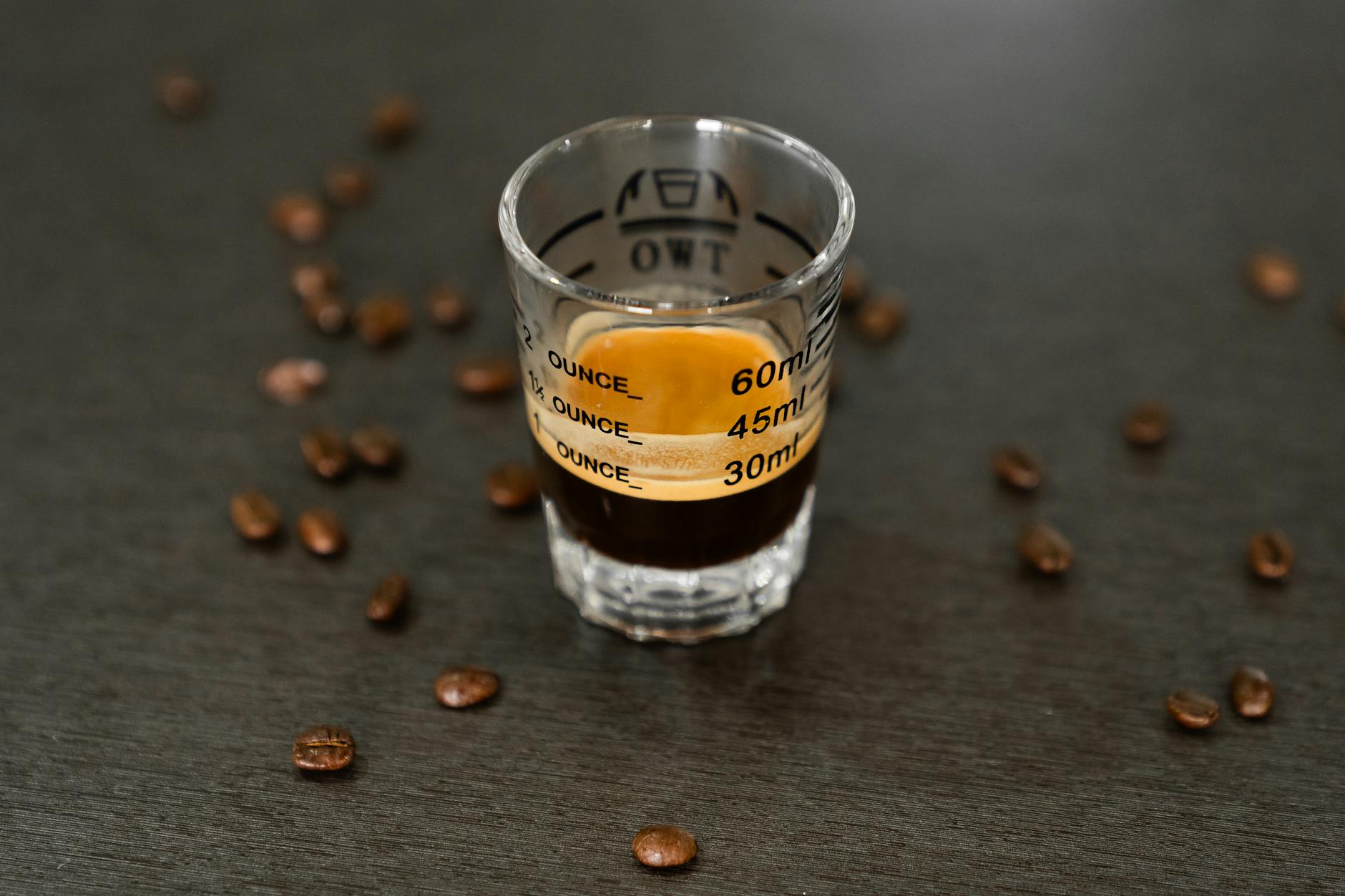
The secret to perfect crema: How PID precision shapes your espresso
The pursuit of the perfect espresso shot is a journey filled with variables. From the bean origin and roast level to the grind size and tamping pressure, every detail matters. Among these, one of the most critical yet often overlooked elements is temperature stability. The rich, hazelnut-colored crema and the syrupy, viscous texture we crave are direct results of a precise and consistent extraction. This is where modern technology, specifically the PID temperature controller, plays a transformative role. While traditional thermostats create wide temperature swings, a PID offers microscopic control. This article delves into the science of how this pinpoint temperature accuracy directly affects the formation of crema and the resulting texture in your cup, turning good espresso into a truly exceptional experience.
Understanding temperature’s role in espresso extraction
At its core, pulling an espresso shot is a process of chemical extraction. Hot, pressurized water is forced through a puck of finely-ground coffee, dissolving soluble compounds like sugars, acids, lipids (oils), and melanoidins. Temperature acts as the primary catalyst in this reaction. It dictates which compounds are extracted and at what rate, fundamentally shaping the final taste and body of the shot.
There exists a well-defined “sweet spot” for espresso extraction, generally accepted to be between 90°C and 96°C (195°F and 205°F). Deviating from this window, even slightly, can have dramatic consequences:
- Too cold: Water that isn’t hot enough will fail to extract enough of the desirable compounds. This leads to an under-extracted shot, characterized by a sour, acidic taste, a thin body, and a pale, anemic crema that dissolves almost instantly.
- Too hot: Conversely, water that is too hot will over-extract, pulling out unwanted bitter and astringent compounds. The result is a harsh, burnt-tasting espresso. The crema may appear dark and bubbly at first but is often thin and fragile, lacking the dense structure of a well-made shot.
Achieving and, more importantly, maintaining a precise temperature throughout the 25-30 second extraction is paramount. This foundational need for stability is what sets the stage for advanced temperature control systems.
What is a PID and how does it work?
Many entry-level espresso machines use a simple mechanical thermostat to regulate the boiler temperature. Think of it like the thermostat in a home oven; it turns the heating element on when the temperature drops below a certain point and off when it rises above another. This creates a significant temperature swing, or “deadband,” which can be as wide as 8-10°C. Your first shot might be pulled at 90°C and the next at 98°C, leading to frustratingly inconsistent results.
A PID (Proportional-Integral-Derivative) controller is a far more intelligent and sophisticated solution. It’s not just an on/off switch but a microprocessor-based feedback loop that constantly monitors and adjusts the power to the heating element. It works using a three-part algorithm:
- Proportional: This component measures the current difference between the actual temperature and your target temperature (the “error”). It applies corrective power proportional to this error.
- Integral: This part looks at the accumulated error over time. It helps eliminate the small, steady-state temperature droop that the proportional component alone can’t fix, ensuring the boiler holds the exact target temperature.
- Derivative: This forward-thinking component anticipates future temperature changes by analyzing the rate of change. It dampens the heating element as it approaches the target to prevent overshooting, resulting in an incredibly stable system.
The result is that a PID-controlled machine can hold brew water temperature with incredible precision, often within ±0.5°C of the target. This unwavering stability is the key that unlocks consistent, repeatable, and high-quality extractions.
The direct link between PID stability and crema formation
Crema is more than just a pretty foam on top of your espresso; it’s a complex emulsion of coffee oils, microscopic coffee solids, and carbon dioxide (CO2) gas, which is naturally present in freshly roasted beans. The quality, color, and persistence of this layer are immediate indicators of a well-executed extraction, and temperature stability is its chief architect.
A PID controller’s precision directly influences the two primary building blocks of crema. First, the emulsification of coffee oils. To create a stable emulsion, these oils must be extracted efficiently without being scorched. The consistent temperature provided by a PID ensures that these lipids are gently and fully rendered from the coffee grounds, forming the backbone of the crema. A volatile temperature swing can either fail to extract enough oils (too cold) or break them down with excessive heat, leading to a weak structure.
Second is the effective trapping of CO2 gas. As hot water hits the coffee, it causes the trapped CO2 to be released. In a stable temperature environment, this gas is perfectly captured within the web of emulsified oils, creating tiny, resilient bubbles that give crema its dense, mouse-like texture and persistence. When the temperature fluctuates, the gas release can be too violent or too weak, resulting in large, fragile bubbles that pop and disappear in seconds, leaving a sad, dark liquid behind.
From crema to texture: The impact on mouthfeel
The very same elements that create a beautiful crema are also responsible for the luxurious texture and mouthfeel of the espresso. The visual appeal of crema is intrinsically linked to the sensory experience of the shot’s body. A PID’s ability to deliver a consistent extraction profile is what transforms a shot from merely “strong coffee” into a rich, syrupy nectar.
The body of an espresso is largely determined by the quantity of dissolved solids and, crucially, the emulsified oils suspended in the liquid. PID stability ensures a balanced extraction that captures a high concentration of these components. This leads to a higher viscosity and a full-bodied mouthfeel that coats the palate. Without this stability, the texture becomes unpredictable. One shot might feel thin and watery due to under-extraction, while the next might feel dry and astringent from the harsh compounds pulled by excessive heat.
By locking in the temperature, a PID gives the barista ultimate control over the final texture. You can confidently dial in your coffee to achieve a specific profile—be it silky and smooth or heavy and syrupy—knowing that the machine will deliver that same result every single time.
| Feature | Traditional Thermostat (±4°C Swing) | PID Controller (±0.5°C Swing) |
|---|---|---|
| Crema Color | Often inconsistent; pale or overly dark. | Rich, hazelnut or reddish-brown. |
| Crema Persistence | Fragile, dissipates quickly. | Dense, long-lasting. |
| Shot Flavor | Inconsistent; swings between sour and bitter. | Balanced, sweet, and complex. |
| Mouthfeel/Texture | Watery or astringent. | Silky, viscous, and full-bodied. |
| Shot-to-Shot Consistency | Low. Each shot can be different. | High. Extremely repeatable results. |
Conclusion
In conclusion, the role of temperature in espresso extraction cannot be overstated. It is the invisible hand guiding the development of flavor, aroma, and, most visually, crema and texture. While traditional thermostats offer a blunt approach, their wide temperature swings make consistency an elusive goal. A PID controller, with its intelligent and precise management, transforms the espresso machine into a reliable, scientific instrument. By maintaining an unwavering temperature, a PID ensures the optimal and repeatable extraction of coffee oils and the effective trapping of CO2, which are the fundamental pillars of a rich, persistent crema. This, in turn, guarantees a shot with a luxurious, full-bodied texture. For any coffee enthusiast looking to elevate their craft, a PID is not a mere feature; it is the cornerstone of control and consistency.


 No products in the cart.