

Does a PID speed up your Gaggia Classic? The truth about heat-up times
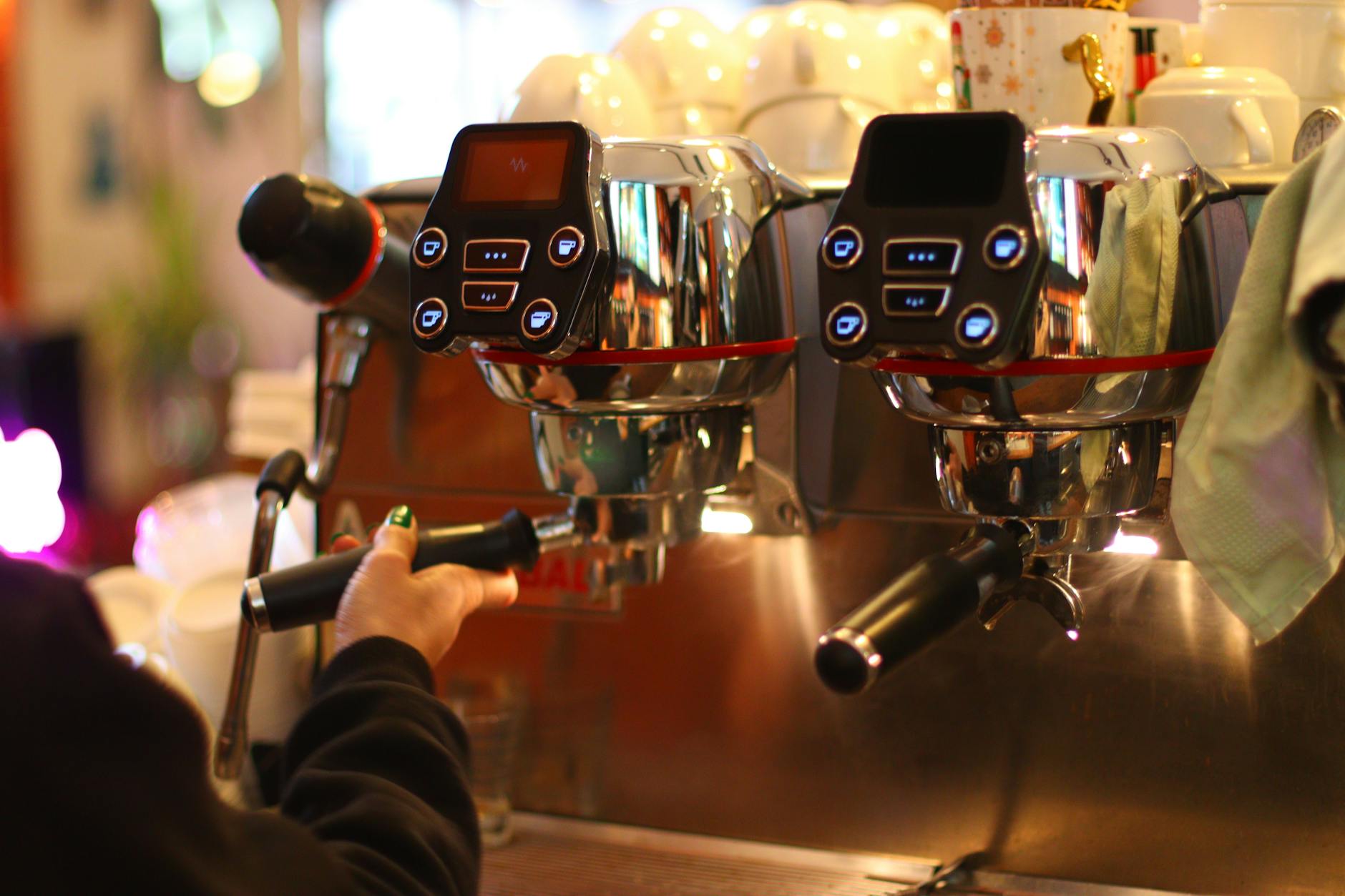
The Gaggia Classic is a legendary machine in the world of home espresso, celebrated for its robust build and potential to produce cafe-quality shots. However, its biggest weakness is its reliance on a simple bimetallic thermostat, leading to frustrating temperature instability. This is why a PID (Proportional-Integral-Derivative) controller is the most popular upgrade for this machine. It promises precise temperature control, but a common question arises: does installing a PID actually reduce the total heat-up time? While many hope for a simple “yes,” the reality is more nuanced. A PID fundamentally changes how the machine heats up, shifting the focus from a misleading “ready” light to true thermal stability, which ultimately affects your workflow and wait time.
Understanding the stock Gaggia Classic heat-up process
To appreciate what a PID does, we first need to understand the stock Gaggia Classic’s behavior. The machine is controlled by two separate thermostats, one for brewing and one for steam. For brewing, the thermostat works like a simple light switch. It tells the heating element to turn on full blast until the water in the boiler reaches a high temperature, often well over 100°C. At this point, the “ready” light illuminates, and the heating element switches off completely.
This is where the problem begins. The light turning on doesn’t mean the machine is ready for a great shot. It only means the boiler water is, for a moment, very hot. The massive brass group head and portafilter are still relatively cool. As the boiler water starts to cool down, the heat slowly transfers to these components. The thermostat will only kick the heater back on when the temperature drops significantly, perhaps by 10-15°C. This creates a wide, unpredictable temperature swing. Experienced users learn to “temperature surf” by timing their shots relative to the heating cycle, a process that requires practice and a bit of luck.
The key takeaway is that the initial 5-7 minute wait for the ready light is misleading. To get the entire system—boiler, group head, and portafilter—properly heated and thermally stable for a consistent shot, you typically need to leave the machine on for at least 15-20 minutes, often with some strategic water flushing to speed things up.
How a PID controller changes the game
A PID controller replaces the crude on-off thermostat with a sophisticated microcomputer. Think of the stock thermostat as a driver who either floors the accelerator or slams on the brakes. A PID, in contrast, is like an advanced cruise control system for temperature. It constantly measures the boiler’s temperature via a precise thermocouple and uses a complex algorithm to intelligently pulse the heating element.
Instead of waiting for a massive temperature drop, the PID makes tiny, rapid adjustments to keep the temperature locked in on your target, often with a stability of +/- 0.1°C. When heating from cold, it applies full power initially. But as it gets closer to your set temperature (for example, 93°C), it starts to ease off, pulsing the power to prevent overshooting the mark. This methodical approach is the foundation for a completely different heating dynamic and a much more stable brewing environment.
A tale of two heat-ups: Initial time vs. thermal stability
So, does the PID make the machine heat up faster? If we are only measuring the time it takes for the boiler water to reach brewing temperature for the first time, the answer is generally no. The PID doesn’t upgrade the power of the heating element itself; it can’t physically heat the water faster than the stock thermostat, which also runs it at 100% power. In fact, because the PID is designed to avoid overshooting the target temperature, it might take 30-60 seconds longer to reach a stable 93°C than it takes the stock machine’s “ready” light to first turn on (at a much higher, unstable temperature).
However, this initial heat-up time is not the important metric. The real goal is achieving thermal stability across the entire machine. This is where the PID provides a significant advantage. Because the PID holds the boiler at a perfectly constant temperature, the heat transfer to the heavy brass group head is far more efficient and consistent. There are no wild temperature swings in the boiler, so the group head absorbs heat steadily. This means the whole system reaches a state of equilibrium, where it’s truly ready to brew, much more predictably and often more quickly than a stock machine.
The verdict: Faster to a great shot
While a PID won’t break the laws of physics and make your heating element more powerful, it dramatically reduces the time it takes to get your Gaggia Classic ready for a high-quality, repeatable espresso shot. It transforms the warm-up period from a guessing game into a reliable and straightforward process.
Let’s compare the practical workflow:
| Feature | Stock Gaggia Classic | Gaggia Classic with PID |
|---|---|---|
| Initial ‘ready’ indicator | Misleading ‘ready’ light in 5-7 mins | PID display shows precise temp |
| Temperature at ‘ready’ | Highly variable and too hot (e.g., >100°C) | Precise and stable (e.g., 93.0°C) |
| Process to become shot-ready | Requires 15-25 minutes plus “temperature surfing” and flushing to stabilize the group head. | Requires 10-15 minutes of passive waiting for the system to reach thermal equilibrium. No surfing needed. |
| Consistency | Low. Every shot is a variable. | High. Every shot is pulled at the same temperature. |
As the table shows, the true benefit isn’t about the first five minutes. It’s about reducing the total “hands-on” time and mental effort required to prepare for a shot. With a PID, you can turn the machine on, wait 10-15 minutes, and be confident it’s perfectly stable and ready to go.
In conclusion, a PID controller does not significantly shorten the initial time it takes for the boiler to get hot. The heating element’s power is the limiting factor. However, it drastically improves the efficiency of the overall heating process by eliminating temperature swings. This allows the entire machine, especially the critical group head, to reach thermal stability more quickly and reliably. The result is a shorter effective heat-up time; you get to a state of being ready to pull a great, consistent shot faster than you would with a stock machine that requires extensive temperature management. So, while the clock might not show a huge difference in the first few minutes, the PID absolutely speeds up your workflow and gets you to your delicious espresso with far less waiting and guesswork.


 No products in the cart.