

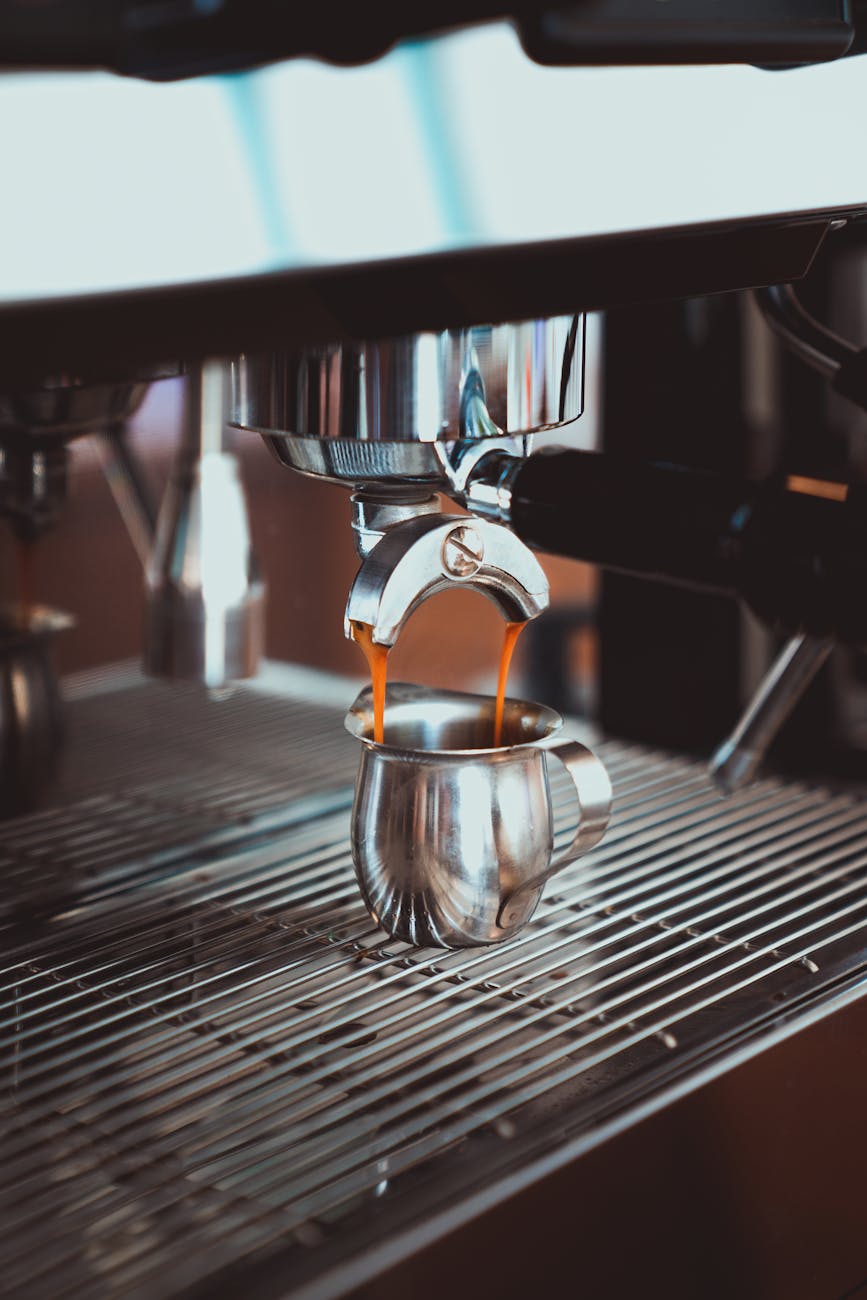
The science of cup clearance: Why distance from the spout matters
When selecting a coffee or espresso machine, we often focus on marquee features like pressure, temperature control, and grinding capabilities. Yet, a seemingly minor detail often goes overlooked: cup clearance. This refers to the vertical space between the machine’s spout and the drip tray where your cup rests. While it might appear to be a simple matter of whether your favorite mug fits, the science behind this distance is far more profound. Cup clearance directly impacts the quality, taste, and temperature of your final brew. This article will explore the physics of the pour, delving into how this small gap can make a significant difference in preserving delicate crema, maintaining thermal stability, and ensuring the overall versatility of your machine.
The physics of the pour: Crema and splashing
For espresso lovers, crema is the holy grail. This reddish-brown, velvety foam is not just for looks; it’s composed of emulsified oils, proteins, and sugars that contribute significantly to the aroma and flavor profile of the shot. The journey from the portafilter spout to the cup is a perilous one for this delicate structure. When the distance is too great, the stream of espresso accelerates due to gravity, hitting the surface in the cup with greater force.
This increased velocity has two negative effects:
- Crema degradation: The violent impact can break down the fine bubbles that make up the crema, causing it to dissipate quickly. Instead of a thick, lasting layer, you are left with a thin, weak foam that vanishes before you can even take your first sip.
- Splashing: A long drop inevitably leads to splashing. This not only creates a mess on your machine and counter but also affects the integrity of the drink. The splash can cause an uneven distribution of coffee solids and oils, potentially altering the intended flavor profile.
By minimizing the distance, you ensure a gentler pour. The espresso flows smoothly into the cup, preserving the intricate structure of the crema and delivering the full-bodied, aromatic experience the barista or machine intended.
Temperature stability: A race against the cold
Espresso is a beverage of precision, and temperature is one of its most critical variables. The ideal brewing temperature is typically between 195°F and 205°F (90°C to 96°C). As soon as the liquid leaves the spout, it begins to cool as it travels through the ambient air. A longer drop means more travel time and greater exposure to the cooler air, resulting in a significant loss of heat before the coffee even reaches your cup.
Even a drop of a few degrees can have a noticeable impact on taste. A shot that is too cool can taste sour or underdeveloped, as the heat is insufficient to properly extract the sweet, complex flavor compounds from the coffee grounds. By having a shorter cup clearance, you minimize this thermal loss, ensuring the espresso arrives in the cup closer to its optimal brewing temperature. This helps preserve the balanced, rich flavors and prevents the introduction of unwanted acidity. In the world of specialty coffee, where every degree matters, a short and swift pour is key to a perfect extraction.
Practicality and versatility: Beyond the espresso cup
While the science of crema and temperature is crucial for purists, the practical implications of cup clearance affect every coffee drinker. Your brewing needs likely extend beyond a traditional demitasse. Do you enjoy a large latte in a tall glass, a travel mug for your morning commute, or an Americano in your favorite ceramic mug? A machine with limited cup clearance can be surprisingly restrictive, forcing you to brew into a small shot glass and then transfer the coffee, which is an extra, messy step that also contributes to heat loss.
This is where modern machine design comes into play. Many manufacturers now recognize this user need and offer solutions like:
- Removable drip trays: This is the most common solution, allowing you to temporarily remove the tray to accommodate much taller cups.
- Adjustable trays: Some high-end models feature drip trays that can be set at multiple heights, giving you the flexibility to get a perfect, short pour for an espresso and a taller clearance for a larger drink.
Considering the types of drinks you make most often is essential. A machine that adapts to your lifestyle, rather than forcing you to adapt to its limitations, will provide a much more satisfying and versatile daily experience.
Measuring for success: How to choose the right machine
Before you invest in a new coffee machine, it’s wise to think about cup clearance. Don’t just rely on product photos; look for the specific measurement in the product specifications. Better yet, measure your most frequently used cups and mugs at home. Take note of the height from the base to the rim. This simple step can save you from the future frustration of a beloved mug not fitting.
To help guide your decision, here is a general breakdown of cup clearance heights and what they can accommodate.
| Clearance Range | Suitable For | Considerations |
|---|---|---|
| Up to 3.5 inches (9 cm) | Traditional espresso cups (demitasse), small shot glasses. | Very restrictive. You will need to transfer shots for larger drinks. |
| 3.5 to 4.5 inches (9 – 11.5 cm) | Standard cappuccino cups, most small-to-medium coffee mugs. | A good middle ground for many users, but may not fit taller latte glasses. |
| 4.5 inches+ (11.5 cm+) or with a removable tray | Tall latte glasses, travel mugs, large coffee mugs. | Offers maximum versatility for all types of coffee drinks. Ideal for those who enjoy variety. |
By cross-referencing your needs with these measurements, you can make an informed choice that ensures your new machine is a perfect fit for your coffee routine, both literally and figuratively.
In conclusion, cup clearance is far more than a simple measurement of space. It is an integral component of the coffee-making process that directly influences the scientific and sensory aspects of your brew. As we’ve explored, the distance from the spout to the cup affects the stability of the crema, the thermal integrity of the espresso shot, and the overall practicality of the machine. A shorter drop preserves the delicate foam and flavor-critical heat, while a versatile, adjustable clearance accommodates the modern coffee drinker’s diverse needs. So, the next time you are evaluating a coffee machine, look beyond the bells and whistles. Pay attention to this subtle yet crucial detail; it might just be the secret to elevating your daily coffee from good to truly exceptional.



 No products in the cart.