

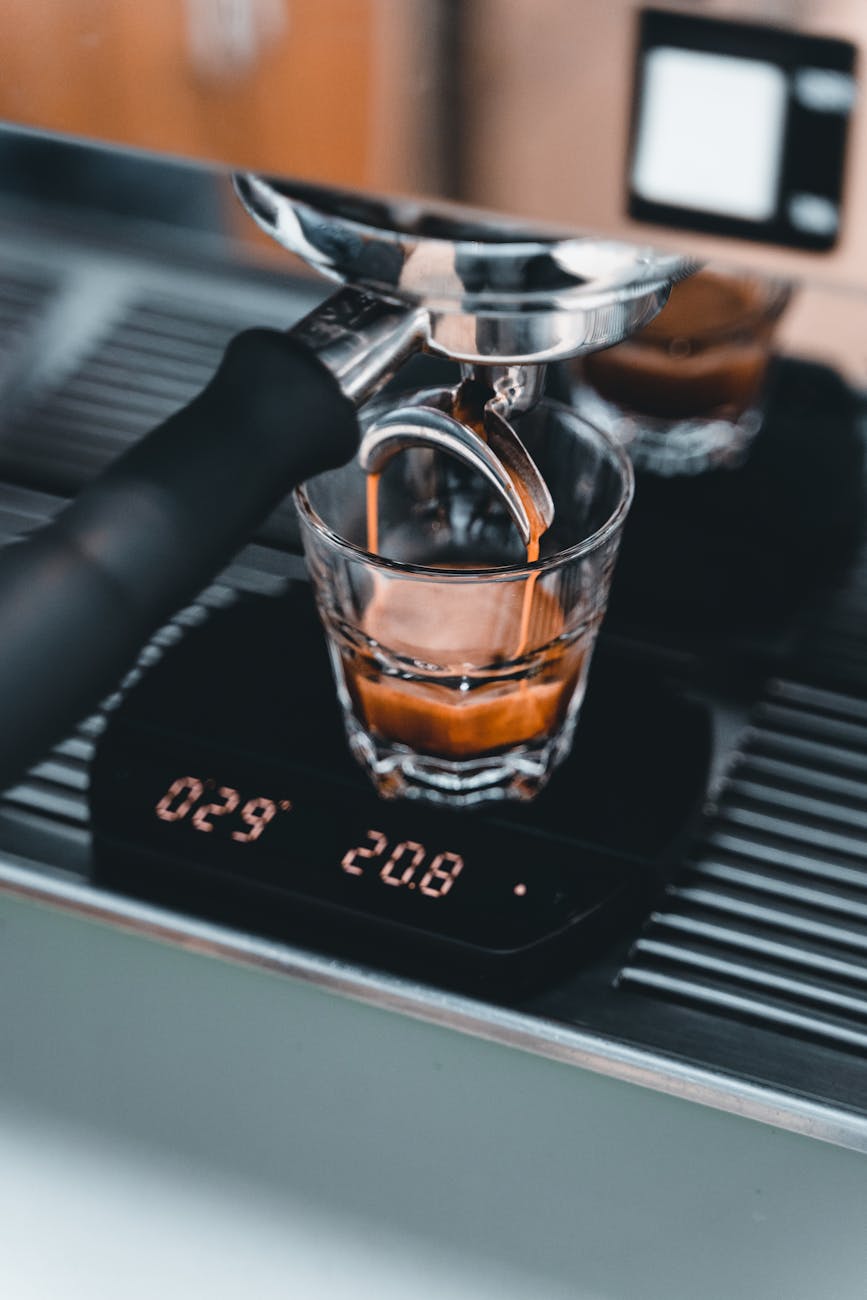
The subtle science: Unpacking the relationship between portafilter height and shot consistency
Every home barista and seasoned professional obsesses over the core variables of espresso: grind size, dose weight, water temperature, and extraction time. We invest in high-end grinders and precision scales to control every milligram and microsecond. Yet, a frequently overlooked physical variable plays a subtle but significant role in the final quality of your shot—the distance the espresso falls from the portafilter to the cup. This vertical journey, or portafilter height, can influence everything from crema integrity to temperature stability. In this article, we will explore the nuanced relationship between this height and your shot-to-shot consistency, revealing how mastering this simple spatial element can elevate your espresso game from good to great.
Understanding portafilter design and its impact on drop distance
Before we can analyze the effects of height, we must first understand how the equipment itself dictates the starting point of the espresso’s fall. The type of portafilter you use is the primary factor in determining the initial drop distance. The two most common types in modern espresso are the traditional spouted portafilter and the increasingly popular bottomless (or naked) portafilter.
A spouted portafilter is designed with one or two spouts at its base, which collect the espresso as it passes through the basket and directs it into the cup. This design adds several centimeters of vertical distance. In contrast, a bottomless portafilter has its base completely removed, exposing the underside of the filter basket. The espresso drips directly from the basket perforations into the cup, significantly reducing the fall height. This fundamental design difference is the first variable to consider when assessing your setup for shot consistency.
| Feature | Spouted portafilter | Bottomless portafilter |
|---|---|---|
| Drop height | Higher (espresso falls from the spouts) | Lower (espresso falls directly from the basket) |
| Crema impact | More potential for aeration and dissipation due to longer fall | Preserves crema structure more effectively |
| Diagnostic ability | Hides extraction flaws like channeling | Exposes channeling and uneven extraction immediately |
| Temperature loss | Slightly higher potential for heat loss during the fall | Minimal heat loss due to shorter distance |
The physics of the fall: How height affects espresso extraction
Once the espresso leaves the basket or spout, its brief journey to the cup is governed by physics. While the drop may only last a fraction of a second, several changes can occur. The most obvious effect of a greater height is splashing. With a bottomless portafilter, a long drop can cause aggressive splashing, especially if the extraction isn’t perfectly even. This not only creates a mess but can also disrupt the delicate layers of the shot as it builds in the cup.
More subtly, a longer fall introduces more air into the liquid. This increased aeration can degrade the rich, velvety texture of the crema, causing it to become overly bubbly and dissipate more quickly. Think of it like pouring a carbonated beverage from a great height—you lose a lot of the fine bubbles. The same principle applies to the delicate foam of an espresso shot. Furthermore, the espresso is exposed to the ambient air for a longer period, leading to a marginal but measurable drop in temperature. For lighter roasts with delicate floral or acidic notes, even a small temperature change can mute the flavor profile you worked so hard to extract.
From theory to taste: Practical implications for your final cup
Connecting the physics to the sensory experience is where the importance of portafilter height becomes clear. A consistent, minimal drop distance helps you produce more repeatable results, which is the cornerstone of great espresso. When you minimize the fall, you are better preserving the shot’s original state as it exits the basket.
This preservation directly impacts two key areas:
- Mouthfeel and texture: By protecting the crema from excessive aeration and disruption, a shorter drop helps maintain a silky, viscous mouthfeel. The crema contributes significantly to the perceived body of the espresso, and keeping it intact is crucial for a rich sensory experience.
- Flavor clarity: Maintaining the shot’s temperature is vital for flavor perception. A shot that cools too quickly on its way to the cup can taste flatter and less vibrant. By reducing the drop distance, you ensure the espresso arrives in the cup closer to its ideal extraction temperature, allowing its full aromatic complexity to shine through.
In essence, controlling the portafilter height is another step in reducing unwanted variables. Just as you control your dose to the tenth of a gram, controlling the drop distance to the nearest centimeter helps eliminate inconsistencies that can muddy your results.
How to optimize your setup for maximum consistency
Fortunately, controlling portafilter height is relatively simple and doesn’t require expensive new equipment. It’s about being mindful of your workflow and making small adjustments. The first step is choosing the right tools. Using a low-profile espresso scale is one of the easiest and most effective changes you can make. Many popular scales are quite thick, forcing you to place your cup further from the portafilter. Investing in a slim scale can instantly reduce the drop distance by a centimeter or more.
Many modern espresso machines also feature adjustable drip trays. If your machine has this feature, use it! Set the drip tray to its highest possible position that still comfortably fits your cup and scale. Finally, consider your cup choice. A shorter, wider cup will naturally sit closer to the portafilter than a tall, narrow one. While you shouldn’t sacrifice a cup you love, being aware of how its dimensions affect the setup can help you make more consistent choices. For those using bottomless portafilters, these adjustments are especially critical for preventing mess and preserving shot quality.
Conclusion
While variables like grind size and brew ratio will always be the stars of the espresso-making show, the supporting cast of factors like portafilter height deserves attention. We’ve seen how the physical design of a portafilter—spouted versus bottomless—sets the stage, and how the subsequent drop distance can impact crema, temperature, and overall shot integrity. This is not just a theoretical exercise; it has tangible effects on the flavor and texture in your cup. By making simple, conscious adjustments to your setup, such as using a low-profile scale, raising your drip tray, and selecting appropriate cups, you can minimize this variable. Mastering this detail brings you one step closer to achieving true shot-to-shot consistency and pulling the perfect espresso, every single time.
 No products in the cart.