

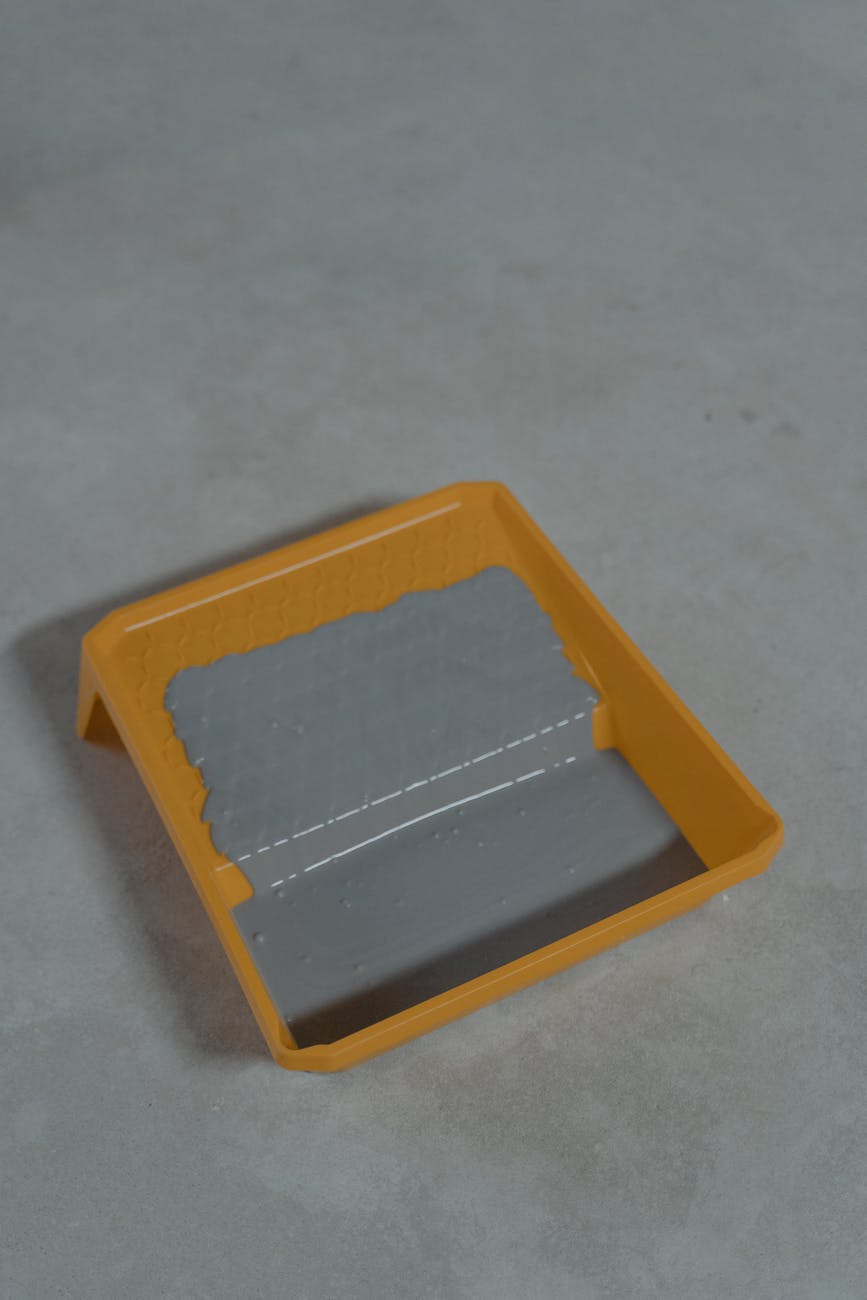
The final touch to any premium beverage setup, whether it’s a home kegerator or a high-end espresso machine, is the drip tray. It’s a small detail that makes a huge difference in cleanliness and aesthetics. In the past, the choice was simple, but today’s market presents a compelling new contender. The decision now often comes down to two very different materials: classic, durable stainless steel and modern, customizable 3D prints. This article will serve as your guide to navigating this choice. We will delve into the distinct advantages and potential drawbacks of both 3D printed and stainless steel slim drip trays, helping you determine which option best suits your needs, budget, and style for that perfect finishing touch.
The essential role of a slim drip tray
Before comparing materials, it’s important to understand why a slim drip tray is often the ideal choice. Standard drip trays can be bulky, taking up valuable counter space and sometimes looking out of place in a sleek, modern kitchen or bar area. A slim drip tray, by contrast, is designed with a low profile. Its primary function remains the same: to catch drips and spills from your taps or portafilter, preventing sticky messes and protecting your surfaces. However, its minimalist design ensures it integrates seamlessly into your setup without being obtrusive. This makes it perfect for applications where space is at a premium or where a clean, uncluttered look is a top priority for your coffee corner or home bar.
The timeless appeal of stainless steel
Stainless steel has long been the gold standard for bar and kitchen equipment, and for good reason. Its reputation is built on a foundation of exceptional durability and hygiene. A stainless steel slim drip tray is an investment in longevity. It can withstand daily use, resist rust and corrosion, and handle the occasional dropped glass or portafilter without showing significant wear and tear.
From a cleanliness perspective, its non-porous surface is a major advantage. It doesn’t harbor bacteria and can be easily wiped down or put in the dishwasher, ensuring a sanitary environment for your beverage preparation. Aesthetically, stainless steel offers a professional, commercial-grade look that complements a wide range of appliances and decor styles. While the initial cost may be higher than its 3D printed counterpart, its long lifespan and robust nature often make it the more cost-effective choice in the long run.
The modern versatility of 3D printing
The advent of 3D printing has revolutionized product design, and drip trays are no exception. The single greatest advantage of a 3D printed drip tray is customization. Do you need a tray with very specific dimensions to fit a unique machine? Do you want it in a vibrant color to match your kitchen’s theme, or even with your initials or a logo embedded in the design? 3D printing makes all of this possible and affordable.
These trays are typically printed from materials like PETG or PLA. PETG is often preferred for this application as it is more durable, heat-resistant, and generally considered food-safe. 3D printed trays are also incredibly lightweight and significantly cheaper to produce initially. However, they do have trade-offs. They are generally not as durable as stainless steel and can be susceptible to warping if exposed to very high temperatures, like hot water from a group head flush. The layered nature of the print can also create tiny crevices that require more diligent cleaning to keep hygienic.
A direct comparison: 3D print vs. stainless steel
Choosing the right material ultimately comes down to your priorities. What one person values in a drip tray, another may find less important. To make the decision clearer, let’s break down the key differences in a head-to-head comparison.
| Feature | 3D Printed Drip Tray | Stainless Steel Drip Tray |
|---|---|---|
| Durability | Moderate. Can scratch or break on heavy impact. Susceptible to heat damage depending on the material. | Excellent. Highly resistant to impact, scratches, and corrosion. Will last for years. |
| Customization | Nearly limitless. Custom sizes, shapes, colors, and logos are easily achievable. | Very limited. Generally available only in standard sizes and a single finish. |
| Hygiene & Cleaning | Good. Requires thorough cleaning to prevent buildup in layer lines. Not always dishwasher safe. | Excellent. Non-porous surface is easy to sanitize. Almost always dishwasher safe. |
| Cost | Low initial cost. Very affordable for custom or one-off designs. | Higher initial cost, but offers excellent long-term value due to longevity. |
| Aesthetics | Modern and personal. Can be a unique design element or perfectly match a specific color scheme. | Professional and timeless. Offers a classic, commercial-grade look that matches most appliances. |
| Heat Resistance | Moderate. PETG is better than PLA, but can still warp with direct, high heat. | Excellent. Unaffected by hot water spills or placement under hot equipment. |
Making your final decision
So, which slim drip tray is the right choice for you? There is no single correct answer, as the ideal option hinges entirely on your specific needs and priorities. If you are on a tight budget, require a non-standard size, or want a tray that adds a unique pop of color and personality to your setup, the 3D printed route is an outstanding choice. It offers unparalleled flexibility and affordability. On the other hand, if your primary concerns are maximum durability, effortless cleaning, and a timeless, professional aesthetic that will last a lifetime, investing in a stainless steel drip tray is the clear winner. It’s a workhorse designed for longevity and performance.



 No products in the cart.