

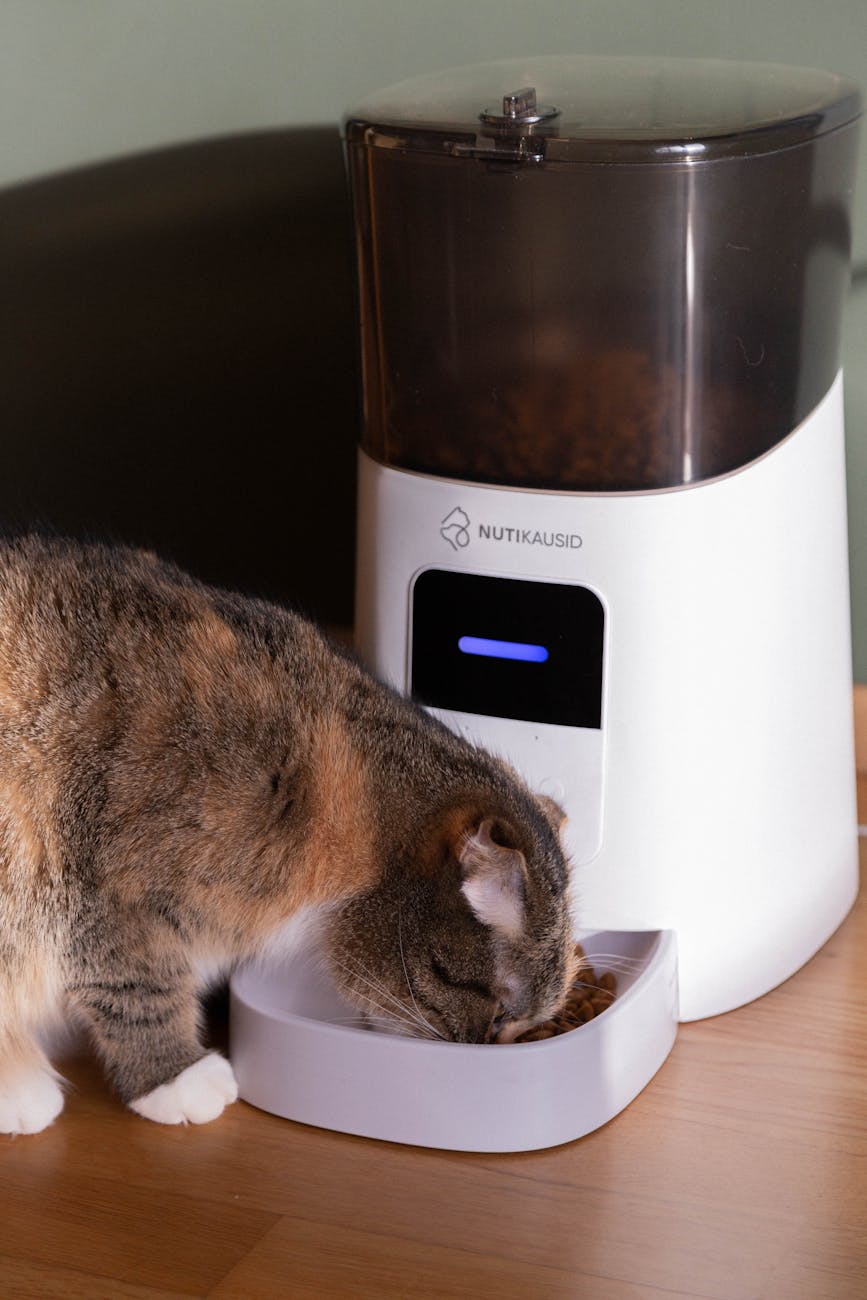
Watching a beloved pet gulp down their food in seconds is a familiar sight for many owners. While it might seem like a sign of a healthy appetite, this rapid eating can lead to serious health issues, from uncomfortable indigestion to life-threatening bloat. This is where a slow feeding workflow comes in. It’s more than just buying a special bowl; it’s a mindful approach to your pet’s mealtime that transforms it from a frantic race into an engaging and healthy activity. This guide will walk you through the essential steps to successfully implement a slow feeding routine, covering everything from understanding the core benefits to choosing the right tools and troubleshooting common challenges along the way, ensuring a smoother transition for you and your pet.
Understanding the ‘why’ behind slow feeding
Before changing your pet’s routine, it’s crucial to understand the reasons behind the switch. Fast eating isn’t just a bad habit; it poses tangible health risks. When a dog or cat eats too quickly, they swallow large amounts of air along with their food. This can lead to discomfort, regurgitation, and vomiting. In a worst-case scenario, particularly for deep-chested dog breeds, it can contribute to Gastric Dilatation-Volvulus (GDV), commonly known as bloat, a condition where the stomach twists and can quickly become fatal without immediate veterinary intervention.
Beyond the physical benefits, slow feeding provides essential mental enrichment. In the wild, animals spend a significant portion of their day foraging and hunting for food. Simply placing a bowl on the floor removes this natural challenge. A slow feeder reintroduces a problem-solving element to mealtime. This simple act of making them work for their food can reduce boredom, decrease anxiety, and help prevent destructive behaviors that often stem from a lack of mental stimulation. By understanding these health and behavioral benefits, you can better appreciate the value of the workflow we are about to build.
Choosing the right slow feeder for your pet
With a clear understanding of the benefits, the next step is selecting the appropriate tool. The market is filled with options, and the best choice depends on your pet’s species, size, personality, and the type of food they eat. There is no one-size-fits-all solution, so it’s important to consider your pet’s individual needs. For example, a dog with a short snout, like a Pug or French Bulldog, will need a shallower feeder than a German Shepherd to avoid frustration.
Slow feeders generally fall into a few main categories:
- Maze bowls: These are standard bowls with built-in obstacles and ridges that force pets to navigate around them to get to their kibble. They are a great starting point for most dogs.
- Lick mats: These flat, textured mats are perfect for wet food, yogurt, or other spreadable treats. Licking is a calming behavior for pets, making these excellent for anxious animals.
- Snuffle mats: Made of fleece strips, these mats mimic foraging in grass. You hide dry kibble within the strips, encouraging your pet to use their powerful sense of smell to find their meal.
- Puzzle toys: These are more advanced and require pets to roll, nudge, or manipulate the toy to dispense food. They offer the highest level of mental stimulation.
To help you decide, here is a breakdown of common options:
| Feeder Type | Best for | Difficulty Level | Primary Benefit |
|---|---|---|---|
| Maze Bowl | Dry kibble (Dogs) | Easy to Medium | Slowing down gulping |
| Lick Mat | Wet food, pastes (Dogs & Cats) | Easy | Promotes calming behavior |
| Snuffle Mat | Dry kibble (Dogs & Cats) | Medium | Encourages natural foraging |
| Puzzle Toy | Dry kibble, treats (Dogs & Cats) | Medium to Hard | Advanced mental stimulation |
The step-by-step implementation process
Once you’ve selected the perfect feeder, it’s time to introduce it into your pet’s routine. Abruptly swapping their familiar bowl for a complex puzzle can cause stress and confusion, so a gradual, positive approach is key to long-term success. The goal is to make them see the new feeder as a fun and rewarding game, not a frustrating barrier to their food.
- Positive association: Start by using the new slow feeder for something other than a full meal. Place a few high-value treats in the easiest parts of the puzzle. Let your pet explore it without pressure. This helps them associate the new object with a positive, tasty reward.
- Gradual transition: For the first few days, use both the old bowl and the new feeder. Put a small portion of their meal in the slow feeder and the rest in their regular bowl. Gradually increase the amount of food in the slow feeder and decrease the amount in the old bowl over the course of a week until they are eating their entire meal from the new feeder.
- Supervise and assist: Always watch your pet during the first several uses. If they become overly frustrated, show them how to get the food out. You can nudge the toy or point to the kibble with your finger. Supervision also ensures they aren’t chewing on or damaging the feeder itself.
- Adjust the difficulty: If your pet masters the feeder instantly, you might consider a more challenging puzzle for added enrichment. Conversely, if they are struggling and giving up, make it easier by only using parts of the puzzle or choosing a simpler design to start.
Monitoring success and troubleshooting common issues
Implementing the workflow is just the beginning. The final step is to monitor your pet’s progress and address any issues that arise. Success isn’t just about a longer mealtime; it’s about observing positive changes in your pet’s health and behavior. You’ll know it’s working if you notice a reduction in post-meal regurgitation, a more engaged and less anxious demeanor during meals, and a generally calmer pet afterward as they’ve expended both physical and mental energy.
However, you might encounter a few bumps in the road. Here’s how to troubleshoot common problems:
- Problem: My pet gets frustrated and walks away.
Solution: The puzzle is likely too difficult. Revert to an easier feeder or make the current one simpler. Smear a bit of wet food or peanut butter on it to increase their motivation to engage. - Problem: My pet is chewing and destroying the feeder.
Solution: This often happens with heavy chewers or when a pet is frustrated. Select a more durable material like a hard, BPA-free plastic or ceramic. Most importantly, remember that a feeder is a mealtime tool, not a chew toy. Remove it as soon as the meal is finished. - Problem: The slow feeder is making a huge mess.
Solution: This is common with enthusiastic eaters. Place the slow feeder on a lipped silicone mat or an easy-to-clean floor surface to contain any spills.
By staying observant and making small adjustments, you can fine-tune the workflow to perfectly suit your pet, ensuring mealtime is a safe, healthy, and enriching experience every day.
In conclusion, creating a slow feeding workflow is a simple yet profoundly effective way to enhance your pet’s overall well-being. It directly addresses the health risks associated with rapid eating, such as bloating and indigestion, while simultaneously providing a crucial outlet for their cognitive and instinctual needs. By following the steps outlined—understanding the critical reasons for the change, carefully selecting the right feeder for your pet’s unique needs, implementing it gradually and positively, and monitoring for any issues—you can transform mealtime from a two-minute race into a rewarding and enriching activity. This small adjustment to their daily routine pays huge dividends in their long-term health and happiness, strengthening the bond you share and ensuring they live a fuller, more stimulated life.
 No products in the cart.