

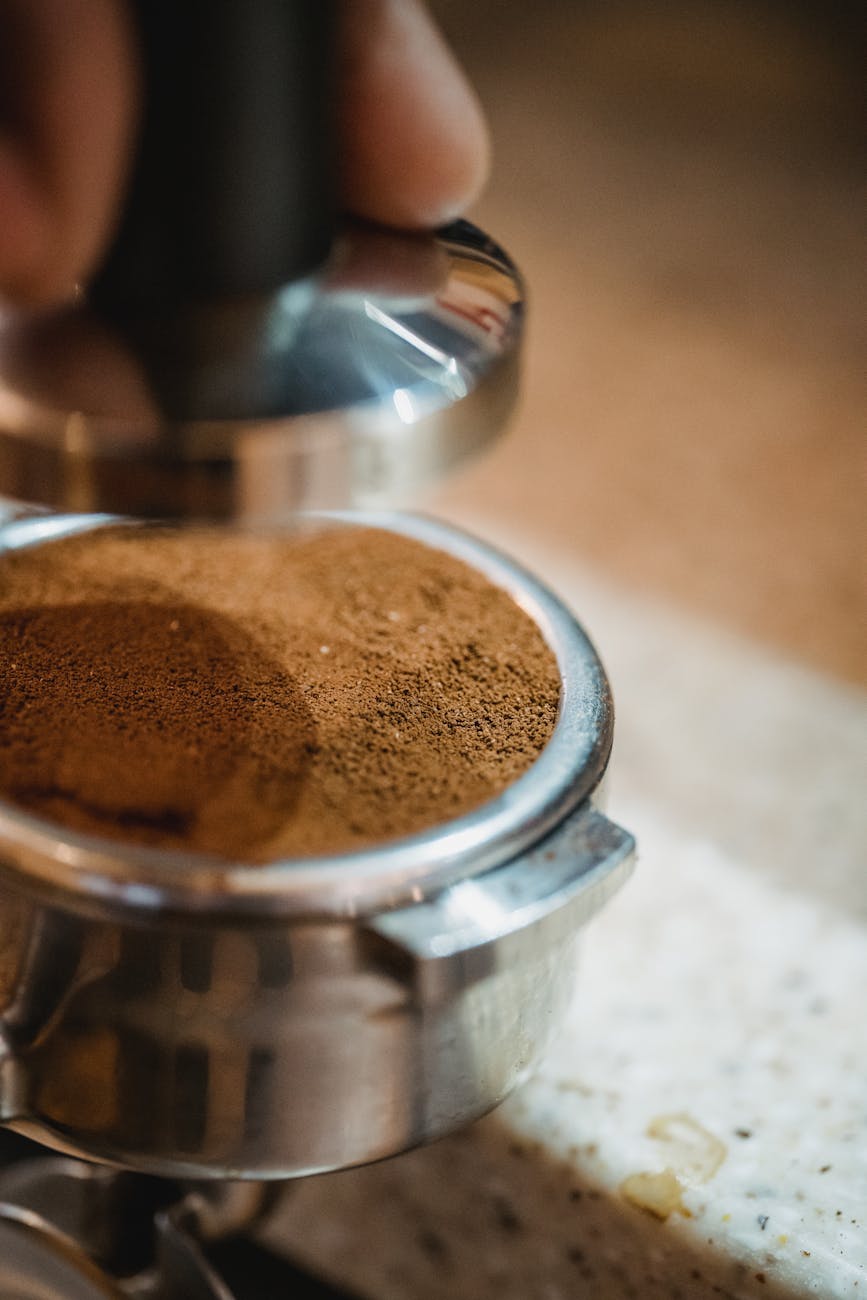
The quest for the perfect cup of coffee is a journey filled with variables, from bean origin and roast profile to water temperature and brew method. Yet, one of the most critical and often overlooked factors is the quality of the coffee grind itself. Achieving a consistent particle size is the foundation of a balanced extraction. Many coffee enthusiasts invest in expensive grinders, only to be frustrated by uneven results. The secret to unlocking your grinder’s true potential, however, might not be in an upgrade but in a simple change of technique. This article will explore the concept of slow feeding your grinder and delve into the science of why this method dramatically improves particle size consistency, leading to a noticeably better-tasting cup of coffee.
Understanding the goal: A uniform particle size
Before we can fix a problem, we must understand the ideal outcome. When grinding coffee, the goal is to create a batch of grounds that are as uniform in size as possible. In coffee terminology, an inconsistent grind produces two undesirable elements: fines and boulders.
- Fines: These are tiny, dust-like particles that are much smaller than the target grind size. Due to their high surface area, they extract very quickly, contributing bitter and harsh flavors to the final brew. They can also clog filters in methods like pour-over, leading to stalled brews and over-extraction.
- Boulders: These are large particles that are significantly bigger than the target grind size. Their low surface area prevents water from extracting the soluble compounds effectively, resulting in sour, acidic, and underdeveloped flavors.
When you have a mix of fines and boulders, you get an uneven extraction. You are simultaneously over-extracting the fines (bitterness) and under-extracting the boulders (sourness). This creates a muddled, unbalanced cup that hides the true flavor potential of the beans. The ideal grind has a unimodal distribution, meaning most particles are clustered around a single, target size. This allows for a uniform extraction, bringing clarity, sweetness, and balance to your coffee.
The chaos inside: What happens during a standard grind
Most people use their grinder by dumping an entire dose of beans into the hopper or inlet at once. While this is fast and convenient, it creates a chaotic environment inside the grinding chamber that is a major cause of inconsistency. Let’s break down what’s happening mechanically.
First, when a large volume of beans hits the spinning burrs, it puts a significant and sudden load on the grinder’s motor. This can cause the motor’s RPM (revolutions per minute) to dip and fluctuate. A stable RPM is essential for consistent grinding, and these fluctuations can cause the burrs to shatter beans unevenly. Second, the pressure from the column of beans above can cause microscopic shifts and wobbles in the burr alignment. Even in high-end grinders, this pressure can compromise the precise spacing between the burrs, leading to a wider particle distribution. Finally, the beans collide with each other in a phenomenon known as “popcorning,” chipping and fracturing before they are even properly fed into the burrs. This pre-fracturing creates excessive fines right from the start.
The solution: How slow feeding creates order
Slow feeding is the simple practice of introducing beans into the running grinder slowly and gradually, rather than all at once. This seemingly minor adjustment fundamentally changes the grinding dynamics and directly counteracts the issues described above. By feeding the beans in a gentle stream, you allow the grinder to operate in a more controlled and stable state.
The motor maintains a much more consistent RPM because it isn’t hit with a sudden, heavy load. This stability translates directly to the burrs, which can spin freely and grind each bean with greater uniformity. Furthermore, with no column of beans weighing down on them, the burrs maintain their precise alignment throughout the entire process. The “popcorning” effect is virtually eliminated, as beans are channeled directly into the burrs with minimal chaotic bouncing. This controlled entry ensures each bean is fractured cleanly, drastically reducing the creation of excess fines and allowing the burrs to do their job as designed: cutting coffee particles to a specific, uniform size.
Practical results and the impact on your coffee
Applying this technique is straightforward, especially for those who single-dose their coffee. Simply turn your grinder on and slowly pour your pre-weighed dose of beans into the inlet over the course of 5-10 seconds. The audible change is immediate; you’ll notice the grinder’s motor whirs at a more constant, less strained pitch.
The results go far beyond theory. Coffee professionals and home enthusiasts alike have observed a significant reduction in fines, leading to cleaner, sweeter, and more transparent cups of coffee. Channelling in espresso becomes less frequent, and pour-over drawdowns are more consistent. This technique complements other practices like the Ross Droplet Technique (RDT), which uses a spritz of water to reduce static. By reducing the friction of beans colliding, slow feeding also helps minimize static and retention. The table below illustrates the conceptual differences:
| Metric | Standard “Dump and Grind” | Slow Feeding Technique |
|---|---|---|
| Particle Distribution | Bimodal (high peaks for fines and boulders) | More Unimodal (a single, defined peak) |
| Fines Production | High | Significantly Reduced |
| Extraction Quality | Often uneven (sour and bitter notes) | More Balanced, Sweet, and Clear |
| Motor Strain | High initial load, RPM fluctuates | Consistent load and stable RPM |
Ultimately, slow feeding your grinder isn’t about fancy equipment; it’s about optimizing the equipment you already own. It’s a free, simple adjustment to your workflow that can pay massive dividends in flavor.
In conclusion, the journey toward better coffee is often one of refining technique rather than acquiring new gear. Grind consistency stands as a pillar of proper extraction, and the conventional method of dumping beans into a grinder actively works against this goal. By creating motor instability, burr misalignment, and chaotic bean collisions, this approach inherently produces an excess of both fines and boulders. Slow feeding directly remedies these issues by establishing a controlled, low-stress environment for the grinder to perform its job. It ensures a stable RPM and a clear path for each bean, drastically narrowing the particle size distribution. This simple, no-cost technique elevates the performance of any burr grinder, transforming your brews from muddled to magnificent. Give it a try; your taste buds will thank you.

 No products in the cart.