

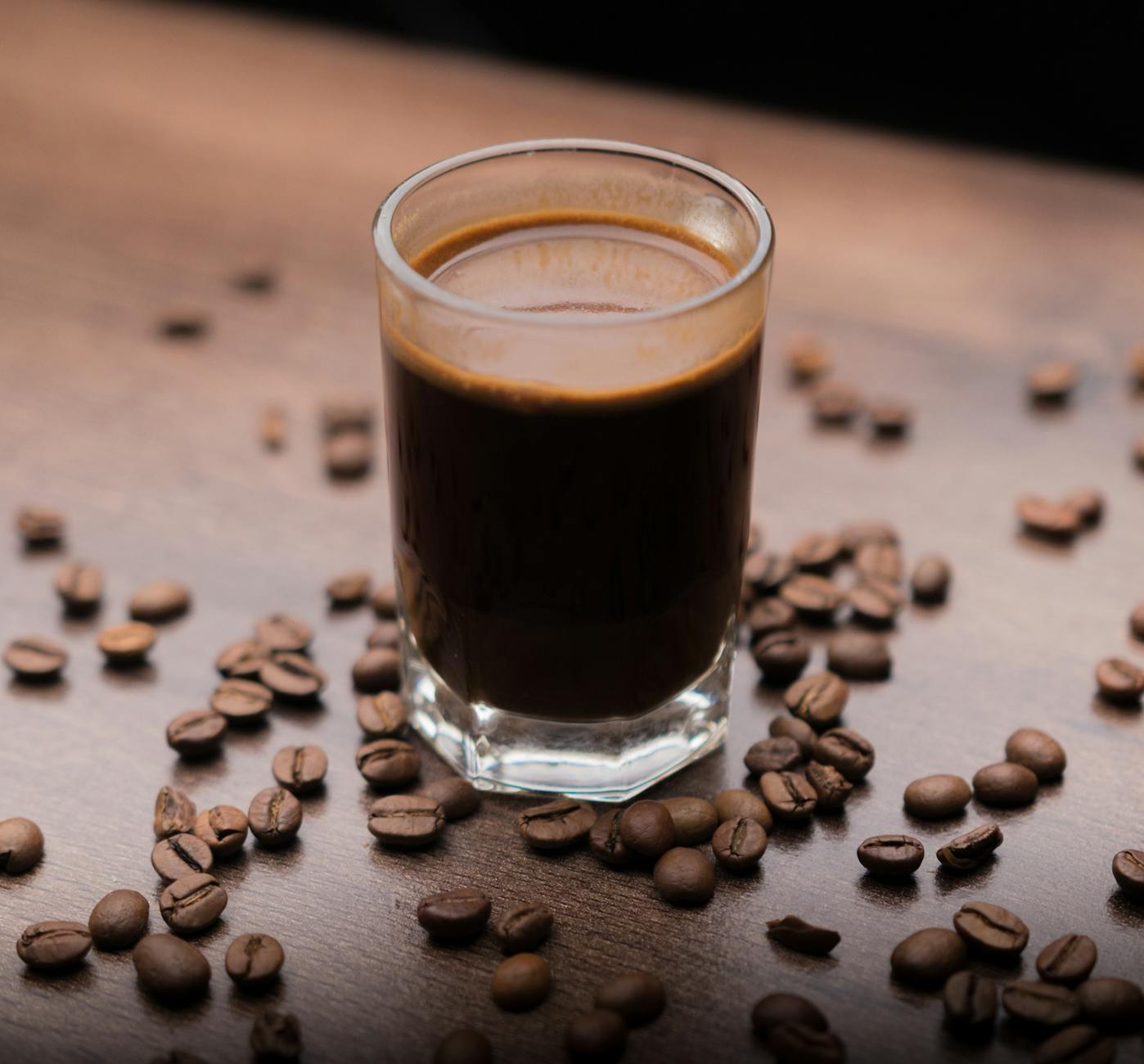
For any serious home barista or coffee professional, the pursuit of the perfect espresso shot is a daily ritual. We obsess over grinders, scales, and water temperature, yet often overlook a critical final step: the tasting process itself. Inconsistency in how we evaluate our shots can lead to confusing results, making it difficult to know if a change in technique was an improvement or a step backward. This article explores how to build a consistent and repeatable espresso tasting routine. We will focus on one of the most important yet underrated tools in this process—the standardized tasting cup. By controlling this final variable, you can create a reliable baseline to more accurately assess your espresso and truly refine your craft.
Why a consistent routine matters
In coffee brewing, we strive to control variables. We weigh our beans to the tenth of a gram, time our shots with a stopwatch, and use precise recipes. This scientific approach allows us to make small adjustments and understand their impact on the final taste. So why should the evaluation process be any different? When you taste espresso from a different cup each day—a large mug one morning, a small ceramic cup the next—you introduce new variables that affect your perception.
A cup’s material, thickness, and shape all influence:
- Temperature: A thick, preheated ceramic cup will maintain the espresso’s temperature, preserving its sweetness and aromatic compounds. A thin or cold cup will cause it to cool rapidly, accentuating acidity and bitterness.
- Aroma: A tulip-shaped cup with a narrower opening concentrates the volatile aromatic compounds, funneling them toward your nose for a more intense olfactory experience. A wide-mouthed bowl shape allows them to dissipate quickly.
- Mouthfeel and flavor perception: The shape of the cup’s lip can even influence how the liquid flows onto your palate, subtly changing how you perceive its texture and initial taste.
By using the same cup for every tasting, you eliminate these variables. This creates a stable, repeatable environment where the only thing changing is the espresso itself. It’s the foundation upon which you can build a reliable sensory memory and make more informed adjustments to your brewing.
Choosing your standard tasting cup
Selecting a single cup to use for all your analytical tastings is a crucial step. The goal isn’t to find the “best” cup in the world, but the best cup for creating a consistent baseline. The classic Italian espresso cup, a thick-walled porcelain vessel, is the industry standard for a reason. It offers excellent thermal stability and a neutral experience. However, other options exist, each with its own set of characteristics that can highlight different aspects of the espresso.
When making your choice, consider the material, shape, and volume. Porcelain is fantastic for heat retention. Glass allows you to visually inspect the crema and body, but it can lose heat faster unless it’s double-walled. A tulip shape is generally preferred for concentrating aromas, which is essential for sensory analysis. The volume should be appropriate, typically around 2-3 ounces (60-90 ml), to properly accommodate a double shot without it looking lost or cooling too fast.
| Cup Type | Material | Key Characteristics | Impact on Tasting |
|---|---|---|---|
| Classic Tulip | Thick-walled porcelain | Excellent heat retention; inward-curving rim. | Keeps espresso hot, concentrates aroma effectively. The industry standard for judging. |
| Double-walled Glass | Borosilicate glass | Good insulation; transparent. | Allows for visual analysis of crema and layering. Keeps espresso warm without preheating as much. |
| Bowl Shape | Thin-walled porcelain | Wide opening; cools down faster. | Opens up the aroma quickly but can lead to rapid temperature loss, altering the flavor balance. |
Choose one style that appeals to you and commit to it for your daily evaluation. This cup becomes your control, your unchanging frame of reference.
Building the step-by-step tasting ritual
With your standardized cup selected, you can now build a repeatable tasting ritual. This routine ensures you assess each shot in the same sequence, allowing for direct comparison between different brews. The process should engage all your senses, from sight to smell to taste and touch (mouthfeel).
Here is a simple, effective routine to follow:
- Prepare the cup: Always preheat your cup by filling it with hot water from your machine or kettle and letting it sit for at least 30 seconds. A hot cup prevents thermal shock to the espresso, preserving its delicate flavors. Discard the water just before you pull your shot.
- Visual analysis: As the espresso fills the cup, observe the crema. Note its color (hazelnut, reddish-brown, dark brown), its thickness, and its persistence. A good crema should be fine-textured and last for a minute or two.
- Aromatic analysis: Before your first sip, bring the cup to your nose. Give it a gentle swirl to release the volatile compounds. What do you smell? Note any distinct aromas like chocolate, nuts, fruit, or flowers.
- The first taste: Take a small, quick sip, “slurping” it to spray the coffee across your entire palate. This aerates the liquid and engages all your taste buds. Focus on the initial impressions: sweetness, acidity (brightness), and bitterness.
- The finish and mouthfeel: Take a second, more deliberate sip. This time, focus on the texture, or mouthfeel. Is it heavy and syrupy, or light and tea-like? Swallow and pay attention to the aftertaste, also known as the “finish.” Does the flavor linger pleasantly, or does it disappear quickly?
By following these steps in the same order every time, you train your brain and palate to look for the same sensory cues, making your evaluations far more consistent and insightful.
Documenting to refine your palate
The final piece of the puzzle is documentation. A consistent routine is powerful, but its benefits are magnified when you record your findings. A simple notebook or a digital app can serve as your espresso log. For each shot you evaluate, jot down a few key data points. Start with the basics: the coffee beans used, the dose, the yield, and the extraction time. Then, add your sensory notes from the tasting ritual.
Don’t worry about using fancy tasting notes at first. Simple descriptors work perfectly. Was it “sweet like caramel” or “bright like a lemon”? Was the body “heavy” or “thin”? Over time, this log will become an invaluable resource. You will start to see patterns emerge, connecting specific brew parameters to specific flavor outcomes. For example, you might discover that a slightly finer grind with your current beans brings out more chocolate notes, or that a shorter extraction time reduces bitterness. This feedback loop—brew, taste, document, adjust—is the fastest way to develop your palate and gain true control over your espresso making.
In conclusion, elevating your espresso from good to great requires more than just high-end equipment; it demands a methodical approach to tasting. Adopting a consistent evaluation routine, centered around a standardized cup, is the most effective way to achieve this. By controlling the tasting environment, you create a reliable baseline that allows you to accurately judge the impact of your brewing adjustments. This structured process—from selecting your cup and preheating it, to systematically analyzing aroma, taste, and mouthfeel—transforms tasting from a subjective guess into a valuable analytical skill. Paired with diligent note-taking, this ritual will not only help you diagnose and fix your shots but will also deepen your appreciation for the complex beauty of a well-made espresso.

 No products in the cart.