

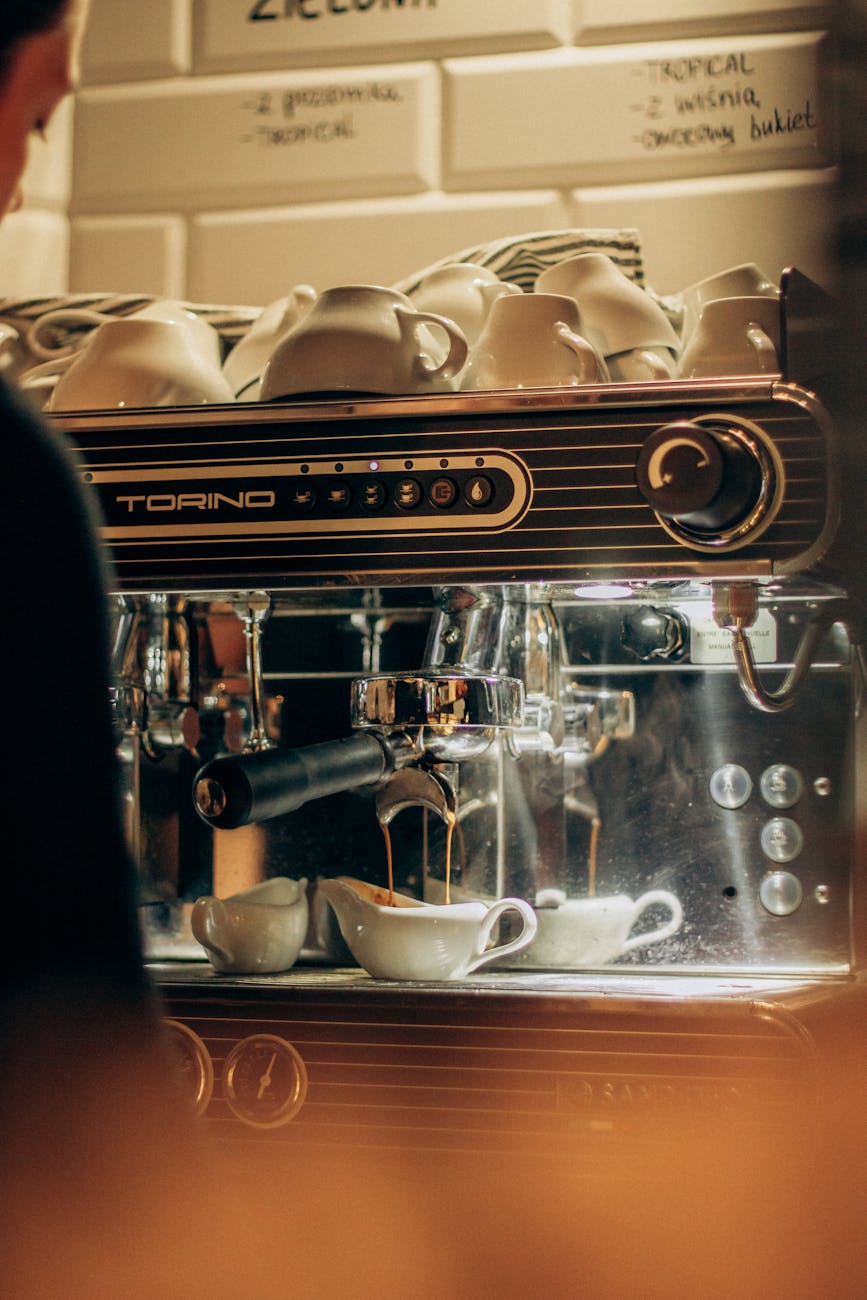
The pursuit of the perfect espresso shot is a journey filled with nuance. We obsess over grind size, water temperature, and pressure profiles, all in the name of that rich, syrupy extraction. Yet, a common frustration often disrupts this meticulous ritual: messy splatter. Coffee droplets coat the machine, the cup, and the counter, turning a moment of zen into a cleanup chore. While many baristas point to puck preparation, a simpler, more physical factor is often overlooked. This article will delve into the critical impact of cup height on portafilter clearance, exploring how this single variable can be the key to taming espresso splatter and achieving a cleaner, more controlled workflow for a consistently better coffee experience.
Understanding portafilter clearance and its role
Before we can control splatter, we must first understand the environment where it occurs. Portafilter clearance is the vertical distance between the bottom of your portafilter and the surface your cup rests on, which is typically the drip tray or a coffee scale. This space is a fundamental, and often fixed, characteristic of your espresso machine’s design. It dictates not only what size cup you can use but also how far the espresso must travel before it reaches its destination.
Why does this matter? The distance the espresso falls is directly proportional to the potential for mess. A longer drop means the liquid stream picks up more velocity. When this faster-moving stream hits the bottom of the cup or the surface of the crema, it has more kinetic energy, resulting in a more significant splash. Think of it like pouring water from a low height versus a great height; the latter will always be messier. For baristas using a bottomless portafilter, this effect is even more pronounced. Any slight channeling in the puck can create high-velocity jets that spray unpredictably, and a greater clearance gives these jets more room to wreak havoc.
The physics of a messy coffee shot
The journey of espresso from the basket to the cup is a delicate dance of physics. As the pressurized water is forced through the coffee puck, it emerges as a viscous, crema-rich liquid. This stream is held together by surface tension, but it is also subject to gravity and velocity. The primary cause of splatter is the energetic collision between this falling stream and a surface.
This process is influenced by a few key factors:
- Initial velocity: The espresso doesn’t just drip out; it’s forced out under pressure. This gives it an initial downward velocity that increases as it falls.
- Fall distance: As established, this is the most critical variable. The further the drop, the greater the final impact velocity and the more dramatic the splatter.
- Stream integrity: A perfect, unified stream will cause less splatter than multiple, disorganized streams. This is where puck preparation becomes an accomplice to cup height. Poor distribution or tamping can lead to channeling, creating chaotic, high-pressure sprays that are exacerbated by a long fall. A spouted portafilter helps merge these streams, but it can’t eliminate the splatter caused by the vertical drop itself.
In short, while a perfect puck prep creates a well-behaved stream, it’s the cup height that determines how much energy that stream has when it finally lands. By reducing the clearance, you are directly reducing the force of impact.
Matching your cup to your machine
Now we connect the theory to practice. The solution to managing splatter lies in consciously selecting a cup that minimizes the fall distance. This means finding the “sweet spot” for your specific setup—a cup tall enough to close the gap but still short enough to fit comfortably, especially if you use a scale.
The first step is to measure. Place your go-to coffee scale on your machine’s drip tray and measure the distance from the top of the scale to the bottom of your portafilter spouts (or the basket if you use a bottomless one). This is your true maximum cup height. Your goal is to find a cup that comes as close to this measurement as possible without touching the portafilter.
Here is a general guide to common cup types and their typical heights, which can help you in your selection:
| Cup type | Typical volume | Approximate height | Best for splatter control? |
|---|---|---|---|
| Demitasse | 60-90 ml (2-3 oz) | 5-6 cm | Poor – Often leaves a large gap. |
| Cortado/Gibraltar Glass | 135 ml (4.5 oz) | 8-9 cm | Good – A great middle ground for many machines. |
| Cappuccino Cup | 150-180 ml (5-6 oz) | 6-7 cm | Variable – Often wide and short, can be poor. |
| Latte Cup/Small Mug | 240-300 ml (8-10 oz) | 9-11 cm | Excellent – Often fills the vertical space perfectly. |
By choosing a taller cup, like a cortado glass or a small latte mug, you can drastically reduce the fall distance. This simple change can transform your workflow from messy to pristine, allowing you to focus on the quality of the shot rather than the cleanup afterward.
Beyond the cup: a holistic approach to a clean shot
While choosing the right cup is a highly effective strategy, it works best as part of a holistic approach to extraction. Cup height can mitigate the effects of a messy shot, but other factors can help prevent the mess from forming in the first place. Think of it as a two-pronged defense: good technique creates a stable stream, and correct cup height manages the energy of that stream’s landing.
Consider integrating these practices into your routine:
- Impeccable puck preparation: This is the foundation. Use a Weiss Distribution Technique (WDT) tool to break up clumps and evenly distribute the grounds. A level and consistent tamp ensures that water flows uniformly through the puck, preventing the channels that cause high-velocity jets.
- Use a puck screen: A metal puck screen placed on top of your tamped coffee can help disperse the water more evenly as it enters the puck, further promoting a uniform extraction and a single, centered stream.
- Leverage your scale: Using a scale is essential for consistency, but it also has a convenient physical benefit. The height of the scale itself raises your cup, effectively reducing the portafilter clearance without you needing to do anything extra. This is a win-win for precision and cleanliness.
By combining these techniques with a carefully selected cup, you create a system where every element works together to produce a clean, beautiful, and delicious shot of espresso.
In conclusion, the battle against espresso splatter is not won solely through complex puck preparation or advanced machine technology. A significant victory can be claimed by addressing the simple physics of the shot. We have seen that portafilter clearance directly dictates the distance your espresso falls, and this distance determines the impact energy that causes messy splashes. By carefully measuring your setup and consciously choosing a cup that minimizes this gap, you can dramatically improve splatter control. This isn’t about sacrificing style for function; it’s about making an informed choice that enhances your entire brewing ritual. A cleaner workspace means less frustration and more time to enjoy the sublime results of your craft, proving that sometimes the most impactful solutions are the simplest ones.


 No products in the cart.