

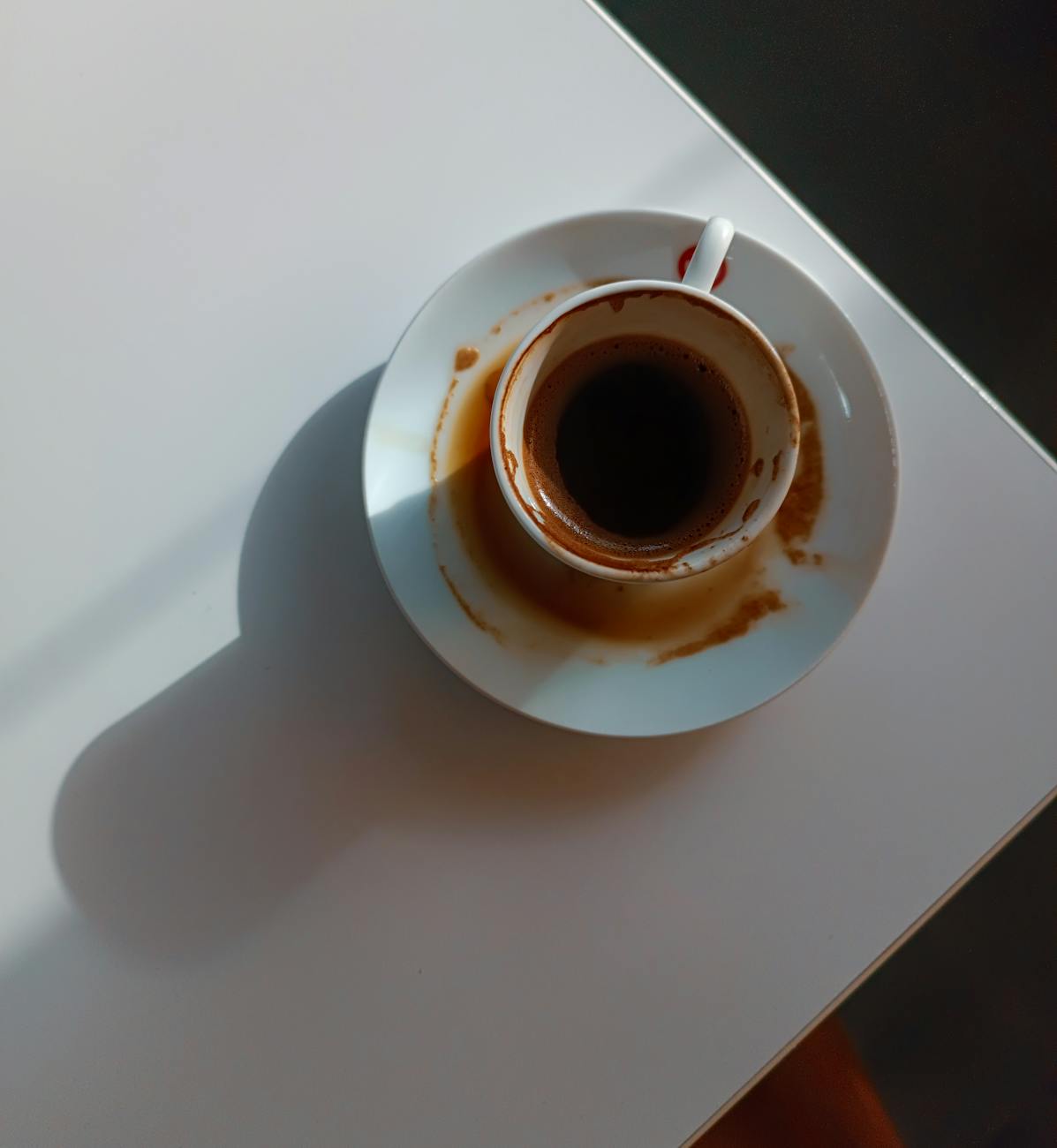
Maintenance tips: How to remove stubborn coffee oils from espresso porcelain
There’s little that compares to the ritual of a perfectly pulled shot of espresso, served in a pristine porcelain cup. The rich crema, the intense aroma—it’s a sensory experience. However, with this daily pleasure comes a common maintenance challenge: the gradual build-up of stubborn, brownish stains inside your favorite cups. These are not just simple coffee remnants; they are polymerized coffee oils that cling to the porcelain surface, affecting not only the cup’s appearance but also the taste of your next brew. This guide will walk you through understanding these stubborn residues and provide you with effective, practical methods to restore your espresso porcelain to its original, brilliant state, ensuring every sip is as pure as the first.
Understanding the enemy: What are coffee oils?
To effectively combat coffee stains, it’s essential to first understand what you’re up against. Coffee beans are rich in natural oils, which are crucial for creating the flavor, aroma, and beloved crema of a great espresso. The high pressure and temperature of an espresso machine are incredibly efficient at extracting these oils into your cup. While they are a delicious part of the brew when fresh, they become problematic once the coffee is finished. As the leftover liquid in the cup cools and is exposed to air, these oils begin a process called polymerization. They oxidize and link together, transforming from a liquid oil into a sticky, resinous film that bonds tightly to the surface of your porcelain cup. This is why a simple rinse with cold water often fails to remove the brown tinge, as you’re no longer dealing with a simple liquid but a hardened, varnish-like layer.
Everyday habits for stain prevention
The most effective cleaning method is always prevention. By incorporating a few simple habits into your coffee routine, you can significantly reduce the build-up of those stubborn coffee oils, making deep cleaning a much less frequent necessity. This proactive approach interrupts the polymerization process before it can truly take hold. The key is to act quickly before the oils have a chance to cool, set, and harden.
- Rinse immediately: The single most important habit is to rinse your cup with hot water as soon as you’ve finished your espresso. Don’t let it sit on your desk or in the sink. Hot water is a far better solvent for fresh, warm oils than cold water.
- A quick wipe: After rinsing, give the inside of the cup a quick wipe with a soft cloth or even a paper towel. This physically removes the microscopic oily film that rinsing alone might leave behind.
- Avoid abrasive pads: While it might be tempting to scrub away a nascent stain, avoid using steel wool or highly abrasive scouring pads on your porcelain. These can create microscopic scratches on the glaze, which, ironically, will give the coffee oils even more texture to cling to in the future.
Deep cleaning methods for set-in stains
Even with the best preventative habits, some staining is inevitable over time. When you notice that familiar brown film has taken residence in your cups, it’s time for a more thorough cleaning. Fortunately, you have several effective options, ranging from simple household pantry items to specialized commercial products. The best method often depends on the severity of the stain and the tools you have on hand.
For mild to moderate stains, a baking soda paste is an excellent first choice. Baking soda is a gentle abrasive that can physically scrub away the polymerized oils without scratching the porcelain. Simply mix a tablespoon of baking soda with a few drops of water to form a thick paste. Apply it to the stained areas and scrub gently with a soft sponge or cloth. The mild alkalinity also helps break down the coffee residue. For tougher stains, a soak in an acidic solution like white vinegar or lemon juice can work wonders. The acid helps to dissolve the stains. Fill the cup with a 50/50 mixture of white vinegar and hot water, let it soak for an hour, then scrub and rinse. For the most stubborn, baked-on stains, a specialized coffee equipment cleaner (like Cafiza) is the ultimate solution. These powders are specifically formulated to destroy coffee oils. Dissolve a small amount in hot water as per the instructions, let the cups soak, and rinse them thoroughly.
Comparing your cleaning options
Choosing the right method can feel daunting, but it’s easy when you break down the pros and cons of each. From gentle, everyday solutions to powerful, deep-cleaning agents, each has its place in your maintenance arsenal. This table provides a quick comparison to help you decide which approach is best for your situation.
| Cleaning Agent | How It Works | Best For | Pros | Cons |
|---|---|---|---|---|
| Baking Soda Paste | Mild abrasive and gentle alkali | Light to moderate daily stains | Inexpensive, non-toxic, readily available | Requires some manual scrubbing |
| Vinegar / Lemon Juice Soak | Acid dissolves mineral and organic buildup | Moderate, stubborn stains | Natural, effective, disinfects | Can leave a slight odor if not rinsed well |
| Specialized Coffee Cleaner | Powerful detergents break down oils chemically | Heavy, old, and set-in stains | Extremely effective, minimal scrubbing | More expensive, is a chemical that requires thorough rinsing |
Conclusion: a clean cup for a perfect coffee
Maintaining the pristine condition of your espresso porcelain is not just about aesthetics; it’s a crucial part of the coffee experience itself. As we’ve seen, the brown stains that plague our cups are polymerized coffee oils, which can impart a rancid, stale flavor to a fresh brew. By adopting simple preventative habits like immediate rinsing with hot water, you can stop most stains before they start. For the inevitable build-up, you have a range of effective tools at your disposal. A gentle baking soda scrub can handle minor issues, while a vinegar soak offers more power. For the toughest jobs, specialized coffee cleaners provide an unmatched solution. By regularly cleaning your cups, you ensure that every espresso you drink tastes exactly as the roaster intended: pure, flavorful, and uncompromised.

 No products in the cart.