

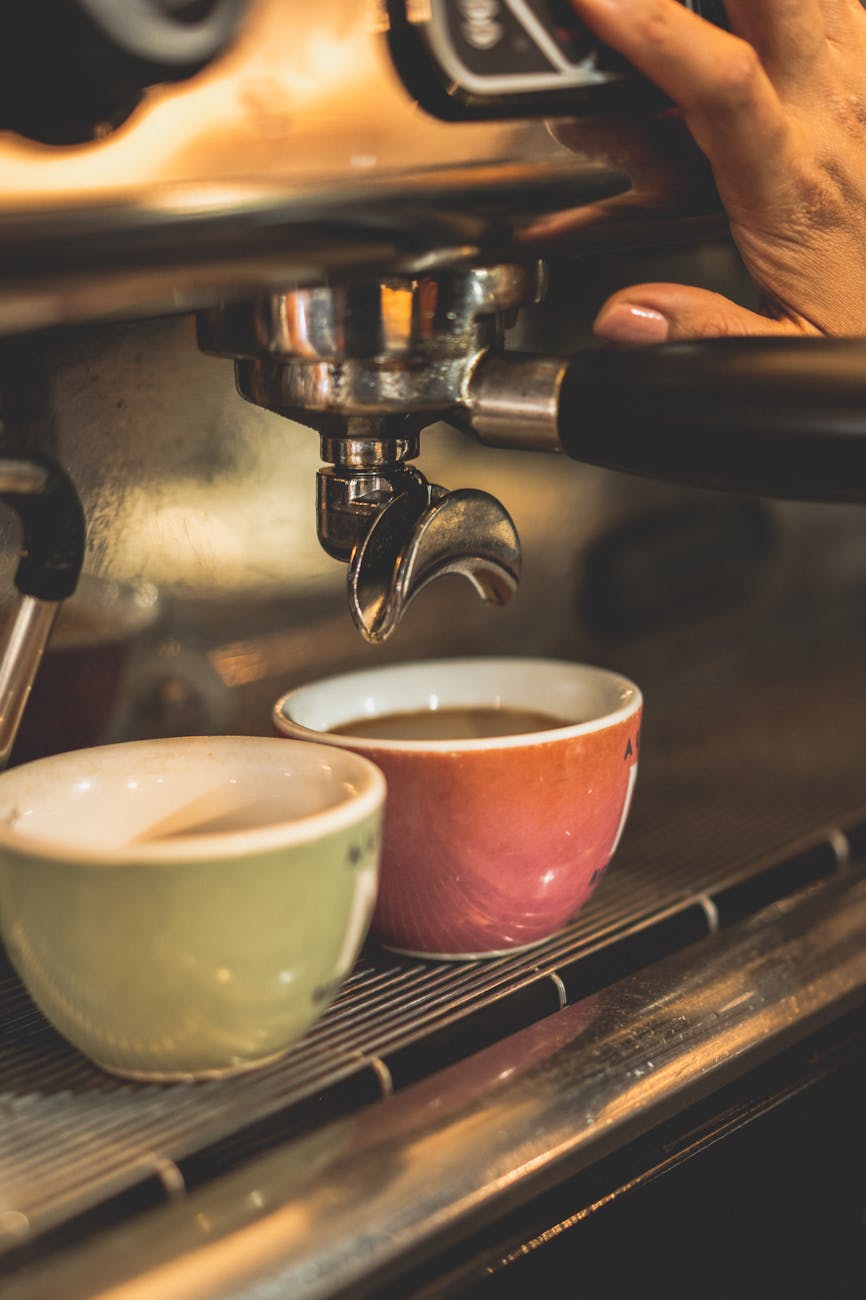
The color of taste: How your espresso cup changes everything
Imagine your morning ritual: the rich aroma of freshly ground coffee, the satisfying sound of the espresso machine, and that first, intense sip. For many, this is a sacred moment. But what if I told you that a significant part of that flavor experience is dictated not just by the beans or the brew method, but by the color of the cup you’re drinking from? It sounds incredible, but science shows that our eyes play a powerful role in what we taste. This article will delve into the fascinating psychology of color and explore how the simple choice of your espresso cup can dramatically alter your perception of its bitterness, sweetness, and overall intensity, turning your daily coffee into a new sensory experiment.
The science behind tasting with your eyes
Before we can understand why a white cup makes coffee seem more bitter, we need to grasp a fundamental concept: taste is not a one-man show. While your tongue does the heavy lifting of identifying sweet, sour, salty, bitter, and umami, your brain is the master director, assembling information from all your senses to create the final perception of flavor. This is a multi-sensory experience. Think about how the smell of coffee enhances its taste, or how the crunch of a potato chip makes it seem fresher. Your brain is constantly making connections and taking shortcuts based on past experiences.
This phenomenon is known in sensory science as cross-modal correspondence. It’s the brain’s tendency to associate information from different senses. For example, we often link high-pitched sounds with small, sharp objects, or the color red with sweet flavors like strawberries and cherries. When it comes to coffee, your brain has already formed expectations before the liquid even touches your lips. The color of the cup is one of the first visual cues it receives, setting the stage for what it expects to taste.
White vs. colored cups: The key study
The idea that cup color influences taste isn’t just a fun theory; it’s backed by research. A landmark 2014 study published in the journal Flavour provided concrete evidence. Researchers gave participants the exact same coffee but served it in three different colored mugs: a standard white ceramic mug, a blue mug, and a clear glass mug. The participants were then asked to rate the coffee’s qualities, including its bitterness and sweetness.
The results were striking. The coffee served in the white mug was consistently rated as significantly more bitter and more intense than the coffee served in the other two mugs. The participants perceived the coffee in the blue and clear mugs as sweeter. So, what’s happening here? The leading theory points to color contrast. The deep, rich brown of the espresso stands out dramatically against the stark white background. This high contrast signals “strength” or “intensity” to our brain, which we then interpret as a more bitter flavor profile. The white cup doesn’t change the coffee’s chemical makeup, but it changes our perception of it.
How different colors can shape your espresso
While the white cup study is the most famous, the influence of color extends to the entire spectrum. Different hues can subtly nudge our perception in various directions by triggering different psychological associations. A cafe or a home barista can use this knowledge to highlight or soften certain flavor notes in their coffee. Understanding these associations allows you to curate your coffee experience in a surprisingly nuanced way.
Here’s a breakdown of how different colors might impact your perception of espresso:
| Cup color | Psychological association | Potential effect on espresso perception |
|---|---|---|
| White | High contrast, purity, intensity | Increases perceived bitterness and flavor intensity. |
| Blue | Calmness, sometimes associated with sweetness | May enhance perceived sweetness and reduce bitterness. |
| Clear / Glass | Transparency, honesty, focus on the liquid | Often seen as a neutral baseline, enhancing perceptions of richness and aroma. |
| Pink / Yellow | Sweetness (candy, fruit), brightness | Can increase the perception of sweetness and downplay bitter notes. |
| Brown / Black | Earthiness, richness, strength | Complements the coffee’s color, potentially enhancing richness while muting bitterness. |
Putting it into practice at home and in the cafe
This knowledge isn’t just academic; it has practical applications for both casual coffee drinkers and industry professionals. By being mindful of your serveware, you can actively shape the tasting experience.
- For the home enthusiast: Run your own experiment. Brew a single shot of espresso and split it between two differently colored cups—perhaps a white one and a darker one. Taste them side-by-side and see if you notice a difference. You might find that a coffee you previously found too bitter is more balanced in a blue or brown cup. It’s a simple way to rediscover the coffees you already own and appreciate the subtle complexities of flavor perception.
- For cafe owners and baristas: Cup selection can be a powerful tool for customer experience. If you are serving a single-origin coffee with bright, fruity notes, a yellow or pink cup might subconsciously prime the customer to look for those sweet characteristics. Conversely, if you want to emphasize the bold, intense, and bitter notes of a robust dark roast, serving it in a classic white cup will do the trick. This level of detail shows a deep understanding of coffee and elevates the service from simply serving a drink to curating an experience.
In conclusion, the cup you drink from is far more than a simple container. It is an active participant in the creation of flavor. The science of cross-modal perception shows us that our brains are wired to make connections between what we see and what we taste. As we’ve explored, the color of your cup can have a real, measurable effect on your perception of espresso, with white cups heightening bitterness due to high visual contrast, and other colors like blue or pink potentially enhancing sweetness. This fascinating intersection of psychology and sensory science reminds us that enjoying coffee is a holistic experience. So, the next time you reach for a cup, pause and consider your choice. You’re not just picking a vessel; you’re setting the stage for the flavor to come.



 No products in the cart.