

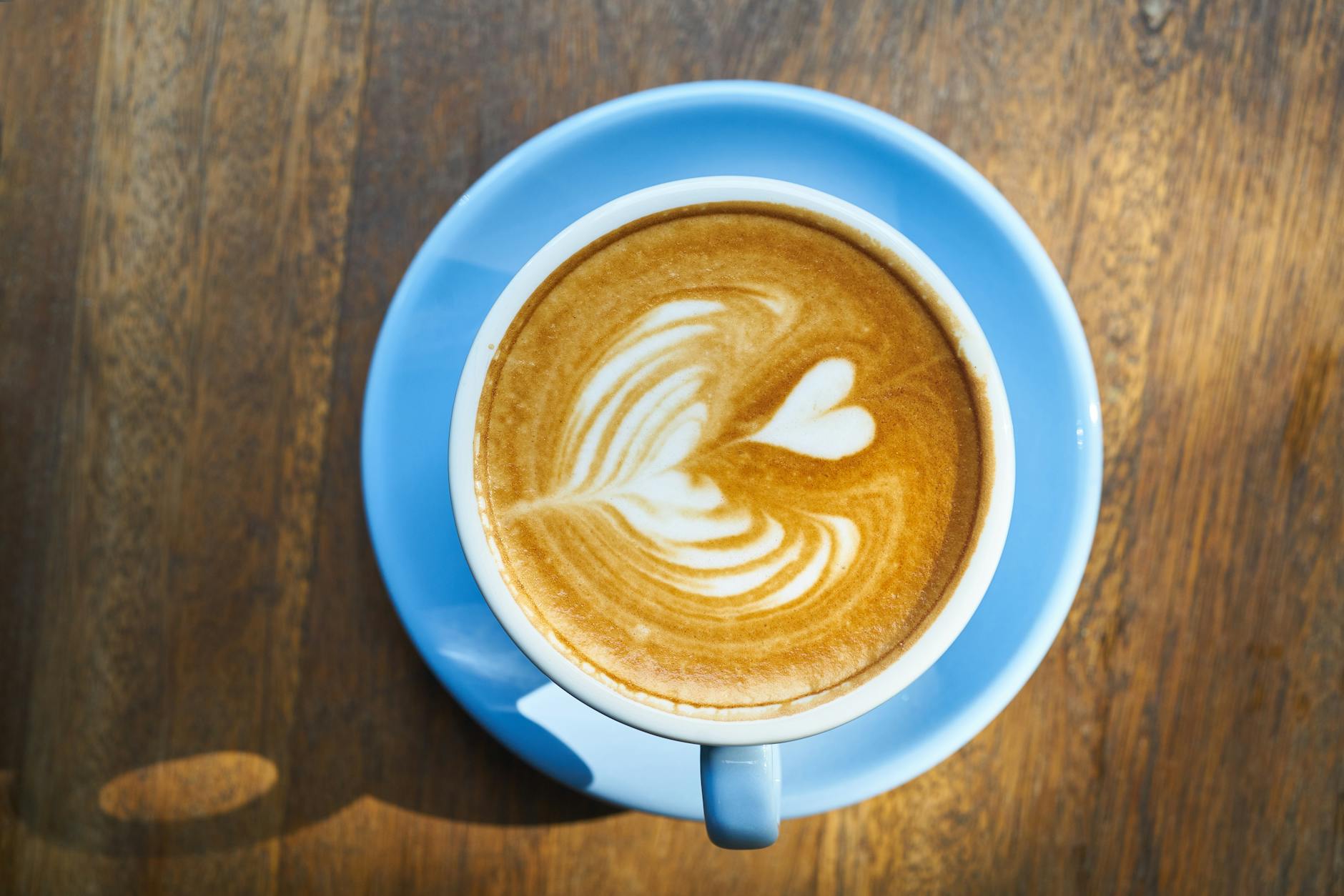
Why your cup choice matters: Common mistakes when dialing in new beans
The arrival of a new bag of coffee beans is a moment of pure excitement for any coffee lover. The promise of new aromas, flavors, and a unique tasting experience is a powerful draw. However, the process of “dialing in” those beans to perfection can sometimes be a frustrating journey of trial and error. We meticulously adjust our grind size, water temperature, and brew ratio, but often overlook a crucial, final variable: the cup we drink from. This vessel is far more than a simple container; it’s an active participant in the tasting experience. This article will explore the common, yet easily avoidable, mistakes made when selecting cups for coffee tasting and reveal how the right choice can unlock a bean’s true potential.
Ignoring the impact of cup material
One of the most fundamental mistakes is underestimating how a cup’s material affects the coffee inside it. Each material interacts with the coffee differently, primarily through heat retention and flavor neutrality. When you’re trying to perceive subtle notes to adjust your brew, the material matters immensely.
- Ceramic: This is the industry standard for a reason. Good quality ceramic is non-porous and flavor-neutral. Its key feature is heat retention. A thick-walled ceramic mug will keep your coffee hot, slowing the flavor development and allowing you to taste it over a longer period. A thin-walled porcelain cup, however, will cool faster, which can help reveal a coffee’s changing flavor profile as the temperature drops.
- Glass: While visually appealing, glass typically has lower heat retention than ceramic. Your coffee will cool more quickly, which can be an advantage if you want to rapidly assess the full spectrum of flavors from hot to cool. However, for dialing in, this rapid temperature drop can be a distracting variable.
- Stainless Steel: Often found in travel mugs, stainless steel is excellent at retaining heat. The major drawback is its potential to impart a metallic taste, which can easily mask the delicate acidic or fruity notes you’re searching for in a new bean. For critical tasting, it’s best avoided.
Choosing a cup that taints the flavor or drastically alters the temperature curve means you’re not tasting the coffee; you’re tasting the coffee in that cup. This can lead you to make incorrect adjustments to your brew recipe.
| Material | Heat Retention | Flavor Neutrality | Best For |
|---|---|---|---|
| Thick Ceramic | Excellent | Excellent | Maintaining stable temperature for slow sipping. |
| Glass | Low to Moderate | Excellent | Visual appreciation and tasting flavor changes as it cools. |
| Stainless Steel | Excellent | Poor to Moderate | Travel and heat retention, not for critical tasting. |
| Paper | Poor | Poor | Convenience only; imparts a distinct papery taste. |
The overlooked importance of shape and size
Once you’ve settled on a material, the next common error is grabbing any old mug without considering its shape. The geometry of your cup directly influences the delivery of aroma and the perception of flavor. The aroma is a huge component of taste, and the wrong shape can rob you of crucial sensory information.
A wide-mouthed, diner-style mug allows the volatile aromatic compounds to escape rapidly. This can flatten the sensory experience, making it difficult to detect the nuanced floral or fruity notes of a delicate single-origin coffee. Conversely, a cup with a narrower opening that curves inwards, often called a “tulip” shape, concentrates these aromas and directs them towards your nose as you sip. This greatly enhances the aromatic profile, giving you more data with which to evaluate your brew. The size is equally important. Pouring a 30g espresso shot into a 300ml mug creates a massive surface area, causing it to lose temperature and aroma almost instantly. Your cup should be appropriately sized for the volume of coffee you are tasting.
The pitfall of inconsistency
This is arguably the most critical mistake when dialing in. The entire goal of the process is to isolate variables. You change one thing—like the grind size—and observe the effect it has on the taste. If you taste your first attempt in a small, thin glass and your second attempt in a large, thick ceramic mug, you have introduced a second, uncontrolled variable. Was the change in taste due to your grind adjustment or the completely different drinking vessel?
It’s impossible to know for sure. The difference in heat retention and cup shape between the two tastings will profoundly alter your perception. To dial in effectively, you must eliminate this variable. The solution is simple: establish a control cup. Choose a single, dedicated cup for all your tasting and dialing-in sessions. By using the exact same cup every time, you ensure that the only changes you are perceiving are the results of your adjustments to the coffee itself. Consistency is the key to accuracy.
Forgetting the influence of color and feel
While material, shape, and consistency are the primary technical considerations, we shouldn’t dismiss the psychology of perception. The look and feel of a cup can subtly influence your judgment. Studies in sensory science have shown that the color of the vessel can impact perceived taste. For instance, coffee served in a white mug is often perceived as being more intense or slightly more bitter than the exact same coffee served in a clear or darker-colored mug.
While you might not be making drastic brew changes based on this, it’s a factor to be aware of. If you’re constantly second-guessing bitterness levels, consider the color of your cup’s interior. The weight and texture—the “hand-feel”—also contribute to the overall experience and set expectations. A heavy, rustic stoneware mug creates a different expectation than a fine, lightweight porcelain cup. For the most objective tasting possible, being aware of these subtle psychological influences helps you separate the true taste of the coffee from the perception created by its vessel.
Conclusion
Dialing in a new coffee bean should be a rewarding process of discovery, not a frustrating guessing game. By avoiding these common mistakes, you can make the experience far more efficient and enjoyable. Remember that your cup is not a passive container; it’s an active tool that shapes the final result. Pay close attention to the material for its effects on heat and flavor neutrality. Consider the shape and size to optimize aroma delivery. Above all, practice consistency by using a dedicated control cup to ensure your adjustments are the only variable at play. Even acknowledging the subtle psychological impact of color and feel can refine your palate. By treating your cup selection with the same care as your grinder settings, you will be better equipped to unlock the true and complete flavor profile hidden within every bean.

 No products in the cart.