

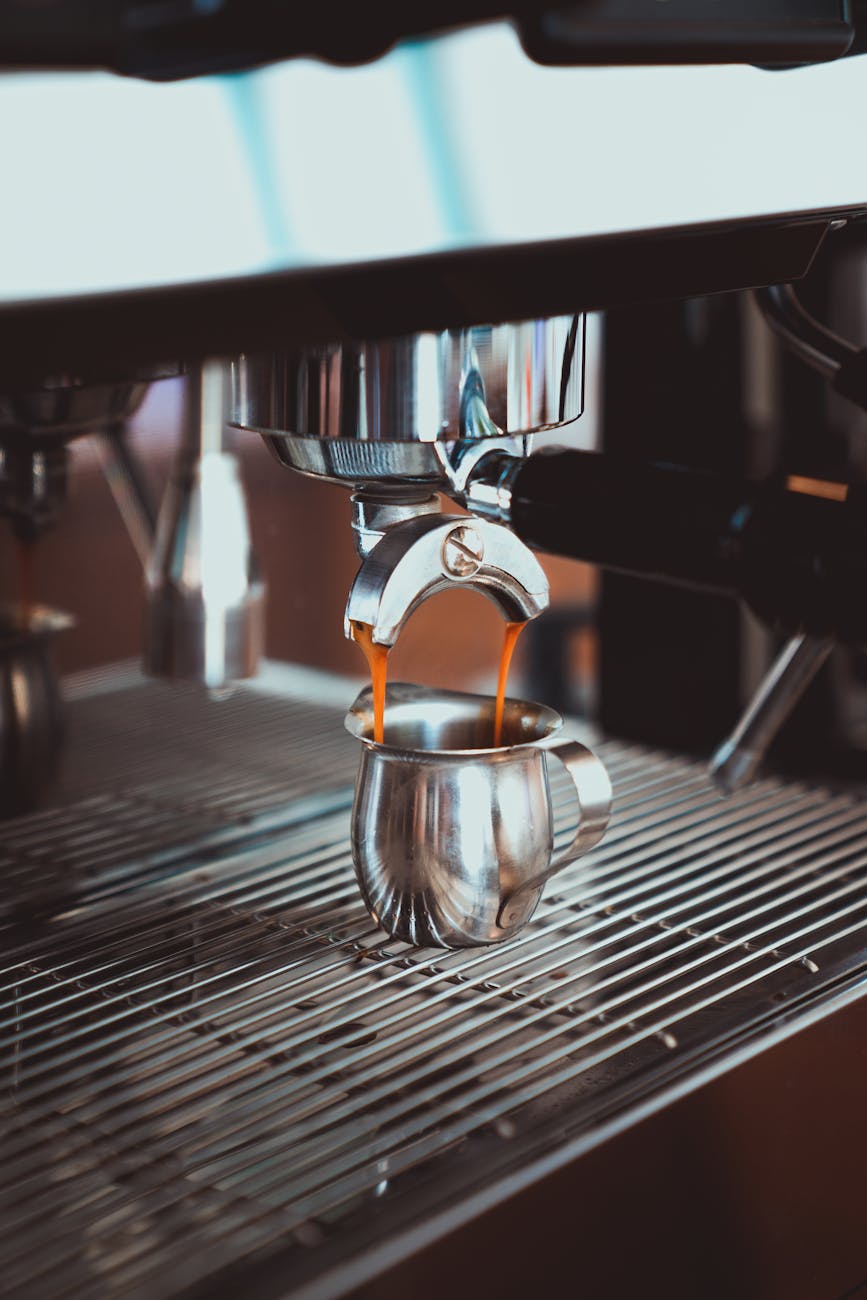
The secret to perfect espresso layers: How your cup’s shape makes a difference
Every coffee enthusiast chases the perfect espresso shot: a rich, syrupy liquid crowned with a persistent, hazelnut-colored crema. We obsess over the beans, the grind size, and the extraction time, but often overlook the final vessel. The humble espresso cup is more than just a container; its internal geometry is a crucial, final tool in crafting the perfect drink. The subtle interior curve of a cup plays a significant role in how the espresso’s distinct layers—the crema, body, and heart—form and stabilize. It’s a matter of fluid dynamics, where a gentle slope can preserve the delicate structure extracted by the machine, while a sharp angle can destroy it in an instant. This article explores the science behind the pour and why the right cup is essential.
The anatomy of an espresso shot: More than just coffee
Before we can understand how a cup influences espresso, we must first appreciate the complex structure of the liquid itself. A well-pulled shot is not a uniform beverage; it’s a sophisticated suspension composed of three distinct layers, each contributing to the overall sensory experience.
- The Crema: This is the top, reddish-brown layer, often considered the hallmark of a great espresso. It’s an emulsion of microscopic coffee oils, water, and gases (primarily carbon dioxide released from the beans during extraction). The crema is intensely aromatic and holds much of the shot’s initial flavor notes. It is also incredibly delicate and can dissipate quickly if agitated.
- The Body: Below the crema lies the body, the middle and largest layer. This is the liquid heart of the espresso, a rich caramel-brown liquid that carries the bulk of the flavor profile, including the sweetness, acidity, and complex tasting notes of the coffee bean.
- The Heart: At the very bottom rests the heart. This layer is darker and denser, containing the heavier, more bitter compounds. It provides the deep, resonant base notes and contributes to the long-lasting aftertaste that defines a memorable shot.
The successful separation and presentation of these three layers are what create the visual appeal and complex flavor journey of an espresso. The goal of the cup is to receive this layered liquid without disrupting its fragile structure.
The physics of the pour: How a curve guides the flow
The moment the espresso leaves the portafilter and hits the cup is a critical one. This is where fluid dynamics come into play, and the interior shape of the cup dictates the outcome. The ideal espresso cup features a continuous, egg-shaped, or parabolic interior curve. There are no sharp angles, just a smooth, bowl-like bottom.
When the espresso stream hits this curved surface, it doesn’t splash. Instead, the liquid’s velocity is gently dissipated as it flows down the side of the cup, pooling softly at the base. This gentle action minimizes turbulence. By preventing a violent collision, the distinct densities of the heart, body, and crema are preserved. The heavier elements settle naturally at the bottom, while the lighter, gas-infused crema is allowed to rise and form a stable layer on top, undisturbed.
Contrast this with a standard mug or a cup with a flat bottom and a sharp 90-degree angle between the base and the wall. When the espresso stream hits the flat bottom, it crashes and splashes, creating significant agitation. This turbulence acts like a whisk, forcibly mixing the layers together. The delicate crema is broken apart, its fine bubbles are disrupted, and the distinct flavor notes of the heart and body become muddled. The result is a more homogenous, less visually appealing, and often less nuanced drink.
Preserving the crema: The cup’s role in stability
The crema is the most visually striking and fragile part of an espresso shot, and the cup’s design is paramount to its preservation. The gentle pour facilitated by a curved bottom, as discussed, is the first step. Less agitation means the microscopic bubbles that form the crema’s structure are not prematurely popped, leading to a thicker, more stable, and longer-lasting foam.
Furthermore, the shape of the cup influences surface tension and temperature. A cup that curves inward slightly towards the top helps to concentrate the aromas and provides a smaller surface area, which slows the dissipation of the crema. This “tulip” shape helps hold the crema together, preventing it from spreading out too thinly and breaking apart.
Temperature stability is another key factor. High-quality espresso cups are typically made of thick porcelain, which is pre-heated before use. The thick, curved base of these cups retains heat more effectively than a thin, flat bottom. A stable temperature is crucial for the emulsified oils within the crema. If the espresso cools too quickly, these oils can destabilize and break down, causing the crema to vanish and altering the taste of the shot.
Choosing the right cup: A practical guide
Understanding the science is one thing, but applying it is what truly elevates your coffee experience. When selecting an espresso cup, you’re choosing a functional tool, not just a piece of tableware. The ideal cup marries form and function to present the espresso in its best possible state.
Look for a cup with a thick base and walls, preferably made of porcelain for its excellent heat retention. The interior should have a continuous, rounded bottom with no sharp angles. This ensures the espresso flows gently into the cup, preserving its layers. A capacity of 2-3 ounces (60-90 ml) is standard, giving the espresso enough room without being cavernous, which would cause it to cool too quickly.
To visualize the impact, consider the differences between common cup shapes.
| Cup shape | Interior angle | Flow dynamics | Impact on layering | Crema quality |
|---|---|---|---|---|
| Ideal espresso cup (Egg/Tulip) | Continuous curve, no angle | Gentle and smooth | Excellent preservation | Thick, stable, and long-lasting |
| Standard mug (Flat bottom) | Sharp 90-degree angle | Turbulent and splashing | Layers are mixed and muddled | Thin, quick to dissipate |
| V-shaped cup | Sharp, acute angle | Concentrates flow to a single point | Some disruption at the base | Moderate, can be unstable |
Ultimately, the best way to understand the difference is to experiment. Try pulling a shot into a proper espresso cup and another into a small, flat-bottomed mug. The visual difference in the crema and the subtle taste difference from the preserved layers will be immediately apparent.
Conclusion
The journey of an espresso from bean to drink is a process of precision and care. While we rightly focus on the quality of the coffee and the mechanics of the machine, the final destination—the cup—is a critical component that can either honor or undo all that careful preparation. The interior curve of a cup is not a mere aesthetic detail; it is a functional design element rooted in the principles of fluid dynamics. By guiding the espresso gently, minimizing turbulence, and preserving its delicate, layered structure, the right cup ensures that the shot is experienced as intended. It protects the fragile crema, maintains the integrity of the body and heart, and ultimately delivers a more aromatic, flavorful, and visually stunning coffee experience.

 No products in the cart.