

The unsung hero: How your cup material affects espresso temperature and taste
The journey to the perfect espresso is one of precision. From the grind size and tamping pressure to the extraction time, every variable is meticulously controlled. Yet, there’s one critical element that is often overlooked once the rich, aromatic liquid leaves the portafilter: the cup itself. That small vessel is more than just a container; it’s an active participant in the final moments of your coffee’s life. The material it’s made from directly influences the final temperature of your espresso, a factor that can dramatically alter its flavor profile and overall sensory experience. In this article, we’ll delve into the science of heat transfer and explore how different cup materials—from traditional porcelain to modern stainless steel—can either preserve or sabotage that perfect shot.
The science of heat loss in your cup
Before we compare materials, it’s essential to understand the basic physics at play. When your hot espresso (typically brewed around 90-95°C or 194-203°F) hits the cup, a battle against heat loss begins. Two key principles govern this process: thermal conductivity and heat capacity.
- Thermal conductivity refers to how quickly a material can transfer heat. Materials with high conductivity, like metals, will feel hot to the touch almost instantly because they draw heat away from the liquid very fast. Materials with low conductivity, like air, are excellent insulators.
- Heat capacity is the amount of thermal energy a material can absorb before its own temperature rises. A thick, heavy ceramic cup has a high heat capacity, meaning it can soak up a lot of heat from your espresso. If the cup is cold, this effect can be devastating to your shot’s temperature.
Essentially, your cup acts as a heat sink. A cold, dense cup will aggressively pull warmth from the espresso, causing a rapid temperature drop. This isn’t just about enjoying a hot drink; it affects taste. As espresso cools, its delicate aromatic compounds dissipate, and perceived bitterness and acidity can become more pronounced and unbalanced.
A breakdown of common cup materials
Each material offers a different balance of insulation, heat retention, and aesthetics. Understanding these differences is key to choosing the right tool for the job.
Porcelain and ceramic
The traditional choice for a reason. Thick-walled porcelain is the classic material for espresso cups. It has a relatively high heat capacity, meaning that when properly preheated, it becomes a fantastic insulator, holding the espresso at a stable temperature for longer. Its low-to-moderate conductivity prevents the heat from escaping too quickly. The thickness is crucial; a thin ceramic mug will lose heat much faster than a cup designed specifically for espresso. This is why you’ll almost never see a barista in a specialty coffee shop serving an espresso in a cold, thin cup.
Glass
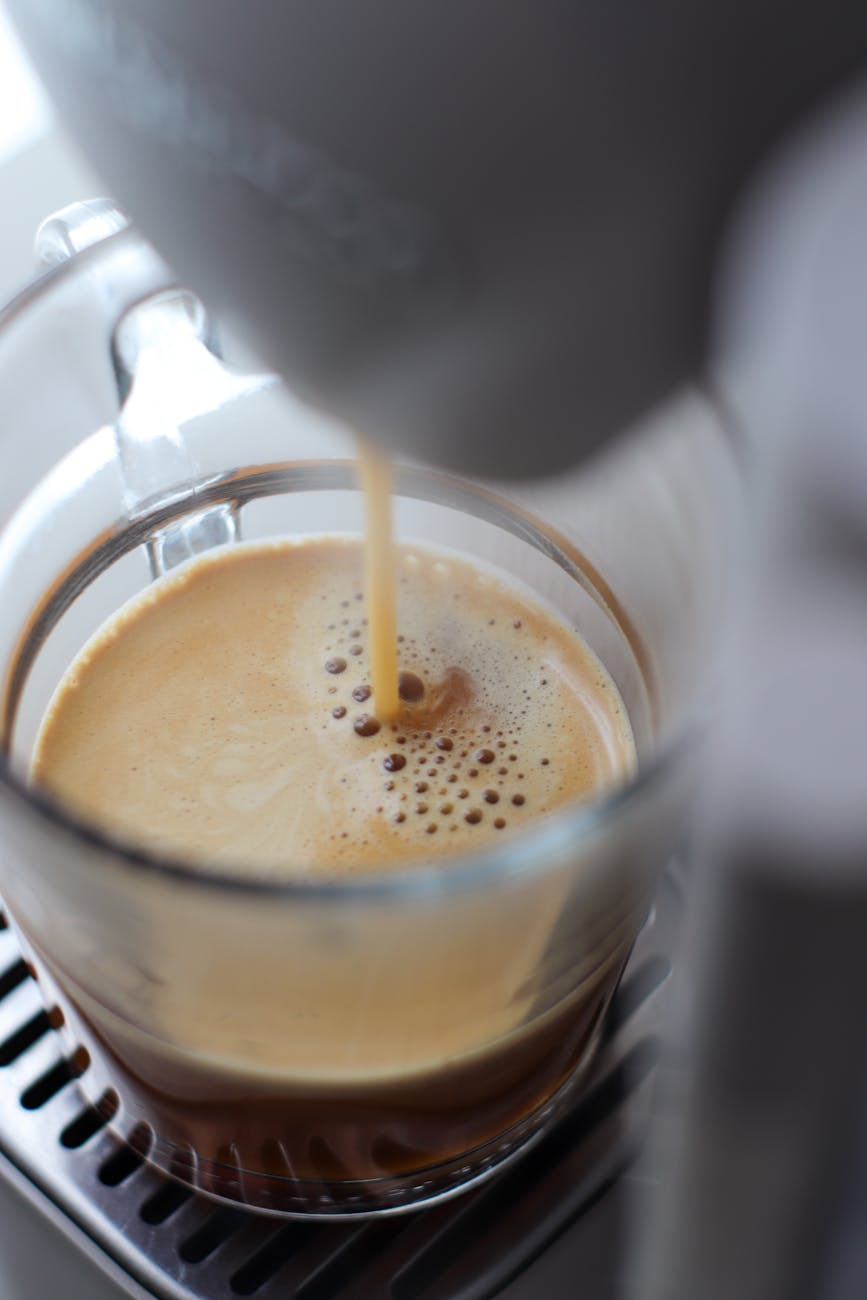
Single-walled glass cups are visually appealing, allowing you to admire the rich crema and color of your shot. However, standard glass has a higher thermal conductivity and lower heat capacity than thick ceramic, meaning it will cool your espresso down very quickly. For enjoying the visual aspect without sacrificing temperature, the solution is double-walled glass. These cups trap a layer of air between two walls of glass. Since air is a very poor conductor of heat, it acts as a highly effective insulator, keeping the espresso hot while the outside of the cup remains cool to the touch.
Stainless steel
Stainless steel is durable and virtually unbreakable, making it a popular choice for travel mugs. However, it has very high thermal conductivity. A single-walled steel cup will suck the heat out of your espresso almost instantly. Like glass, the solution is a double-walled, vacuum-insulated design. These cups are excellent at maintaining temperature for extended periods, though some purists argue that the metallic material can impart a slight taste to the coffee.
The crucial role of preheating
We’ve mentioned preheating, but its importance cannot be overstated, especially for materials with high heat capacity like ceramic and porcelain. Pouring a 30ml shot of hot espresso into a cold, thick-walled cup can instantly drop its temperature by 10°C (18°F) or more. This thermal shock is enough to mute sweet, delicate flavors and accentuate sourness.
Preheating is simple and effective. The easiest method is to fill the cup with hot water from your espresso machine’s dispenser or a kettle and let it sit for at least 30 seconds while you prepare your shot. Once you discard the water, the cup’s interior will be close to the espresso’s temperature, minimizing heat loss. This single step makes a world of difference and is standard practice in any quality café. While less critical for well-insulated double-walled cups, it’s a habit that will always improve your final result.
Comparing materials: A temperature test
To illustrate the differences, let’s look at some plausible data. Imagine we pull an espresso shot at an initial temperature of 88°C (190°F) and pour it into different cups at room temperature (21°C / 70°F).
| Cup Material | Preheated? | Temperature after 1 Min | Temperature after 3 Mins | Key Takeaway |
|---|---|---|---|---|
| Thick Ceramic | No | 65°C (149°F) | 54°C (129°F) | Significant and rapid heat loss. The cup’s mass pulls heat out quickly. |
| Thick Ceramic | Yes | 78°C (172°F) | 70°C (158°F) | Excellent heat retention. The ideal scenario for savoring the shot. |
| Single-Walled Glass | No | 68°C (154°F) | 58°C (136°F) | Loses heat quickly due to lower mass but still noticeable. |
| Double-Walled Glass | No | 80°C (176°F) | 74°C (165°F) | Superior insulation. Keeps espresso hot without preheating. |
| Single-Walled Steel | No | 62°C (144°F) | 52°C (126°F) | Worst performer. High conductivity strips heat away almost instantly. |
Conclusion: Your cup is part of your brew
The material of your espresso cup is far from a trivial detail; it is a functional tool that directly impacts the final quality of your drink. As we’ve seen, materials like thick ceramic and double-walled glass are superior choices for preserving the delicate temperature that your espresso machine worked so hard to achieve. A cold, thin, or highly conductive cup can undo that work in seconds, leaving you with a lukewarm and less flavorful shot. By understanding the principles of thermal dynamics and embracing the simple yet transformative habit of preheating, you can take control of this final variable. Ultimately, choosing the right cup ensures that you can savor your espresso as it was intended: hot, aromatic, and full of complex flavor.

 No products in the cart.