

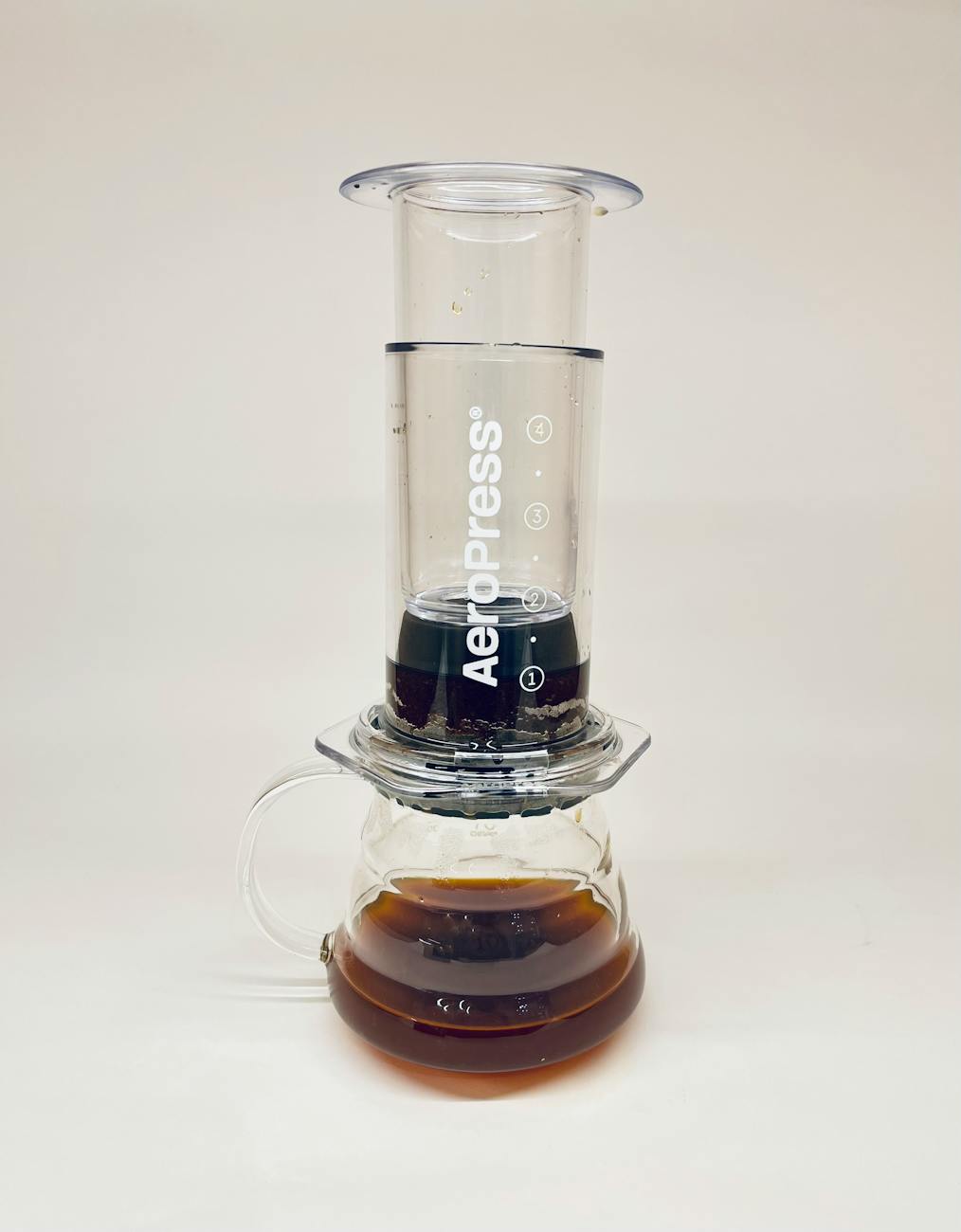
How to adjust Aeropress brewing for different roast levels
The Aeropress is celebrated by coffee lovers worldwide for its versatility, simplicity, and ability to produce a stellar cup of coffee. Its forgiving nature makes it great for beginners, while its flexibility offers endless room for experimentation for seasoned brewers. A key factor that dramatically influences the final taste in your cup is the roast level of your coffee beans. A light, floral Ethiopian coffee requires a different approach than a dark, smoky Sumatran bean. This article will guide you through the process of adjusting your Aeropress technique based on the roast level. We will explore how light, medium, and dark roasts behave differently during brewing and provide you with the knowledge to control extraction and unlock the best flavor from any bag of beans.
Understanding roast levels and their impact
Before we can adjust our brewing, we must understand what we are working with. The roasting process transforms a green, dense coffee bean into the aromatic, brittle bean we grind. This transformation is not just about color; it fundamentally changes the bean’s physical and chemical structure, which directly impacts how it brews.
Light roasts are roasted for a shorter time, preserving many of the coffee’s original characteristics. These beans are physically denser and less porous. This means they are less soluble, and it takes more effort to extract their delicate, often acidic, floral, and fruity flavors. When brewed improperly, they can taste sour or underdeveloped.
Medium roasts represent a balance. They have been roasted long enough to develop caramelization and body while retaining some of the bean’s original brightness. They are less dense and more soluble than light roasts, making them generally more forgiving to brew. You can expect balanced notes of nuts, chocolate, and stone fruit.
Dark roasts are roasted the longest, reaching high temperatures that bring oils to the surface. These beans are porous, brittle, and highly soluble. The roasting process itself becomes the dominant flavor, resulting in bold, smoky, and chocolatey notes with low acidity. Because they are so soluble, they can easily be over-extracted, leading to a bitter, ashy taste.
The core Aeropress variables you can control
The beauty of the Aeropress lies in the brewer’s ability to manipulate a few key variables to control extraction. Extraction is simply the process of dissolving coffee solids into water. For light roasts, we want to increase extraction to pull out those complex flavors. For dark roasts, we want to decrease or slow down extraction to avoid bitterness. Here are your main tools:
- Water temperature: Hotter water extracts flavors more quickly and efficiently. Cooler water slows extraction down. This is perhaps the most powerful tool for adjusting for roast level.
- Grind size: The finer you grind, the more surface area is exposed to water, leading to faster extraction. A coarser grind has less surface area and slows extraction.
- Brew time: This is the total time the coffee grounds are in contact with water. A longer steep time means more extraction, while a shorter time means less.
- Agitation: Stirring or swirling the slurry of coffee and water increases extraction by ensuring all grounds are evenly saturated and helping to wash flavor compounds off the coffee particles.
By understanding how to use these four variables in concert, you can create a recipe that perfectly complements the unique characteristics of any coffee roast.
Tailoring your recipe for each roast
Now, let’s connect the bean characteristics with our brewing variables to create a strategy for each roast level. The goal is always a balanced cup that is sweet, clear, and flavorful, avoiding the pitfalls of sour under-extraction or bitter over-extraction.
Brewing light roasts
Because light roast beans are dense and less soluble, we need to give them a helping hand. Our strategy is to maximize extraction without introducing unwanted flavors.
- Temperature: Use hotter water, typically between 92-96°C (198-205°F). This high temperature will increase the extraction rate.
- Grind size: Go for a fine to medium-fine grind, similar to table salt. The increased surface area allows the hot water to extract flavors more efficiently.
- Brew time: Allow for a longer steep time, anywhere from 2 to 3 minutes. This extended contact time is necessary to pull out the complex sugars and acids.
- Method: The inverted method is often favored here. It allows for a full immersion steep without any coffee dripping through the filter prematurely, giving you complete control over the brew time.
Brewing dark roasts
With dark roasts, our goal is the opposite. These beans are highly soluble and will give up their flavors easily. We need to slow things down to avoid pulling out the bitter, harsh compounds.
- Temperature: Use much cooler water, around 80-85°C (176-185°F). This is the most effective way to prevent over-extraction and tame bitterness.
- Grind size: Opt for a medium to medium-coarse grind, like coarse sea salt. This reduces the surface area and slows down the brewing process.
- Brew time: Keep it short. A total brew time of 60 to 90 seconds is often plenty to get a rich, full-bodied cup without the ashiness.
- Method: The standard method works great, as you can start plunging right after adding water, keeping the total contact time to a minimum.
Starting points and the art of tasting
Theory is great, but coffee is a practical art. The guidelines above are excellent starting points, but the final adjustments should always be guided by your own palate. The table below offers a simple summary to get you started on your next brew.
| Roast level | Water temperature | Grind size | Steep time | Suggested method |
|---|---|---|---|---|
| Light | 92-96°C / 198-205°F | Fine | 2 – 3 minutes | Inverted |
| Medium | 88-92°C / 190-198°F | Medium-fine | 1.5 – 2 minutes | Standard or Inverted |
| Dark | 80-85°C / 176-185°F | Medium-coarse | 1 – 1.5 minutes | Standard |
Remember to taste your coffee and think about what it’s telling you. Is your light roast tasting sour? You are under-extracting. Try grinding finer or steeping a little longer. Is your dark roast tasting unpleasantly bitter? You are over-extracting. Try grinding coarser or using cooler water. Each coffee is unique, so don’t be afraid to tweak one variable at a time until you brew a cup that you truly love.
Mastering your Aeropress across different roast levels transforms it from a simple coffee maker into a precision instrument for flavor exploration. The journey begins with understanding that coffee beans are not all the same; their roast level dictates their density and solubility. By taking control of the core brewing variables of water temperature, grind size, and brew time, you can tailor your recipe to the specific needs of each bean. For dense light roasts, you need more energy through hotter water and longer times. For porous dark roasts, you need to be gentle with cooler water and shorter times. These principles provide a solid foundation, but the true magic happens when you start tasting, adjusting, and discovering the incredible spectrum of flavors your coffee has to offer.


 No products in the cart.