

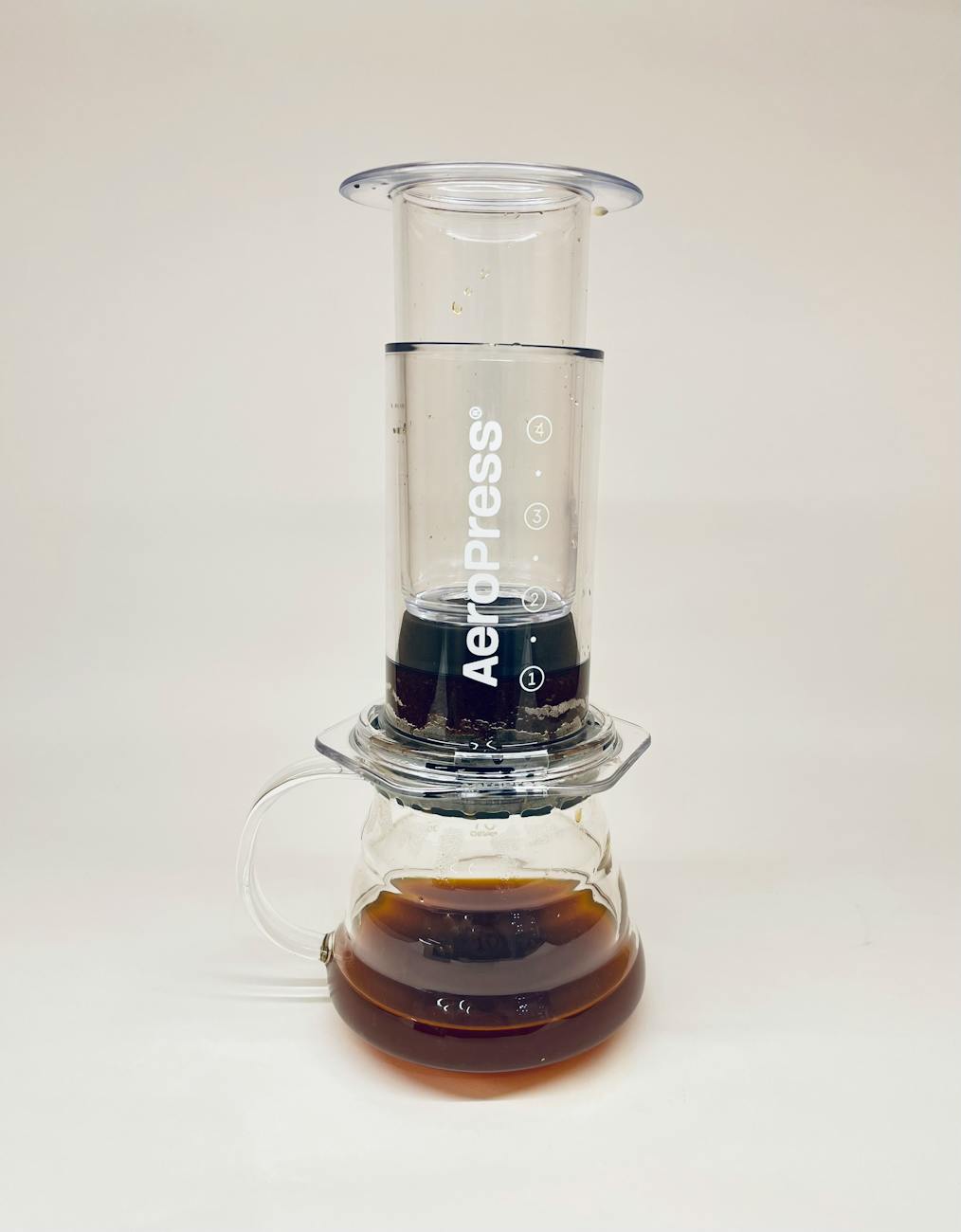
How to pre-heat an Aeropress for better thermal stability
The AeroPress is celebrated by coffee lovers worldwide for its simplicity, versatility, and ability to produce an outstanding cup of coffee with minimal fuss. It’s a brewer that invites experimentation, from grind size to brew time. However, one often-overlooked variable that can significantly impact the final taste in your cup is temperature stability. The plastic construction of the AeroPress, while durable and lightweight, can act as a heat sink, drawing precious degrees away from your brewing water. This can lead to under-extraction and a less consistent result. In this article, we will delve into the why and how of pre-heating your AeroPress, a simple step that can elevate your brew from good to great by ensuring thermal stability.
Why thermal stability matters in coffee brewing
To understand the importance of pre-heating, we first need to appreciate the role of temperature in coffee extraction. Water temperature is one of the most critical variables in brewing. It acts as the solvent that pulls all the soluble flavor compounds—the acids, sugars, and oils—out of the ground coffee. The ideal temperature range for most brewing methods, including the AeroPress, is typically between 90-96°C (195-205°F).
If the water is too cool, it won’t be energetic enough to extract the desirable sugars and complex flavor compounds, resulting in a coffee that can taste sour, weak, and underdeveloped. Conversely, if the water is too hot, it can over-extract, pulling out bitter and astringent compounds. The key to a delicious and repeatable brew is not just hitting the right temperature at the start, but maintaining a stable temperature throughout the brief brewing process. This is where thermal stability comes into play.
The impact of the Aeropress material on temperature
The AeroPress is made from a durable, food-safe, and BPA-free polypropylene. This material is fantastic for travel and durability, but it doesn’t retain heat as well as ceramic or stainless steel. When you pour your carefully heated 93°C water into a room-temperature AeroPress chamber (which might be around 21°C or 70°F), a process of thermal transfer immediately begins. The colder plastic of the chamber and plunger absorbs heat from the water, causing the overall temperature of your coffee and water slurry to drop instantly and significantly.
This initial temperature drop can be several degrees, immediately taking your brew water out of the optimal extraction zone. For a dark roast, this might be forgiving. But for a delicate, light-roast coffee, that loss of heat can be the difference between a cup bursting with bright, fruity notes and one that tastes disappointingly sour. Pre-heating addresses this problem head-on by warming the device before you begin brewing.
A simple guide to pre-heating your Aeropress
Fortunately, combating this heat loss is incredibly simple and adds less than a minute to your routine. The goal is to bring the plastic brewer closer to your target brew temperature, so it doesn’t steal heat from your slurry. Here’s how to do it for both standard and inverted methods.
For the standard method:
- Assemble your AeroPress with the plunger just inside the chamber and place it directly on your mug. This will also pre-heat your drinking vessel.
- Boil your kettle and pour a small amount of hot water (it doesn’t have to be your brewing water) into the chamber.
- Let it sit for 30-60 seconds while you prepare your coffee grounds or rinse your filter paper. You can give it a little swirl to ensure all surfaces are heated.
- Carefully discard the pre-heating water.
- You are now ready to add your coffee and brewing water to a pre-warmed chamber.
For the inverted method:
- Assemble the AeroPress in the inverted position on your counter.
- Pour some hot water into the chamber and let it sit.
- While it’s heating, you can place your paper filter into the filter cap and rinse it over the sink or a separate cup.
- Discard the pre-heating water from the chamber and proceed with your inverted recipe.
Does pre-heating always make a difference?
While pre-heating is a best practice, its noticeable impact can vary. It is most crucial when you are aiming for precision, especially with high-quality, light-roast single-origin coffees where subtle flavor notes are easily lost to under-extraction. It’s also more important if you brew in a particularly cold environment, like a chilly kitchen in the morning, where the temperature difference between your brewer and your water is greater.
The table below gives an approximate illustration of the effect of pre-heating on the water temperature in the brewing chamber (the slurry). As you can see, pre-heating significantly reduces the initial temperature drop, keeping your brew in a more optimal range.
| Condition | Starting Water Temp | Slurry Temp After 10 Sec | Approximate Temp Drop |
|---|---|---|---|
| Room-temp AeroPress | 93°C (200°F) | ~87°C (189°F) | ~6°C (11°F) |
| Pre-heated AeroPress | 93°C (200°F) | ~91°C (196°F) | ~2°C (4°F) |
If you primarily drink darker roasts or use very hot water to begin with (e.g., straight off the boil), you may find the difference to be less pronounced. However, for the small amount of effort it requires, pre-heating is a habit that introduces more control and consistency into your brewing, which is always a goal for any coffee enthusiast.
Conclusion
In conclusion, the temperature of your water is a cornerstone of good coffee extraction. While the AeroPress is a forgiving brewer, its plastic construction can cause a significant initial drop in brew temperature, potentially leading to an under-extracted and less flavorful cup. By incorporating the simple, quick step of pre-heating, you effectively mitigate this heat loss. This ensures your coffee slurry remains within the ideal extraction temperature range throughout the brew. The result is greater consistency, better control over your recipe, and an enhanced ability to unlock the delicate and complex flavors hidden within your coffee beans, particularly when working with lighter roasts. It is a small change to your routine that can make a world of difference to your daily coffee ritual.


 No products in the cart.