

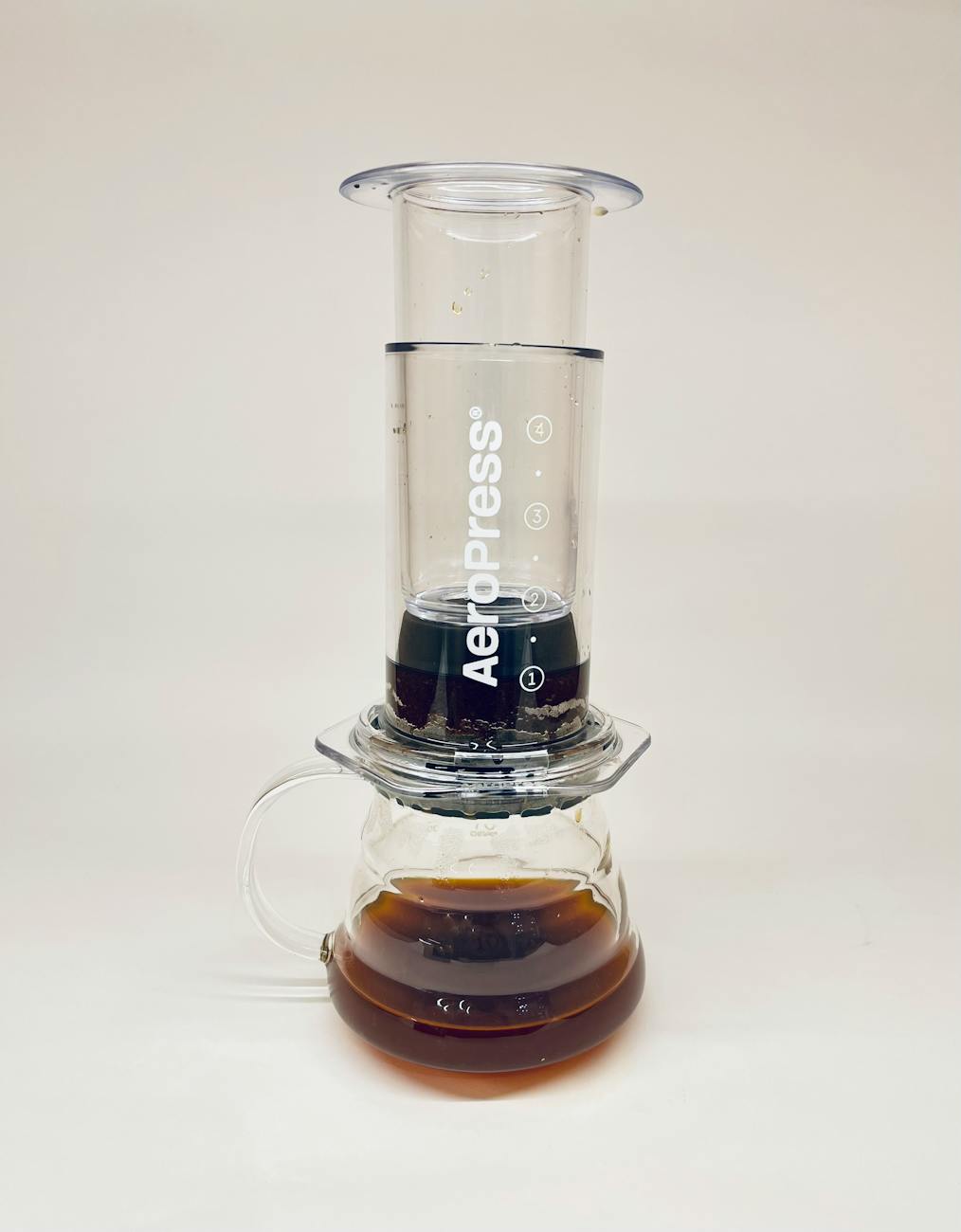
Aeropress filters: Paper vs cloth for your perfect brew
The AeroPress is celebrated by coffee lovers worldwide for its versatility, simplicity, and ability to produce an outstanding cup of coffee in minutes. Its unique brewing method offers a wide canvas for experimentation, allowing you to tweak variables like grind size, water temperature, and brew time. However, one of the most impactful yet often overlooked components is the filter. The choice between a traditional paper filter and a reusable cloth filter can dramatically alter the final taste, body, and overall experience of your coffee. This guide will explore the key differences between these two options, delving into their effects on flavor, daily maintenance, long-term cost, and environmental footprint to help you decide which filter best suits your brewing style.
The impact on taste and mouthfeel
The primary reason to choose one filter over another is the taste of the coffee it produces. Here, paper and cloth create two distinctly different profiles. A standard AeroPress paper filter is made of dense paper, which is excellent at trapping very fine coffee particles, known as fines, as well as most of the coffee’s natural oils. This process results in a cup that is exceptionally clean, crisp, and clear. The resulting brew has a lighter body and highlights the brighter, more delicate, and often acidic notes of the coffee bean. This makes paper filters a fantastic choice for single-origin light roasts where you want to taste the subtle nuances without any muddiness.
In contrast, a cloth filter is more porous. While it stops the larger coffee grounds, it allows more of the natural oils and some micro-fines to pass through into your cup. This has a profound effect on the final product. The coffee will have a noticeably fuller body, a richer, more velvety mouthfeel, and a more complex flavor profile. The presence of oils adds a layer of depth and texture that is closer to what you might expect from a French press, but without the grittiness. If you enjoy a robust, textured, and full-bodied cup of coffee, a cloth filter is likely to be your preferred option.
Daily use and the cleaning routine
Beyond taste, the practicalities of daily use and cleanup are a major deciding factor. This is where paper filters shine in their convenience. The process is straightforward: place a filter in the cap, brew your coffee, and when you’re done, the entire puck of grounds and the filter are ejected into your compost or trash bin with a single push. There is virtually no cleanup involved, making it perfect for a quick morning coffee, brewing at the office, or when traveling. This ease of use ensures a consistent and hassle-free experience every single time.
Cloth filters, on the other hand, require a dedicated maintenance routine. After brewing, you must immediately rinse the filter thoroughly with hot water to remove all coffee grounds and residual oils. If oils are left to sit, they can turn rancid and impart unpleasant flavors to future brews. For long-term care, many users recommend a weekly or bi-weekly deep clean, which involves boiling the filter for a few minutes to sanitize it and break down any stubborn oil buildup. Proper storage is also crucial; you can either let it dry completely or store it wet in a sealed container in the refrigerator to prevent it from developing mildew. This added step can be a dealbreaker for those who prioritize speed and convenience.
Cost and environmental considerations
When considering the long-term commitment to your AeroPress habit, cost and sustainability come into play. Paper filters have a very low upfront cost. A pack of 350 filters typically costs less than a bag of specialty coffee and can last a daily drinker almost a year. However, it is a recurring expense. Over the lifetime of your AeroPress, you will continue to buy new packs of filters, and this cost, while small, does add up over time. From an environmental perspective, paper filters are single-use products. Although they are typically made from biodegradable and compostable materials, they still contribute to a cycle of consumption and waste.
A cloth filter represents a different economic and environmental model. The initial investment is higher, often costing as much as a few packs of paper filters combined. But because it is reusable, it is a one-time purchase that can last for years with proper care, ultimately making it more economical in the long run. The most significant advantage of a cloth filter is its positive environmental impact. By choosing a reusable option, you drastically reduce your daily waste, making it a far more sustainable choice for the eco-conscious coffee enthusiast. It’s a small change that contributes to a less wasteful lifestyle.
Feature comparison at a glance
To make the choice clearer, here is a simple breakdown of the key differences between AeroPress paper and cloth filters.
| Feature | Paper filter | Cloth filter |
|---|---|---|
| Taste profile | Clean, crisp, highlights bright notes | Rich, complex, robust |
| Body and mouthfeel | Light-bodied, tea-like clarity | Full-bodied, velvety, oily |
| Cleanup | Effortless, disposable | Requires immediate rinsing and regular deep cleaning |
| Upfront cost | Very low | Moderate |
| Long-term cost | Recurring expense | One-time purchase |
| Environmental impact | Single-use, creates waste (but compostable) | Reusable, highly sustainable |
Conclusion: Which filter is right for you?
Ultimately, the choice between paper and cloth filters for your AeroPress is not about which one is definitively better, but which one is better for you. Your decision hinges on what you value most in your coffee experience. If your priority is a flawlessly clean cup that lets the delicate, bright notes of a coffee shine through, and you appreciate the ultimate convenience of a brew-and-toss cleanup, then the classic paper filter is your ideal companion. It delivers consistency and simplicity without compromise.
However, if you crave a coffee with a richer body, a more complex flavor profile, and a luscious mouthfeel, and you don’t mind incorporating a quick cleaning routine into your brewing process, then a cloth filter is a fantastic investment. It not only enhances the texture of your coffee but also aligns with a more sustainable, low-waste lifestyle. The best approach is to try both. Given the low cost of entry for each, experimenting will allow you to discover firsthand which filter helps you brew your perfect cup of AeroPress coffee.



 No products in the cart.