

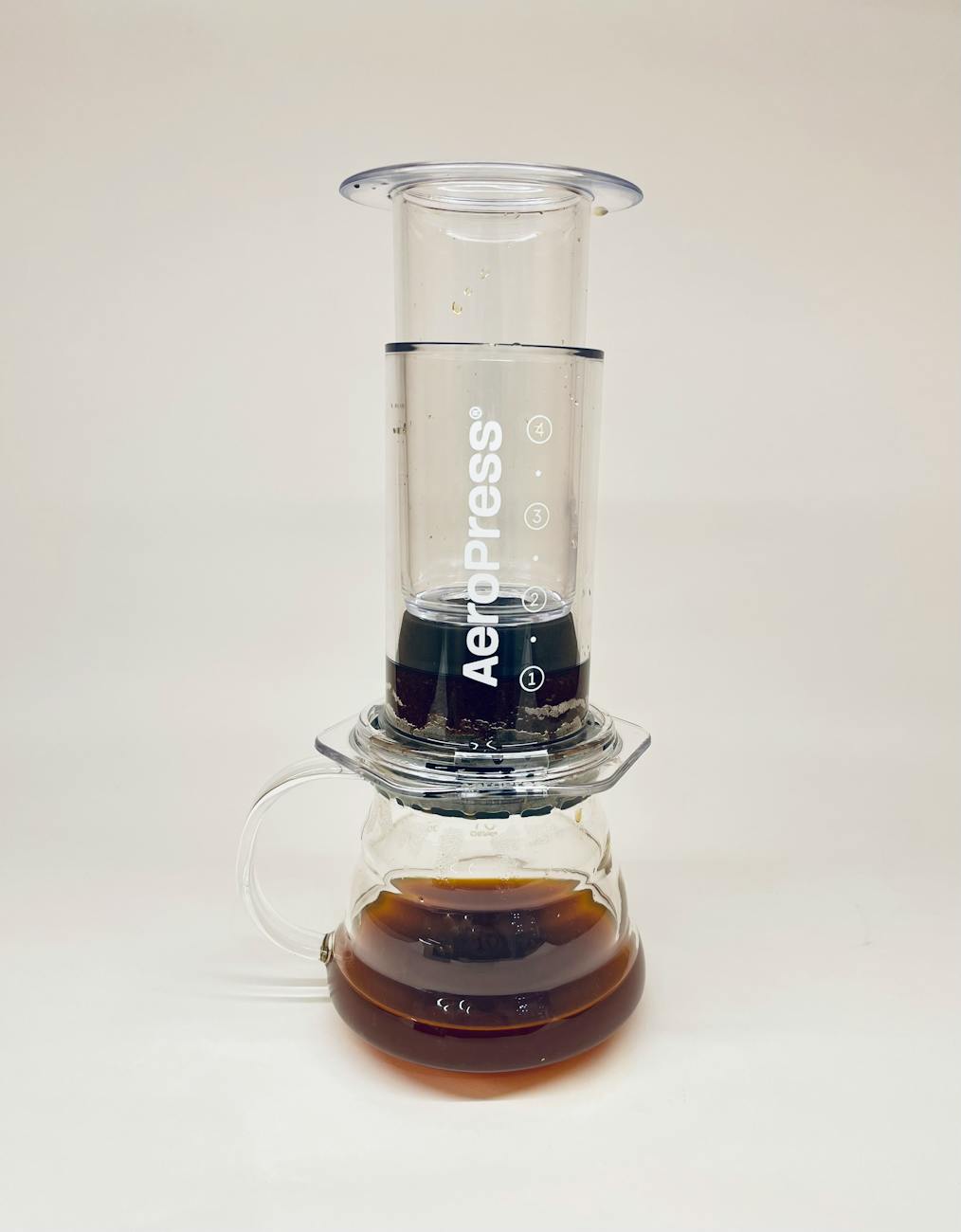
The AeroPress stands as a champion of versatility in the world of coffee brewing. It can produce everything from a clean, tea-like cup to a robust, full-bodied brew. One of its most celebrated capabilities is its power to create a short, strong coffee concentrate that beautifully mimics the texture and intensity of traditional espresso. This makes it an incredible tool for crafting lattes, cappuccinos, or Americanos without a costly machine. However, achieving this rich, syrupy shot is not a matter of chance; it’s a science. The single most critical variable you need to master is the coffee grind size. This guide will walk you through the process of dialing in the perfect grind for your AeroPress espresso concentrates, turning frustratingly sour or bitter shots into delicious, balanced coffee.
Understanding the goal: Espresso concentrate vs. true espresso
Before we touch our grinders, it’s vital to clarify what we’re aiming for. An AeroPress “espresso” is technically a concentrated coffee, not a true espresso. True espresso is created by forcing hot water through a finely ground, compacted puck of coffee at around 9 bars of pressure. The AeroPress, relying on human-powered plunging, generates significantly less pressure. Consequently, we can’t just copy a standard espresso recipe and expect the same results.
To compensate for the lower pressure, we must optimize other variables, primarily the grind size. A finer grind increases the total surface area of the coffee grounds that comes into contact with the water. This allows for a much faster and more efficient extraction of coffee solids, oils, and flavors—exactly what we need for a short, concentrated brew. Using a medium grind suitable for a standard AeroPress brew would result in a weak, watery, and under-extracted shot in the short time frame required for a concentrate.
Finding your starting point
Dialing in is a process of making small, incremental adjustments. To do this effectively, you need a solid starting point. For an AeroPress concentrate, you should aim for a grind that is significantly finer than what you would use for drip coffee but often a touch coarser than a traditional espresso setting.
- Visual and tactile cue: A good starting point is a consistency similar to fine table salt or very fine sand. It should feel gritty between your fingers, but not as powdery as flour or a true espresso grind.
- The right tool for the job: A quality burr grinder is non-negotiable for this task. Blade grinders produce an inconsistent mix of boulders and dust, making it impossible to achieve a balanced extraction. A consistent grind size is the foundation of a repeatable, delicious shot.
Once you have your grinder, begin with a baseline recipe. This allows you to isolate the grind size as your primary variable. A great starting recipe is:
- Method: Inverted (AeroPress placed upside down)
- Dose: 18-20 grams of finely ground coffee
- Water: 50-60 grams of water just off the boil (around 93°C or 200°F)
- Brew time: Start a timer, add all the water quickly, stir vigorously for 10 seconds, and then press firmly and consistently for 20-30 seconds.
Now, with your first shot brewed, you’re ready to taste and adjust.
Dialing in by taste: The language of extraction
Taste is your ultimate guide. The flavors in your coffee shot will tell you exactly what you need to do next. The two main culprits of a bad shot are under-extraction and over-extraction.
Under-extraction: This happens when the water passes through the coffee too quickly, failing to extract enough of the desirable flavor compounds. The solution is simple: grind finer. A finer grind will slow down the flow of water and increase surface area, leading to a more complete extraction.
Signs of under-extraction include:
- A predominantly sour or acidic taste (think unripe fruit)
- A salty flavor
- A thin, watery body or mouthfeel
- A very quick, unsatisfying finish
Over-extraction: This is the opposite problem. The water spends too much time in contact with the coffee, pulling out unwanted, bitter compounds. To fix this, you need to grind coarser. A slightly coarser grind will allow the water to pass through more easily, reducing the overall extraction.
Signs of over-extraction include:
- An overwhelmingly bitter, harsh, or burnt taste
- An astringent sensation that dries out your mouth
- A lack of sweetness or nuance; the flavors are muddled
Your goal is the sweet spot right in the middle: a balanced extraction. This shot will have a pleasant sweetness, a rich body, a clear expression of the coffee’s flavor notes (be it chocolate, fruit, or nuts), and no overpowering sourness or bitterness.
Here is a simple table to guide your adjustments:
| Dominant Taste/Sensation | Problem | Grind Adjustment |
|---|---|---|
| Sour, acidic, salty, thin body | Under-extraction | Grind Finer (one small step at a time) |
| Bitter, harsh, astringent, drying | Over-extraction | Grind Coarser (one small step at a time) |
| Sweet, rich, balanced, pleasant aftertaste | Balanced Extraction | Lock it in! You’ve found your grind. |
Fine-tuning beyond the grind
Once your grind size is very close to perfect, you can make micro-adjustments using other variables. If you find yourself stuck between two grind settings, where one is slightly sour and the next is slightly bitter, try manipulating your technique instead of the grind.
- Water Temperature: Using slightly hotter water can increase extraction, potentially fixing a shot that is a touch sour. Conversely, lowering your water temperature can help tame any harsh bitterness from a borderline over-extracted shot.
- Press time: The speed of your plunge matters. A slower, 30-second press will increase contact time and extraction. A faster, 20-second press will decrease it. Ensure your pressure is consistent to avoid channeling, where water creates a path of least resistance through the coffee puck, leading to uneven extraction.
Remember to only change one variable at a time. If you change the grind size and the water temperature simultaneously, you won’t know which adjustment was responsible for the change in taste. The process is methodical: grind, brew, taste, adjust, and repeat.
Mastering the AeroPress espresso concentrate is a rewarding journey that puts you in complete control of your coffee. It all begins with the grind. By understanding that you’re creating a concentrate, not a true espresso, you can set realistic expectations and adjust your technique accordingly. Start with a baseline grind that resembles fine table salt, use a consistent recipe, and let your palate be your guide. Use the principles of extraction—sourness means you need to grind finer, and bitterness means you need to grind coarser—to make informed adjustments. Don’t be afraid to experiment. Each coffee bean is different and may require a slightly different setting. With a little practice and mindful tasting, you’ll move beyond guesswork and begin confidently dialing in the perfect grind for a rich, delicious, and satisfying concentrate every single time.
 No products in the cart.