

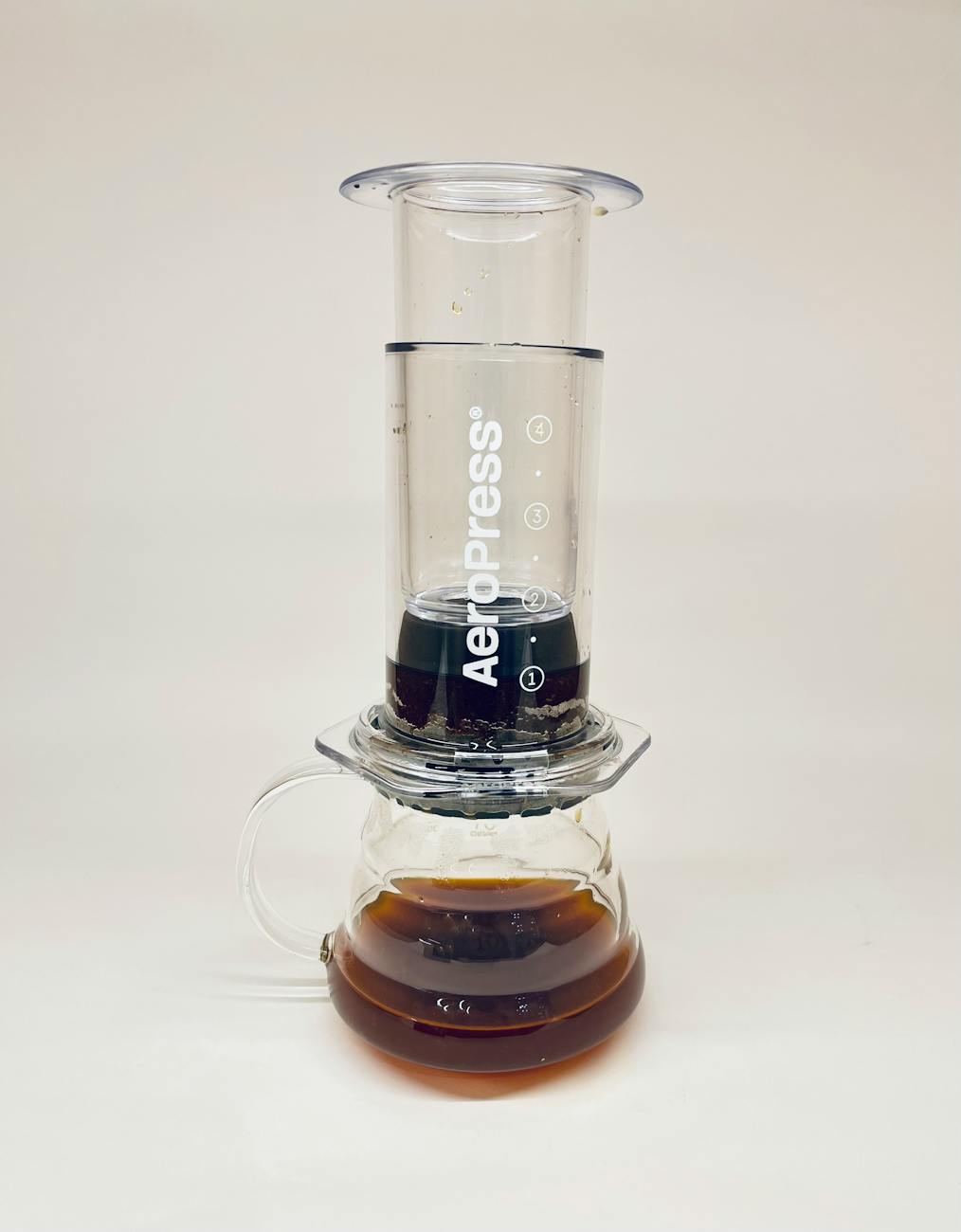
Why your Aeropress coffee tastes sour and how to fix it
The AeroPress is celebrated for its versatility and ability to produce a fantastic cup of coffee with remarkable speed. However, it can be incredibly frustrating when you press down that plunger, anticipate a rich and balanced brew, and are met with a sharp, sour taste instead. That puckering, unpleasant flavor can make you question your beans, your grinder, and your entire coffee-making ritual. The good news is that this is a very common problem with a straightforward solution. Sour coffee is almost always a sign of one thing: under-extraction. In this guide, we’ll break down exactly what that means and walk you through the simple adjustments you can make to your technique to brew a perfectly balanced and delicious AeroPress coffee every single time.
Understanding the enemy: Sourness vs acidity
Before we start adjusting your brew, it’s crucial to understand the difference between sourness and acidity. While they might sound similar, in the coffee world, they are worlds apart. Acidity, often described as brightness, is a desirable characteristic in many high-quality coffees. Think of the pleasant, crisp tang of a green apple or the juicy sweetness of a citrus fruit. This brightness adds complexity and vibrancy to the cup, especially in lighter roasts from regions like Ethiopia or Kenya. It’s a flavor note that coffee professionals seek out.
Sourness, on the other hand, is a taste defect. It’s the aggressive, undeveloped, and often salty flavor that makes you wince. This is the taste of under-extracted coffee. Extraction is the process of dissolving coffee solubles from the grounds into water. A well-balanced extraction pulls out the acids first, then the sugars, and finally the bitter compounds. When your brew is sour, it means you’ve stopped the process too early, pulling out all the acids but not giving the water enough time or energy to extract the sweet sugars that provide balance.
The core variables: Grind, temperature, and time
The key to eliminating sourness lies in increasing extraction. You can achieve this by manipulating three primary variables in your brewing process. Think of these as the main dials you can turn to perfect your recipe.
Grind size
This is the most common culprit behind a sour AeroPress. If your coffee grounds are too coarse, water will flow through them too quickly. This short contact time prevents the water from properly dissolving the coffee’s delicious compounds. The result is a cup dominated by the first things to extract: acids. For an AeroPress, you should aim for a grind size that is finer than you’d use for drip coffee, but not as fine as espresso. A texture similar to table salt is a great starting point. If your coffee is sour, the first and most effective change you can make is to grind your coffee a little finer. This increases the surface area of the coffee, allowing for a more efficient and complete extraction.
Water temperature
Water is the solvent in this process, and its temperature is a measure of its energy. Using water that is too cool is like trying to dissolve sugar in iced tea; it’s slow and inefficient. Colder water lacks the energy to extract the complex sugars and oils that balance the natural acids in coffee. While the AeroPress inventor suggests lower temperatures, most specialty coffee professionals recommend a temperature range between 90-96°C (195-205°F). If you don’t have a variable temperature kettle, simply let a boiling kettle sit for about 30-60 seconds before you pour. Using hotter water will significantly boost extraction and help you get past that sour stage into a sweeter brew.
Brew time
Brew time, or contact time, is how long your coffee grounds are interacting with the water. A brew that is too short won’t give the water a chance to do its job. With the AeroPress, this includes both the steeping time before you plunge and the duration of the plunge itself. A typical AeroPress recipe might call for a total brew time of 1 to 2 minutes. If your cup is sour, try increasing the total brew time. You can do this by simply letting the coffee steep for an extra 30 seconds before you stir or plunge. This gives the water more opportunity to extract those all-important sugars.
Fine-tuning your recipe and technique
Once you have a handle on the “big three,” you can further refine your brew by looking at your coffee-to-water ratio and overall technique. These elements work in tandem with grind, temperature, and time to influence the final taste in your cup.
Your coffee-to-water ratio is fundamental. If you use too much water for the amount of coffee, you can end up with a weak, thin, and sometimes sour brew. A great starting point for the AeroPress is a ratio between 1:15 and 1:17. This means for every 1 gram of coffee, you use 15 to 17 grams (or ml) of water. For example, a common recipe is 15g of coffee to 250g of water. If you’ve tried adjusting the other variables and still get sourness, check your ratio. You may need to use a little more coffee or a little less water to achieve a proper extraction level.
Finally, your physical technique matters. Agitation, or stirring the coffee slurry, increases extraction by ensuring all the grounds are saturated and by creating turbulence. Most recipes call for a brief stir after adding the water. If your coffee is sour, try stirring a little more vigorously or for a few seconds longer. This small change can make a surprising difference.
Troubleshooting sour AeroPress coffee
Here is a simple table to help you diagnose and fix your sour coffee based on the principles we’ve discussed. Remember to change only one variable at a time to see how it affects the taste.
| Problem | Primary Cause | Solution | How it Works |
|---|---|---|---|
| Coffee tastes sharp, lemony, and sour. | Grind is too coarse. | Grind your coffee finer. | Increases surface area, allowing water to extract more from the coffee. |
| Coffee is sour and lacks sweetness. | Water is too cold. | Use hotter water (90-96°C or 195-205°F). | Provides more thermal energy to dissolve sugars and balance acidity. |
| Coffee tastes undeveloped and “thin.” | Brew time is too short. | Increase your steep time by 30-60 seconds. | Gives water more contact time to extract flavor compounds. |
| The brew is weak and sour. | Coffee-to-water ratio is off. | Use more coffee or less water (aim for 1:15-1:17). | Ensures there’s enough coffee material for a balanced extraction. |
Conclusion: Your path to a better brew
Brewing coffee is a balancing act, and sourness is simply the scale tipping too far in one direction. By understanding that sour coffee is under-extracted coffee, you hold the key to fixing it. You don’t need new beans or expensive new equipment; you just need to adjust your technique. Start by grinding your coffee finer, as this often has the most significant impact. If that doesn’t completely solve it, increase your water temperature or extend your brew time. By methodically adjusting these core variables—grind, temperature, time, and ratio—you are taking direct control over extraction. A little experimentation will transform that unpleasant sourness into a well-rounded, sweet, and complex cup that showcases the best of what your AeroPress and your coffee beans have to offer.

 No products in the cart.