

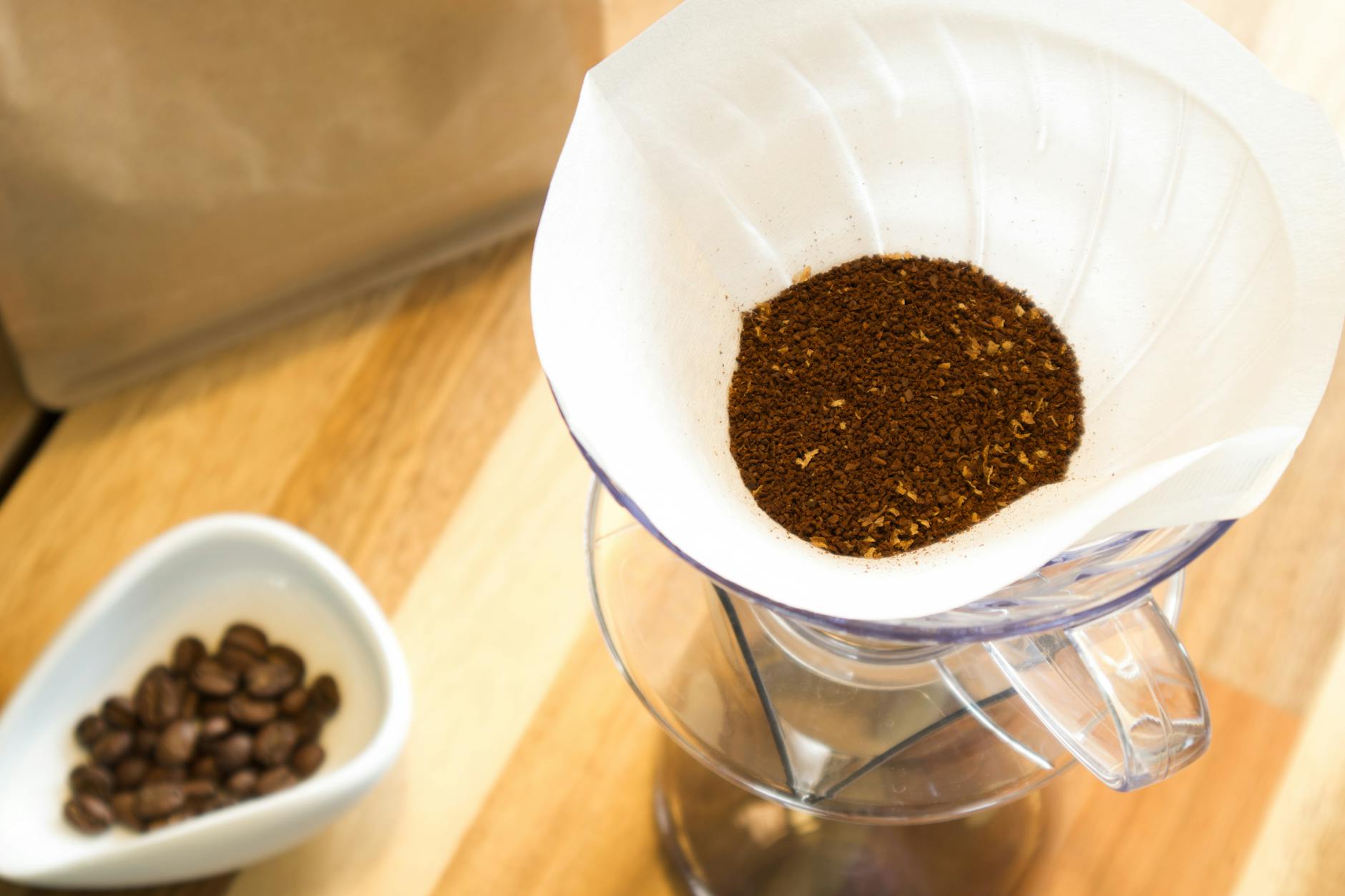
The secret to a cleaner cup: The role of oxygen-bleached filter paper in Moccamaster brew clarity
The Technivorm Moccamaster has earned its legendary status among coffee aficionados for one primary reason: its ability to consistently produce an exceptionally clean, vibrant, and flavorful cup of coffee. While much of the credit goes to its precise temperature control and unique brew cycle, a crucial, often-overlooked component plays a starring role: the filter paper. Specifically, the oxygen-bleached filter paper recommended by Technivorm is fundamental to achieving the signature Moccamaster brew clarity. This article will explore why this particular type of filter is not just a suggestion but an integral part of the brewing system, directly impacting the final taste and texture in your cup. We will delve into what brew clarity is, compare different filter types, and reveal how this simple paper disc works in perfect harmony with the machine’s engineering.
What is brew clarity and why does it matter?
In the coffee world, clarity refers to how clean and distinct the flavors are in the final cup. A brew with high clarity allows you to taste the nuanced notes of the coffee bean itself, whether they are fruity, floral, nutty, or chocolaty. It is the opposite of a “muddy” or “muddled” brew, which often has a single, flat taste profile where delicate flavors are masked. This clarity is directly linked to the physical purity of the coffee liquid. It means the brew is free from excessive sediment (also known as “fines”) and has a well-managed level of coffee oils. While some oils are desirable for body and aroma, too many can create a heavy, sometimes greasy mouthfeel. By effectively filtering out fine particles and excess oils, the filter paper creates a clean canvas, allowing the coffee’s true origin character to shine through without the bitterness and astringency that sediment can introduce.
The paper filter as a gatekeeper of flavor
Every coffee filter acts as a gatekeeper, its primary job being to separate the solid coffee grounds from the water that has extracted their soluble flavors. However, not all gatekeepers are created equal. The material and structure of the filter determine exactly what it lets through and what it holds back. A coarse metal filter, for example, allows a significant amount of oils and fine particles into the carafe, resulting in a brew with a heavy body but very little clarity. Paper filters, on the other hand, are designed for a much finer level of filtration.
The porosity, or the size of the tiny holes in the paper, is meticulously engineered. If the pores are too large, sediment will pass through. If they are too small, the water flow can be restricted, leading to a “stalled” brew and over-extraction, which creates bitterness. The Moccamaster filter paper is designed to strike the perfect balance, trapping the undesirable elements while allowing the water and all the dissolved aromatic compounds to pass through at the ideal rate for the machine’s brewing cycle. This leads us to the critical distinction between different types of paper filters.
The chemistry of clean: Oxygen-bleached vs. other filters
The material composition of the paper filter has the biggest impact on the final taste, and this is where the choice of oxygen-bleached paper becomes paramount. Consumers are typically faced with three options: traditional chlorine-bleached, unbleached (brown), and oxygen-bleached (white).
- Chlorine-bleached: This older method uses elemental chlorine to whiten the paper pulp. While effective, it has fallen out of favor due to environmental concerns and the potential for it to leave behind a distinct chemical or papery taste in the coffee.
- Unbleached: Often seen as a more “natural” option, these brown filters can unfortunately interfere with the coffee’s flavor. They contain more of the wood pulp’s natural lignin, which can impart a noticeable woody or cardboard-like taste to the brew, obscuring the delicate notes of a high-quality single-origin coffee.
- Oxygen-bleached: This is the modern, environmentally friendlier standard for premium coffee filters. The paper pulp is whitened using oxygen, ozone, or hydrogen peroxide. This process is highly effective at removing lignin and other impurities without introducing any flavor of its own. The result is a completely taste-neutral filter that ensures the only thing you taste is your coffee. It provides superior filtration and structural integrity without compromising the flavor.
Here is a simple breakdown of how these filters compare:
| Filter Type | Taste Impact | Filtration Performance | Environmental Note |
|---|---|---|---|
| Unbleached (Brown) | High potential for papery/woody taste | Can be inconsistent; may have slower flow rate | No bleach used, but requires more rinsing to reduce paper taste |
| Chlorine-bleached | Moderate risk of chemical/paper taste | Good and consistent | Process creates dioxins, which are harmful pollutants |
| Oxygen-bleached | Taste-neutral; no impact on coffee flavor | Excellent and consistent; ideal flow rate | Elemental Chlorine Free (ECF) or Totally Chlorine Free (TCF) process |
Engineered harmony: Why Moccamaster and its filters are a system
The relationship between a Moccamaster brewer and its recommended filter paper is not a coincidence; it’s a carefully engineered synergy. Technivorm designed its brewers with every variable in mind. The precise water temperature (92°-96°C) and the 9-hole spray arm are calibrated to work with the specific thickness and porosity of their oxygen-bleached filters. This combination ensures a uniform saturation of the coffee grounds and an optimal water contact time of around four to six minutes. Using a lower-quality, unbleached filter with a different density can disrupt this entire system. It might slow the flow of water, extending the brew time and causing over-extraction. Conversely, a flimsy filter might allow water to pass through too quickly or even tear, leading to a weak, under-extracted brew filled with grounds. By using the Technivorm-approved filters, you are ensuring the brewer performs exactly as its designers intended, guaranteeing a perfectly balanced and exceptionally clear cup every single time.
The path to a perfect cup of Moccamaster coffee is paved with precision, and the choice of filter paper is a non-negotiable step on that path. As we have seen, brew clarity is essential for unlocking the complex and delicate flavors of specialty coffee, and this clarity is achieved by effective filtration. Oxygen-bleached paper stands out as the superior choice because it is completely taste-neutral, preventing any papery or chemical taints from ruining your brew. It offers the ideal porosity and strength to work in perfect harmony with the Moccamaster’s specific brewing parameters, trapping unwanted sediment and oils while ensuring a proper extraction rate. Ultimately, investing in a premium brewer like the Moccamaster means valuing every detail. Using the right filter is a small, simple step that protects that investment and guarantees a consistently clean, vibrant, and delicious result in your cup.



 No products in the cart.